Signs You Could Be Missing About Gut Health
Sophia Clarke September 29, 2025
Gut health plays a hidden yet powerful role in daily wellness, impacting everything from digestion to mood. This guide explores surprising signs, how digestive balance works, and gentle lifestyle tips many people overlook when it comes to maintaining a healthy gut microbiome.
Understanding the Basics of Gut Health
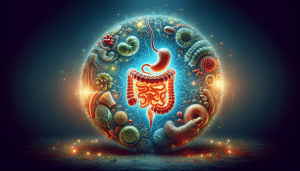
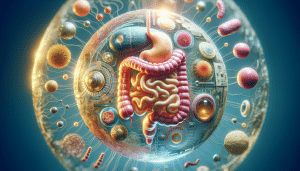
Gut health is more than just avoiding an upset stomach. The digestive tract is the body’s central hub for nutrient absorption, immune strength, and even the production of mood-regulating hormones. Millions of friendly bacteria, known collectively as the microbiome, live in your gastrointestinal system, helping to break down food and keep harmful invaders at bay. Maintaining a balanced microbiome supports healthy digestion, energy levels, and even mental clarity. When the balance tips, various subtle symptoms can appear before more obvious digestive problems emerge.
Many individuals don’t realize that gut health communicates with the whole body. For example, shifts in the gut flora can affect immune system activity and inflammation throughout different organs. A well-supported microbiome helps reduce the chances of digestive discomfort, irregular bowel habits, and other issues. Besides food choices, factors like stress, antibiotics, and sleep patterns play key roles in determining how well the gut operates. Learning to recognize these influences is helpful for anyone seeking overall wellness and resilience against illness.
When starting to pay attention to gut health, it’s common to focus only on diet. However, daily movement, staying hydrated, and careful management of medication also support the gut lining and the diverse colony of microbes inside it. Everyone’s microbiota is unique—there isn’t one solution that fits all lifestyles. That’s why tuning in to early signs, such as fatigue or skin changes, can make a big difference in maintaining digestive stability and broader health.
Surprising Signs Linked to Gut Imbalances
Unexpected symptoms may be linked to gut health, well before any stomach ache occurs. For example, recurring headaches or difficulty concentrating have been tied to changes in gut bacterial colonies. Research shows that the brain and gut share a strong two-way communication through the gut-brain axis. This means changes in gut bacteria can impact focus and mood, sometimes resulting in feelings of brain fog or irritability even when digestion seems normal on the surface.
Skin health, too, can offer clues about what’s happening inside the digestive tract. Conditions such as eczema, frequent breakouts, or unexplainable rashes may sometimes reflect subtle gut issues or inflammation related to gut microbiome imbalance. Some studies connect skin flare-ups to increased gut permeability, also known as “leaky gut,” where the gut lining lets unwanted particles pass through. Observing these signs can encourage more holistic approaches to both skin care and digestive well-being.
Another often-missed indicator of gut health challenges is fluctuating energy levels. People sometimes blame diet or lack of sleep when they feel tired, but inefficient digestion caused by imbalanced microbes might be at play. The gut helps convert food into energy and is involved in synthesizing certain B vitamins. When absorption is hindered, people may notice mid-day energy slumps, even if meals are regular and seem healthy. Tracking these clues helps build a more complete picture of overall wellness.
How Your Daily Habits Impact Digestive Wellness
Day-to-day choices contribute significantly to gut health beyond just what’s on a plate. High stress can disrupt the gut-brain axis, leading to less variety in gut bacteria. Studies have found that people with chronic stress may develop symptoms such as constipation, bloating, or irregularity, as stress hormones signal the gut to slow down or speed up. Mindfulness techniques and relaxation are helpful not only for emotional health, but also for restoring a more balanced digestion.
Another powerful daily influence is hydration. Water supports the movement of food and waste throughout the digestive tract, especially in the colon, where fluids determine how easily materials pass. Insufficient hydration can lead to constipation, and over time, impact the composition of bacteria in the large intestine. Alongside water, gentle movement—such as walking or yoga—stimulates the muscles lining the gut, encouraging regularity and providing welcome relief for sluggish systems.
Sleep plays a crucial role in supporting gut flora and digestive rhythm. During rest, the body’s repair processes are activated, including those that strengthen the gut lining and encourage beneficial microbial activity. Inadequate or disrupted sleep can influence hunger hormones and how the body processes food, which may, in turn, set the stage for bloating or discomfort. Attention to quality rest can be a simple first step for many people seeking to balance their gut.
Dietary Choices That Support Diverse Gut Bacteria
Eating a wide variety of fiber-rich whole foods is key to nurturing healthy gut bacteria. Prebiotic fibers, found in foods such as onions, garlic, leeks, asparagus, and bananas, provide fuel for the beneficial microbes thriving in the digestive system. These foods encourage a diverse and robust microbial population, promoting smoother digestion and reducing the risk of inflammation-related problems. When the diet relies mostly on processed foods, the microbiome can lose important diversity and resilience.
Fermented foods offer another gentle, natural way to boost beneficial gut bacteria. Yogurt, kefir, kimchi, sauerkraut, and miso all contain live cultures that help replenish and balance the microbiome. Adding these foods in small, consistent amounts can gradually restore healthy bacteria, especially after antibiotic use or bouts of digestive upset. Those with lactose sensitivity, however, can focus on plant-based ferments or supplements verified by healthcare professionals.
What people drink also matters. While water is excellent for digestion, excessive intake of sweetened beverages or alcohol can disturb gut flora and impair the gut barrier. Small changes, like substituting sugary sodas for mineral water or drinking herbal teas, contribute meaningfully to microbiome health. It’s equally important to consult nutrition professionals before making dramatic dietary shifts, as the gut adapts gradually and sometimes responds best to slow, steady adjustments.
Recognizing When to Seek Professional Advice
Occasional digestive discomfort is common, but persistent symptoms deserve further attention. Signs such as frequent abdominal pain, unintentional weight loss, or severe changes in stool color can be early indicators of gut inflammation or illness. Identifying these warnings and discussing them with a healthcare provider is vital for early intervention. Doctors use a range of non-invasive screening tools—like stool tests or breath analysis—to pinpoint gut imbalances or rule out other causes.
Some people experience food sensitivities, bloating, or reactions to common ingredients like gluten, dairy, or high-fiber foods. These reactions may signal conditions such as irritable bowel syndrome (IBS), small intestinal bacterial overgrowth (SIBO), or even celiac disease. While self-monitoring symptoms is helpful, professionals offer targeted support, including safe dietary trials or structured elimination diets. Balancing gut health involves learning from both everyday experiences and scientific insight.
It’s especially important to consult an expert before starting supplements for gut health, including probiotics or herbal remedies. Not every supplement is appropriate for every person, and quality control varies widely. Registered dietitians or gastroenterology specialists can individualize recommendations based on age, medical history, and current needs. Personalized care ensures the best chance of restoring digestive balance—and often provides peace of mind for people navigating persistent symptoms.
Gentle Lifestyle Adjustments for Long-Term Gut Support
Long-term gut wellness is built on gentle, consistent habits rather than quick fixes. Daily walks, regular stretching, and simple breathing exercises combine physical movement with relaxation, both encouraging a healthy gut environment. Incorporating fiber-rich produce, whole grains, and lean proteins allows for balanced meals that support digestion without overwhelming the system. Making these changes gradually can help the gut microbiome adjust naturally and sustainably over time.
Another effective approach is practicing mindful eating. Taking time to chew food thoroughly, eat without distractions, and listen to hunger or fullness cues promotes a deeper connection with how the body feels during meals. This not only enhances digestive comfort and satisfaction but also makes it easier to identify foods that consistently trigger discomfort or bloat. Tracking meals with a journal can reveal patterns and support ongoing adjustments.
Staying informed is crucial—ongoing research continually uncovers new links between gut health and areas like mental wellness, immune function, and even chronic disease prevention. Reliable sources such as government health agencies, nutrition organizations, and scientific journals offer practical advice for everyday life. Exploring fresh evidence while respecting what feels right in the body helps individuals create a lifestyle that nurtures both gut and overall health in the long run.
References
1. National Institutes of Health. (n.d.). Your Digestive System & How it Works. Retrieved from https://www.niddk.nih.gov/health-information/digestive-diseases/digestive-system-how-it-works
2. Harvard T.H. Chan School of Public Health. (n.d.). The Microbiome. Retrieved from https://www.hsph.harvard.edu/nutritionsource/microbiome/
3. National Center for Complementary and Integrative Health. (n.d.). Probiotics: What You Need To Know. Retrieved from https://www.nccih.nih.gov/health/probiotics-what-you-need-to-know
4. Johns Hopkins Medicine. (n.d.). The Brain-Gut Connection. Retrieved from https://www.hopkinsmedicine.org/health/conditions-and-diseases/the-brain-gut-connection
5. American Gastroenterological Association. (n.d.). Common GI Symptoms. Retrieved from https://gastro.org/practice-guidance/gi-patient-center/topic/common-gi-symptoms/
6. World Gastroenterology Organisation. (n.d.). Diet, Nutrition and the Gut. Retrieved from https://www.worldgastroenterology.org/publications/press-releases/wgo-pr-diet-nutrition-and-the-gut

 Surprising Ways Gut Health Impacts How You Feel