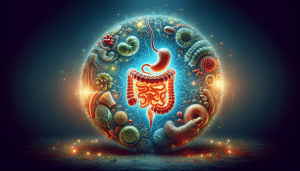
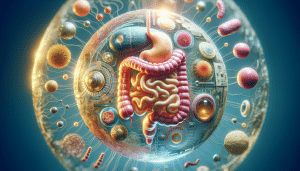
Surprising Ways Gut Health Impacts How You Feel
Sophia Clarke September 29, 2025
Discover how your gut health silently shapes mood, immunity, and daily well-being. This guide explores the intricate gut-mind connection, revealing how diet, lifestyle, and science-backed habits support both digestive wellness and mental vitality.
The Hidden Link Between Gut Health and Overall Wellness
The phrase “gut health” often brings to mind digestion and comfort after meals, but its influence runs much deeper. Scientific research now draws connections between the gut and overall wellness, highlighting how trillions of microbes within your digestive tract quietly affect everything from mood to immunity. Imbalances in this microbiome have been associated with fatigue, trouble focusing, and even skin issues. Unpacking these findings reveals how prioritizing digestive wellness can unlock a more vibrant daily experience.
Various factors shape gut health, including daily diet, stress levels, sleep, and use of antibiotics. When the microbiome thrives, it supports healthy metabolism and nutrient absorption. Some studies also showcase the gut’s role as a signal center, communicating with organs and even the brain via complex chemical messengers. This intricate relationship means that your digestive system does more than process food—it acts as a central switchboard influencing broader well-being.
Perhaps most surprising is how gut imbalances often go unnoticed until subtle symptoms appear. Persistent bloating, irregular appetite, or new sensitivities could hint at gut disruption. Recognizing these early signs may allow for positive changes before larger issues develop. Exploring the nuances behind gut health can help people take simple, science-backed steps to enhance both their physical and mental quality of life (Source: https://www.hsph.harvard.edu/nutritionsource/microbiome/).
How Gut Microbes Shape Mood and Mental Wellness
There’s a growing buzz around the gut-brain axis—the direct communication network linking the digestive system to mental states. This pathway relies heavily on gut microbes, which help produce neurotransmitters like serotonin and dopamine. In fact, a major portion of the body’s serotonin originates in the gut, not the brain. Research suggests that when gut flora flourishes, people often feel more balanced, experience less anxiety, and maintain a steadier emotional outlook.
Stress, processed foods, and inadequate sleep can disrupt the harmony of the gut microbiome, sometimes triggering mood swings or low energy. Conversely, a diverse diet rich in fiber, fermented foods, and prebiotics encourages beneficial bacteria to thrive. Some experts recommend keeping a food diary to spot patterns, pinpointing which meals bring clarity or calm and which ones might be linked to irritability or sluggishness. The intimate link between gut health and mental wellness continues to be an active area of study, offering hope for new lifestyle strategies (Source: https://www.apa.org/monitor/2012/09/gut-feeling).
Digestive balance may also support sharper thinking and better sleep. Reports of improved focus and motivation often follow the adoption of gut-supporting routines such as prioritizing whole foods and mindful eating. Growing evidence positions gut care as an essential element of both emotional and cognitive self-care, shifting how many approach stress management and mental health support in their routines.
Nutritional Habits for a Thriving Microbiome
Feeding your gut means fueling the beneficial bacteria within it. Diets abundant in fiber-rich fruits, diverse vegetables, and whole grains can nurture a robust and varied microbiome. Legumes, leafy greens, and berries all act as food sources for friendly microbes, producing compounds the body uses for protection and repair. Incorporating these elements into daily meals can have ripple effects, supporting both digestive comfort and whole-body vitality.
Fermented favorites like plain yogurt, kefir, kimchi, sauerkraut, and miso introduce live probiotic cultures. These naturally occurring bacteria help restore balance, especially after periods of stress or antibiotic use. Experts advise rotating the types of fermented foods consumed to encourage diversity among resident gut microbes, a key factor in overall resilience and disease prevention. Alignment with these evidence-based habits can help ward off digestive discomfort and reduce the risk of chronic inflammation.
Equally important is reducing the intake of ultra-processed foods, artificial sweeteners, and excessive sugar which can disrupt beneficial populations and fuel harmful strains. When making pantry swaps, look for fiber content on food labels and experiment with new produce on shopping trips. Over time, these gradual dietary shifts can strengthen the body’s inner ecosystem—building a foundation for lasting health and comfort (Source: https://www.cdc.gov/foodsafety/communication/yogurt.html).
Lifestyle Factors That Influence Gut Health
It’s not just what is eaten that matters. Regular movement, stress management, and sleep quality all leave a mark on the microbiome. Physical activity helps balance inflammation and may activate gut fermentation, offering supportive conditions for thriving bacteria. Even gentle daily walks or stretching routines can add up, gradually shifting the internal environment toward health.
Chronic stress can quickly disrupt gut flora, sometimes leading to discomfort and hypersensitivity. Mindfulness practices such as breathwork, meditation, or time in nature help moderate the body’s stress response. Sleep patterns also tie directly to gut composition—irregular or inadequate rest can thin out beneficial microbes and lower immune defenses. Focusing on sleep hygiene and relaxation rituals may indirectly bolster digestive resilience.
Personal care and hygiene practices matter too, particularly with regard to hand washing and safe food preparation. These habits can minimize exposure to pathogens while helping maintain beneficial balance. Adapting a holistic wellness approach, where gut health is considered alongside exercise and stress relief, can amplify the benefits of each small change (Source: https://www.ncbi.nlm.nih.gov/pmc/articles/PMC5641835/).
Warning Signs and Steps Toward Better Digestive Wellness
Early symptoms linked to an unsettled gut range from mild and vague to persistent. People sometimes notice changes in regularity, mild cramping, increased food sensitivities, or even unexplained fatigue. Infrequent but recurring symptoms often warrant extra attention. Keeping a symptom journal can identify trends or triggers and help guide conversations with healthcare professionals.
Responding to digestive signals early by shifting to a high-fiber, varied diet may stave off complications. Introducing small amounts of fiber and fermented foods can gradually re-establish balance. For those prone to discomfort after antibiotics, working with a healthcare provider to support gentle reintroduction of probiotics may help—individual responses do vary. Regular hydration and limiting irritants such as caffeine or overly spicy food are also recommended strategies for ongoing support.
In some situations, persistent cramps, blood in stools, or sudden significant changes in weight or energy should be evaluated by a medical practitioner. Using trusted health resources ensures an evidence-based approach rather than self-diagnosis. Most importantly, a personalized strategy, built on real data and science-backed routines, sets the stage for sustainable digestive strength and ongoing comfort (Source: https://www.gastro.org/practice-guidance/gi-patient-center/topic/healthy-gut).
Latest Research and Innovations in Gut Health
Researchers continue to unlock how gut bacteria may influence seemingly unrelated health outcomes. Studies suggest the gut’s role extends to heart health, immunity, and even longevity. Cutting-edge findings have even tied variations in gut microbes to how the body responds to vaccines or metabolizes medications. This growing field signals immense potential for disease prevention and personalized care.
Innovations like microbiome testing and precision nutrition aim to tailor advice based on individual gut composition. Though still evolving, these tools promise to sharpen understanding and help people select more effective support routines. Meanwhile, established evidence consistently encourages core habits: diverse whole foods, mindful movement, and regular self-monitoring for symptoms. Integration of traditional wisdom with new technology offers a hybrid approach to digestive vitality.
The future of gut health may bring even more refined strategies for supporting mood, metabolism, and immune defense. By staying informed and curious about ongoing research, wellness routines can adapt as knowledge advances. This evolving evidence base supports the trend of empowering individuals to make choices grounded in real science, optimizing daily energy and resilience (Source: https://www.nih.gov/news-events/nih-research-matters/understanding-gut-microbiome).
References
1. Harvard T.H. Chan School of Public Health. (n.d.). The Microbiome. Retrieved from https://www.hsph.harvard.edu/nutritionsource/microbiome/
2. American Psychological Association. (2012). That gut feeling. Retrieved from https://www.apa.org/monitor/2012/09/gut-feeling
3. Centers for Disease Control and Prevention. (2019). Yogurt: Health and Safety. Retrieved from https://www.cdc.gov/foodsafety/communication/yogurt.html
4. National Institutes of Health. (2017). Understanding the gut microbiome. Retrieved from https://www.nih.gov/news-events/nih-research-matters/understanding-gut-microbiome
5. American Gastroenterological Association. (n.d.). Healthy Gut. Retrieved from https://www.gastro.org/practice-guidance/gi-patient-center/topic/healthy-gut
6. National Center for Biotechnology Information. (2017). Impact of the gut microbiota on health and disease. Retrieved from https://www.ncbi.nlm.nih.gov/pmc/articles/PMC5641835/

 Secrets You Might Not Know About Glowing Skin