Surprising Ways Gut Health Impacts Your Daily Life
Sophia Clarke December 1, 2025
Discover how the state of your gut health can influence everything from your energy to mental clarity. This guide explores the science behind the gut microbiome, practical dietary changes, and surprising wellness tips for supporting digestive balance and overall well-being.
Understanding the Gut Microbiome
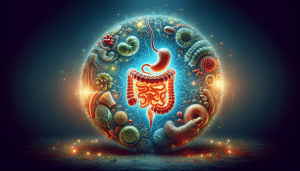
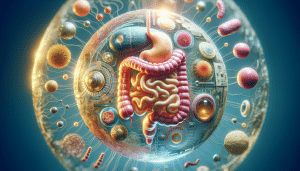
The human gut is home to trillions of bacteria, fungi, and other microbes, collectively known as the gut microbiome. This diverse ecosystem plays a crucial role in digestion, nutrient absorption, and immune function. Scientific research continues to reveal fascinating connections between gut microbiota and overall health. These microorganisms not only break down complex foods but also help synthesize vitamins and other essential nutrients that the body cannot produce on its own. Learning about the gut microbiome opens up new perspectives on preventive health and everyday routines.
What makes the gut microbiome particularly interesting is its highly dynamic nature. Every meal, every change in environment, and even stress levels can alter the balance of bacteria within the gut. A balanced microbiome helps regulate inflammation, supports metabolic processes, and influences how people respond to pathogens. When this balance is disrupted—known as dysbiosis—it may be linked to a variety of gastrointestinal issues as well as broader health problems. Scientific explorations into the precise constituents of a healthy microbiome are still ongoing, but diversity is generally associated with resilience and robustness.
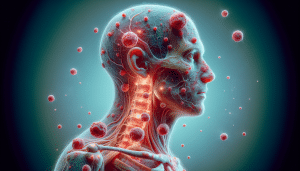
Another layer of complexity in the gut involves communication with the rest of the body. Through the so-called gut-brain axis, microbial populations in the digestive tract can interact with the brain using various chemical messengers. This has prompted researchers to investigate the ways in which gut health influences mental and emotional well-being. Exploring the gut microbiome provides a foundation for understanding broader health trends and the connection between daily habits and vitality.
The Link Between Gut Health and Immunity
About 70% of the body’s immune system is said to reside in the digestive tract. Helpful bacteria interact with immune cells to educate and regulate their response to foreign invaders. When the beneficial microbes in the gut are thriving, the immune system may react more efficiently and appropriately to infections and allergens. People sometimes notice fewer minor illnesses or quicker recovery when supporting their gut’s microbial populations. This reveals how boosting the gut’s biodiversity with quality nutrition might contribute to everyday resilience against illness.
Conversely, disruptions in gut bacteria, sometimes caused by poor diet or unnecessary antibiotic use, may impact immune function. Such disruptions have been linked to increased inflammation and the possibility of developing immune-mediated conditions. While scientific understanding is still evolving, diet and lifestyle choices that sustain beneficial bacteria may help lower the risk of inflammation-related discomfort. The dialogue between the gut and immune system exemplifies the intricate ways in which diet, stress, and environmental exposures affect wellness.
Prebiotics and probiotics can both play a role in immune health. Prebiotics provide food for beneficial microbes, while probiotics introduce live helpful bacteria into the gut. Fermented foods such as yogurt, kefir, kimchi, and sauerkraut are praised for their probiotic content. Meanwhile, prebiotic-rich foods like onions, garlic, bananas, and asparagus offer nourishment for these organisms. By making mindful dietary choices, individuals may help their immune systems remain stronger and more reactive to everyday challenges.
Gut Health and Mental Wellness
The connection between gut health and mental wellness is a topic of increasing interest in scientific circles. The gut-brain axis describes how the digestive system communicates directly with the brain through signaling chemicals, including neurotransmitters like serotonin. Interestingly, a substantial portion of the body’s serotonin is produced in the gut. People may notice shifts in mood, anxiety, or mental clarity when experiencing digestive discomfort, which is often linked to changes in gut flora.
Research suggests that alterations in the microbiome could influence mood and behavior. For instance, individuals experiencing chronic stress or anxiety may have distinct gut bacterial profiles. Likewise, inflammation in the gut has been associated with changes to emotional stability and cognitive performance. While more research is required, maintaining digestive balance may play a role in supporting stress resilience, focus, and even sleep patterns. Individuals interested in mental self-care are increasingly attentive to their dietary habits and gut health as a proactive measure.
Simple dietary strategies, such as increasing fiber-rich plant foods and fermented items, can help cultivate a more diverse gut environment. Physical activity, mindful eating, and techniques for stress reduction also contribute to supporting both the gut and the brain. Those experiencing frequent mood swings or stress often report improvement after adopting a balanced, less processed diet. These insights highlight why mental and physical well-being are so closely intertwined with what takes place in the digestive tract.
Everyday Habits That Support Gut Health
Small changes in daily routines can promote both digestion and the body’s wider health. A high-fiber diet, plenty of fresh fruits and vegetables, and moderate consumption of fermented foods can foster a healthier gut microbiome. Avoiding highly processed, sugary items can make it easier for beneficial microorganisms to thrive. For those looking for a starting point, even one additional serving of vegetables or a daily spoonful of sauerkraut may support diversity in gut bacteria. Consistency in meal timing and regular hydration are also simple yet effective tools.
Other essential habits include mindful eating. Taking time to chew food thoroughly, enjoying meals without distraction, and paying attention to fullness cues can all help regulate digestion. Chronic stress, inadequate sleep, and sedentary lifestyles are also known to disturb gut health indirectly. Regular exercise and well-managed stress have been shown to promote stability within the gut microbiome. Incorporating relaxation practices, like gentle yoga or meditation, can complement dietary strategies for overall wellness.
Antibiotics, while effective against infections, can deplete beneficial bacteria in the digestive tract. Whenever appropriate, discussions with healthcare professionals about the need and duration of antibiotic use can preserve gut balance. Post-antibiotic care may involve consuming probiotic-rich foods or supplements under guidance. Avoiding unnecessary overuse of antibiotics and practicing preventive health can reduce the likelihood of disrupting one’s microbiome. Collectively, these everyday strategies support the body’s natural defenses and promote healthy digestion.
Recognizing Signs of Gut Imbalance
Gut imbalance, or dysbiosis, can present as a range of non-specific symptoms. Digestive discomfort is common—bloating, irregular bowel movements, and frequent stomach upset may indicate a microbial imbalance. Fatigue, difficulty concentrating, and mood swings can also emerge when digestive health is compromised. While these symptoms are not exclusive to gut issues, recognizing persistent patterns can prompt a deeper look at dietary habits and overall lifestyle balance.
Skin irritations, unexplained cravings for sugar, sleep disturbances, and minor infections occurring with greater frequency may occasionally be linked to gut dysbiosis. These symptoms are often subtle, so regular observation of the body’s rhythms and responses is valuable. Consultation with qualified healthcare providers can clarify whether symptoms are related to gut health or another underlying concern. Early awareness and education are vital for implementing positive changes before disruption becomes more significant.
Tracking symptoms over time, adopting a food diary, and experimenting with gradual adjustments—such as increasing fiber and hydration or reducing processed foods—may yield insights into triggers and improvements. Ultimately, maintaining open communication with medical professionals ensures that any concerning symptoms are evaluated thoroughly. Caring for gut health is a proactive journey that enhances the feeling of well-being and can contribute to fewer health disruptions in daily life.
Dietary Strategies and Popular Trends
Current trends in nutrition often highlight the role of the gut in total health. Diets focused on whole foods, plant-based ingredients, and fermented products are supported by emerging research as beneficial for the microbiome. Some individuals explore elimination diets to identify food sensitivities that may disrupt gut balance. Working with registered dietitians ensures these methods are personalized and nutritionally adequate.
Shopping for gut-friendly foods does not have to be complicated or costly. Simple swaps—like replacing sugary snacks with fresh fruit, or white bread with whole-grain, fiber-rich options—can have a noticeable impact. Homemade yogurt, kefir, or fermented vegetables can also be budget-friendly alternatives to store-bought probiotic supplements. Understanding food labels, prioritizing unprocessed ingredients, and planning balanced meals help foster a supportive environment for beneficial microbes.
Certain supplements, including probiotics and prebiotics, continue to draw public interest. However, results can vary, and not all supplements are equally effective. Clinical guidelines recommend caution and consultation with healthcare providers before adding supplements to daily routines, especially for those with existing health conditions. The foundation of a vibrant gut ecosystem remains a varied diet rich in plant-based fibers, alongside sufficient hydration and regular movement. By focusing on sustainable habits, individuals support digestive resilience without falling prey to fleeting fads.
References
1. National Institutes of Health. (n.d.). The Human Microbiome. Retrieved from https://medlineplus.gov/genetics/understanding/genomicresearch/microbiome/
2. Harvard T.H. Chan School of Public Health. (n.d.). The Microbiome. Retrieved from https://www.hsph.harvard.edu/nutritionsource/microbiome/
3. Mayo Clinic. (n.d.). Probiotics and Prebiotics: What you need to know. Retrieved from https://www.mayoclinic.org/healthy-lifestyle/nutrition-and-healthy-eating/in-depth/probiotics/art-20045345
4. Johns Hopkins Medicine. (n.d.). The Gut: Where Bacteria and Immune System Meet. Retrieved from https://www.hopkinsmedicine.org/health/wellness-and-prevention/the-gut-where-bacteria-and-immune-system-meet
5. Mental Health Foundation. (n.d.). Diet and Mental Health. Retrieved from https://www.mentalhealth.org.uk/explore-mental-health/a-z-topics/diet-and-mental-health
6. U.S. Department of Agriculture. (n.d.). Nutrition and Health. Retrieved from https://www.nal.usda.gov/topics/nutrition

 Unlock Startup Growth With These Funding Paths