Steps to Organize Outdoor Living Areas
Daniel Hughes September 19, 2025
Creating a functional and aesthetically pleasing outdoor living area can transform your backyard or patio into an extension of your home. Organized outdoor spaces provide comfort, encourage social interaction, and offer a personal retreat. Emerging trends in outdoor design emphasize multipurpose layouts, smart storage solutions, and sustainable materials, allowing homeowners to maximize usability while maintaining a stylish appearance. This guide explores actionable steps to organize outdoor living areas effectively, catering to both small patios and expansive backyard retreats.
Assess Your Space and Set Priorities
Before making design decisions, it’s crucial to evaluate the available outdoor space.
- Measure the Area: Accurate measurements ensure furniture, planters, and decorative elements fit properly without crowding the space.
- Identify Zones: Divide the area into functional zones such as dining, lounging, gardening, or play areas. Zoning enhances usability and flow.
- Consider Traffic Flow: Plan paths and access points to prevent congestion and allow easy movement between areas.
- Define Your Goals: Determine whether the space will be used primarily for relaxation, entertainment, or family activities. This informs furniture selection, layout, and decor.
Thorough planning ensures a cohesive outdoor layout that balances functionality and visual appeal.
Choose Functional Outdoor Furniture
Outdoor furniture should be both comfortable and practical. Opt for pieces that serve multiple purposes and suit the climate.
- Multi-Functional Seating: Benches with built-in storage, ottomans that double as tables, and modular sofas allow flexible use of space.
- Weather-Resistant Materials: Teak, aluminum, and synthetic wicker withstand sun and rain while requiring minimal maintenance.
- Foldable or Stackable Options: For small patios, foldable chairs and tables save space when not in use.
- Ergonomic Comfort: Cushioned seating, adjustable loungers, and ergonomic chairs enhance comfort for prolonged outdoor use.
Investing in furniture that combines durability, comfort, and functionality contributes to an organized and inviting outdoor area.
Implement Smart Storage Solutions
Clutter can quickly reduce the appeal of an outdoor space. Efficient storage keeps items accessible without overwhelming the area.
- Outdoor Storage Boxes: Store cushions, garden tools, and toys to maintain a tidy environment.
- Shelving Units: Weatherproof shelves provide vertical storage for potted plants, decorative items, or books.
- Hanging Solutions: Hooks, racks, and wall-mounted organizers keep essentials within reach while freeing floor space.
- Multipurpose Furniture: Storage benches, coffee tables with compartments, and cabinets combine seating or surface area with storage.
Smart storage strategies maintain a clean and functional outdoor environment, enhancing the overall experience.
Optimize Layout and Flow
An organized outdoor area requires intentional layout planning to maximize space and comfort.
- Create Distinct Zones: Arrange furniture to define areas for dining, lounging, and activities.
- Maintain Clear Pathways: Ensure easy movement between zones and entry points.
- Use Area Rugs: Outdoor rugs can visually separate zones and add warmth and texture.
- Balance Furniture Scale: Avoid oversized pieces in small spaces; proportionate furniture enhances flow.
A thoughtful layout encourages usability and maintains a sense of openness and organization.
Leverage Vertical Space
Vertical space is often underutilized in outdoor areas. Incorporating height can increase storage and add visual interest.
- Wall-Mounted Planters: Use walls or fences to display plants and create a green backdrop without consuming floor space.
- Trellises and Lattice Panels: Support climbing plants while providing privacy and structure.
- Hanging Lights and Decor: Suspend lanterns, string lights, or hanging baskets to elevate ambiance without cluttering surfaces.
Using vertical space strategically maximizes organization and aesthetic appeal simultaneously.
Incorporate Greenery and Landscaping
Plants and landscaping play a central role in defining and organizing outdoor living spaces.
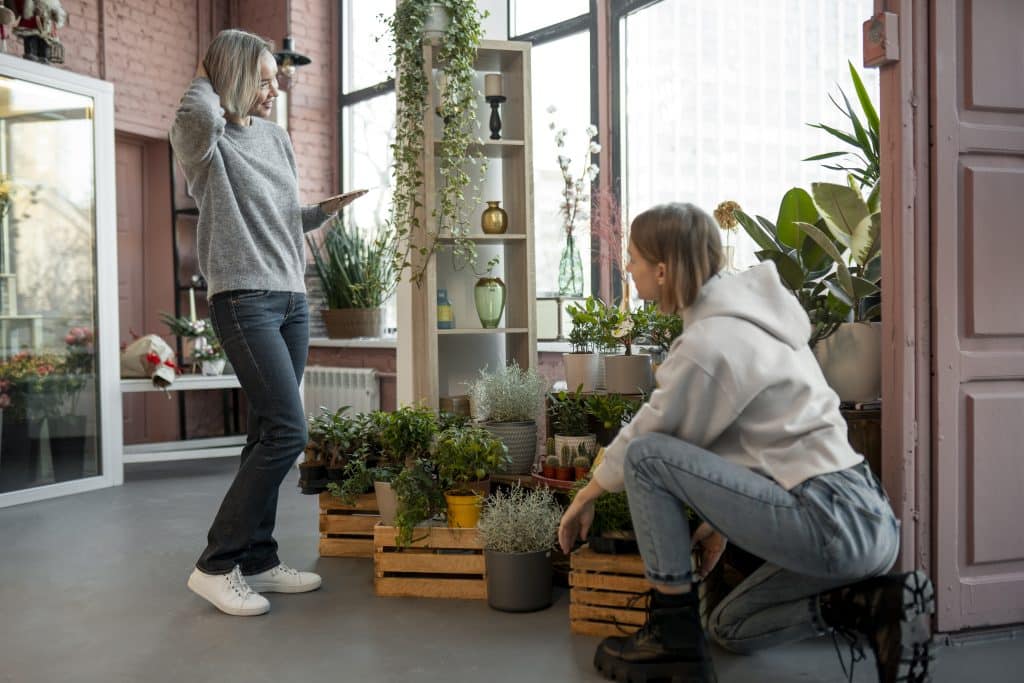
- Potted Plants: Group plants in containers to create focal points or define zones.
- Raised Beds and Garden Boxes: Organize edible gardens or flower beds for structure and accessibility.
- Natural Barriers: Hedges, shrubs, or decorative screens can separate functional areas and provide privacy.
- Low-Maintenance Greenery: Succulents, ornamental grasses, and hardy perennials reduce upkeep while enhancing visual appeal.
Integrating greenery thoughtfully not only beautifies the area but also reinforces a structured layout.
Lighting for Functionality and Ambiance
Outdoor lighting enhances usability and defines the mood of the space.
- Task Lighting: Illuminate dining areas, grills, or pathways to ensure safe and functional use after dark.
- Ambient Lighting: String lights, lanterns, and solar lamps create a cozy and inviting atmosphere.
- Accent Lighting: Highlight plants, sculptures, or architectural features to add depth and focus.
- Energy-Efficient Options: Solar-powered or LED lights reduce energy consumption and simplify installation.
Proper lighting extends the usability of outdoor spaces and contributes to an organized and harmonious design.
Seasonal Organization and Maintenance
Maintaining an organized outdoor area requires regular upkeep and seasonal adjustments.
- Rotate Furniture: Move furniture to protect it from weather damage and refresh the layout seasonally.
- Clean and Store Cushions: Use waterproof covers and store cushions when not in use to prevent mold and fading.
- Prune and Trim Plants: Regular maintenance keeps greenery structured and prevents overgrowth.
- Inspect and Repair: Check furniture, lighting, and structures periodically to ensure functionality and safety.
Routine care ensures that outdoor areas remain attractive, functional, and organized year-round.
Incorporate Multi-Functional Outdoor Spaces
Emerging trends highlight versatility in outdoor design. Spaces that accommodate multiple uses enhance value and usability.
- Outdoor Dining and Workspace: Use a patio table for meals and occasional remote work.
- Fitness and Recreation Zones: Integrate areas for yoga, exercise, or games without disrupting lounging areas.
- Entertaining and Relaxation Areas: Modular seating allows rapid transformation for social gatherings or personal downtime.
- Storage and Display Integration: Furniture that doubles as storage and display surfaces maximizes functionality.
Flexibility ensures that outdoor spaces meet varying needs while remaining organized and inviting.
Sustainability Considerations
Sustainable practices are increasingly emphasized in outdoor living design. Eco-friendly approaches contribute to long-term organization and environmental stewardship.
- Recycled or Renewable Materials: Use sustainably sourced wood, recycled plastics, or bamboo for furniture and structures.
- Native Plants: Require less water and maintenance, reducing clutter caused by dying or overgrown plants.
- Rainwater Harvesting: Integrate systems for irrigation to maintain organized, healthy landscaping.
- Solar Lighting: Reduces dependency on electrical systems and simplifies outdoor maintenance.
Sustainable practices not only benefit the environment but also support low-maintenance, organized outdoor living areas.
Conclusion
Organizing outdoor living areas requires thoughtful planning, creative solutions, and attention to emerging trends. By assessing space, implementing multi-functional furniture, leveraging vertical storage, and creating distinct zones, homeowners can maximize both functionality and aesthetics. Incorporating greenery, strategic lighting, and seasonal maintenance further enhances usability and comfort. Flexibility and sustainability ensure outdoor areas remain organized, practical, and enjoyable for years to come. Whether your goal is entertaining guests, relaxing, or enjoying recreational activities, these steps provide a comprehensive guide to creating cohesive, well-organized outdoor spaces that enrich daily life.
Reference
- Sustainable outdoor furniture, https://www.hineighbor.com
- Best Backyard Storage Ideas, Tips & Hacks You Need To Try, https://www.clutter.com
- Outdoor Decluttering Tips, https://tidiedbyk.com

 Emerging Trends in Sustainable Architecture