Emerging Trends in Sustainable Architecture
Noah Bennett September 19, 2025
Sustainable architecture is no longer just a niche concern; it is becoming a central focus in modern building design. As climate change, urbanization, and resource scarcity intensify, architects and developers are increasingly adopting environmentally conscious practices. Emerging trends in sustainable architecture emphasize energy efficiency, renewable materials, smart technologies, and biophilic design, all aimed at creating healthier, more resilient, and eco-friendly spaces. Understanding these trends allows homeowners, businesses, and city planners to align with environmentally responsible practices while enhancing functionality and aesthetic appeal.
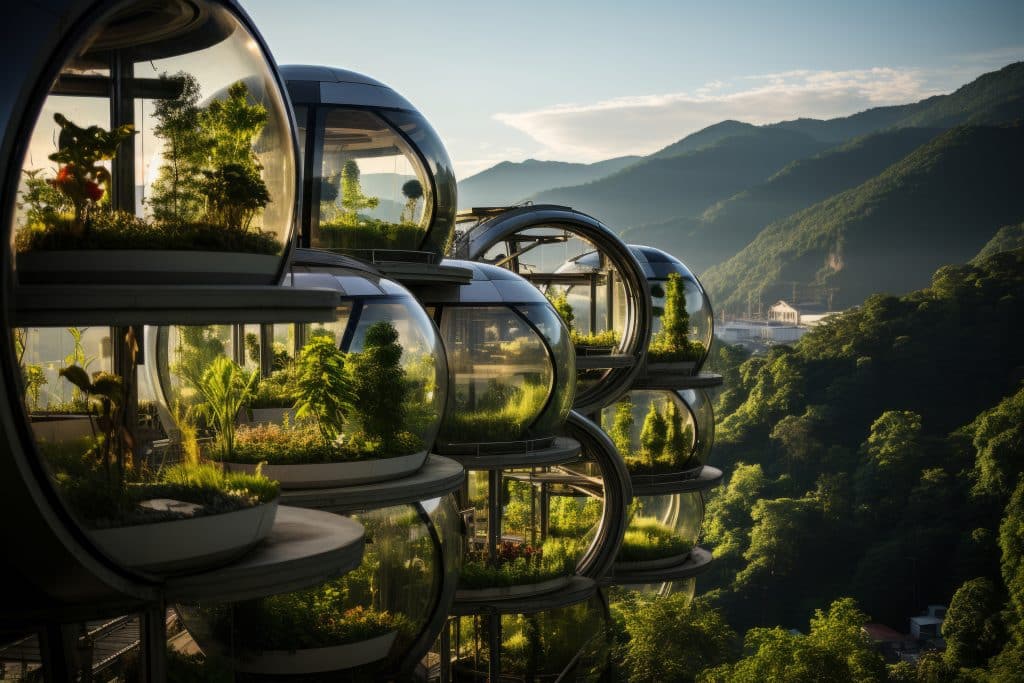
1. Energy-Efficient Building Design
One of the most significant aspects of sustainable architecture is energy efficiency. Modern buildings consume vast amounts of energy for heating, cooling, lighting, and electronics. Energy-efficient designs reduce carbon footprints and lower operational costs.
- Passive Solar Design: Orienting buildings to capture sunlight naturally reduces the need for artificial heating and lighting. Features like overhangs, reflective glass, and insulation enhance energy performance.
- High-Performance Windows and Insulation: Triple-glazed windows and advanced insulation materials prevent heat loss in winter and heat gain in summer.
- LED and Smart Lighting Systems: Energy-efficient lighting with motion sensors or automated dimming significantly reduces electricity consumption.
- Green Roofs and Walls: Incorporating vegetation into roofs and facades provides natural insulation, reduces urban heat islands, and improves air quality.
According to the U.S. Green Building Council, energy-efficient buildings can reduce energy consumption by 30–50% compared to conventional designs, highlighting their environmental and economic value.
2. Renewable Energy Integration
Incorporating renewable energy sources into building design is a growing trend. Solar panels, wind turbines, and geothermal systems provide clean energy while reducing dependency on fossil fuels.
- Solar Photovoltaics (PV): Rooftop solar panels generate electricity, often feeding excess power back into the grid.
- Building-Integrated Photovoltaics (BIPV): Solar materials integrated into facades, windows, and roofing maintain aesthetics while producing energy.
- Geothermal Heating and Cooling: Systems that use ground-source heat pumps reduce energy consumption for climate control.
- Micro Wind Turbines: Small-scale turbines can supplement energy needs in areas with consistent wind patterns.
A study by the International Renewable Energy Agency (IRENA) found that integrating renewable energy into urban buildings significantly reduces greenhouse gas emissions while improving resilience to energy price volatility.
3. Biophilic and Nature-Inspired Design
Biophilic design connects occupants with nature, improving well-being and environmental performance. Emerging sustainable architecture increasingly emphasizes natural elements.
- Indoor Green Spaces: Incorporating plants, vertical gardens, and indoor trees enhances air quality and psychological comfort.
- Natural Ventilation and Daylighting: Open floor plans, atriums, and skylights reduce reliance on artificial systems.
- Natural Materials: Wood, bamboo, stone, and clay provide sustainability while creating a warm, organic aesthetic.
- Water Features: Fountains or ponds help regulate microclimates and create calming environments.
According to the Journal of Environmental Psychology, biophilic design can boost productivity, reduce stress, and enhance overall health in both residential and commercial buildings.
4. Smart and Adaptive Building Technologies
Technology-driven solutions are central to sustainable architecture, allowing buildings to monitor performance and optimize resource usage in real time.
- Building Automation Systems (BAS): These systems regulate lighting, HVAC, and water usage for maximum efficiency.
- IoT Sensors: Sensors track temperature, humidity, and occupancy to automate systems and reduce energy waste.
- Predictive Maintenance Tools: Smart technologies can detect inefficiencies and schedule repairs before major issues arise.
- Adaptive Shading and Glazing: Dynamic windows adjust tinting based on sunlight, minimizing cooling and heating loads.
Smart architecture ensures buildings are not only energy-efficient but also adaptive to changing environmental conditions and user needs.
5. Sustainable and Recycled Materials
The choice of construction materials directly affects environmental impact. Emerging trends focus on low-carbon, recycled, and renewable materials.
- Recycled Concrete and Steel: Utilizing recycled materials reduces landfill waste and lowers embodied energy.
- Cross-Laminated Timber (CLT): CLT is a sustainable wood alternative that offers strength comparable to concrete while sequestering carbon.
- Low-VOC Paints and Adhesives: Minimizing volatile organic compounds improves indoor air quality.
- Eco-Friendly Insulation: Materials like sheep’s wool, cellulose, or hemp provide sustainable thermal performance.
Material innovation contributes to durability, reduces environmental harm, and creates healthier living environments.
6. Modular and Prefabricated Construction
Prefabricated and modular construction is gaining popularity in sustainable architecture due to reduced waste and faster construction timelines.
- Factory-Built Components: Precision manufacturing reduces material waste and improves quality control.
- Modular Units: Homes and offices can be expanded or reconfigured without extensive demolition.
- Efficient Transportation: Modular sections minimize on-site construction disruption and carbon footprint.
- Sustainability Certifications: Many prefab systems comply with LEED or BREEAM standards for eco-friendly construction.
A report by McKinsey & Company notes that modular construction can cut construction time by up to 50% while improving sustainability outcomes.
7. Water Efficiency and Stormwater Management
Efficient water use and management are essential aspects of sustainable architecture, especially in drought-prone regions.
- Rainwater Harvesting: Capturing rainwater for irrigation or non-potable use reduces demand on municipal systems.
- Greywater Recycling: Treating and reusing water from sinks and showers for landscaping lowers consumption.
- Permeable Pavements: Pavements and driveways that allow water infiltration reduce runoff and prevent flooding.
- Smart Irrigation Systems: Automated watering schedules optimize water usage while maintaining healthy landscapes.
Integrating water-conscious design preserves local ecosystems and reduces operational costs.
8. Community and Urban Integration
Sustainable architecture increasingly considers social and urban impact, promoting walkability, public spaces, and energy-sharing solutions.
- Mixed-Use Developments: Combining residential, commercial, and recreational spaces reduces transportation emissions.
- Shared Amenities: Co-working spaces, gardens, and energy systems improve resource efficiency.
- Green Corridors and Open Spaces: Urban planning that incorporates green pathways promotes biodiversity and community well-being.
- Public Transport Access: Buildings designed near transit hubs encourage sustainable commuting.
Urban integration ensures that sustainable architecture benefits both residents and the surrounding community.
Conclusion
Emerging trends in sustainable architecture reflect a holistic approach to design, prioritizing energy efficiency, renewable resources, biophilic principles, smart technologies, and water conservation. By combining these strategies, architects and developers create buildings that are environmentally responsible, cost-effective, and human-centric. Homeowners and businesses adopting these principles can reduce environmental impact, enhance comfort, and contribute to resilient, forward-thinking communities. Sustainable architecture is not just about minimizing harm—it is about creating spaces that harmonize with nature, support occupant well-being, and inspire future generations.
Reference
- Emerging trends in sustainable building materials, https://www.sciencedirect.com
- Energy Efficiency in Biophilic Architecture, https://www.mdpi.com
- Evolving trends and challenges in sustainable architectural design, https://www.sciencedirect.com

 Fitness Routines That Improve Mobility and Flexibility