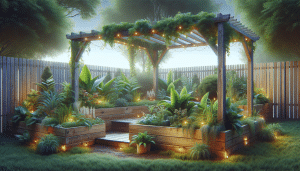
Secrets No One Tells You About Low Maintenance Gardens
Daniel Hughes December 4, 2025
Discover how low maintenance gardens transform outdoor living. This guide explores practical designs, plant choices, and landscape strategies ideal for anyone seeking lasting beauty without daily chores. Unlock simple ideas for a vibrant garden that fits busy lifestyles and makes any home feel calm and inviting.
Understanding the Heart of Low Maintenance Gardens
Low maintenance gardens are often considered the gateway to enjoying outdoor spaces without feeling tied down by constant tasks. The core idea is creating a landscape that offers natural beauty while demanding little hands-on care. Many garden enthusiasts feel overwhelmed by the idea of traditional gardening, with weeding, pruning, and regular watering topping their lists of concerns. Yet, a thoughtful approach to garden design changes everything. By focusing on strategic plant selection, efficient irrigation, and soil health, even beginners can experience success. Low maintenance doesn’t mean boring—it unlocks new possibilities for creativity, from drought-resistant flower beds to textured ground covers that thrive in different climates.
Design plays a critical role in how gardens mature over time. While some may picture a low maintenance garden as sparse or lifeless, experts argue the opposite is true. The principles guiding this movement encourage the use of native plants, automatic watering systems, mulched beds, and landscape fabrics that significantly reduce unwanted weeds. Native species require less intervention and adapt better to local weather, which is crucial for sustainable garden planning. This approach also supports local pollinators, making gardens more vibrant and healthy without the need for pesticides. By carefully combining these elements, homeowners can create welcoming zones that require little more than seasonal pruning and occasional cleanup.
Gardeners adopting low maintenance strategies often report increased satisfaction and more time for relaxation. Rather than dreading a backlog of chores, people with these gardens enjoy a steady display of greenery and blooms without constant upkeep. This sense of ease extends beyond the garden itself, affecting overall enjoyment of the home. For many, learning that there are proven, manageable ways to maintain a garden is liberating. It means less stress, lower water bills, and an outdoor retreat to enjoy without the guilt of unfinished projects or shrinking free time.
Choosing the Right Plants: Beyond the Obvious
Plant selection forms the foundation of every successful low maintenance garden. The secret lies in prioritizing native and well-adapted plants, as these choices naturally resist pests, diseases, and droughts. Some homeowners mistakenly believe that hardy landscapes must sacrifice beauty, but a wealth of colorful, long-lasting options exist. Ornamental grasses, sedums, lavender, and evergreen shrubs are prime candidates. These plants need minimal pruning, often thrive with just occasional watering, and stay resilient in the face of changing seasons. This makes them an ideal fit for people wanting consistent garden interest without a rigid maintenance schedule.
Many gardeners also incorporate perennials that return year after year, drastically reducing replanting chores. Perennials such as coneflowers, black-eyed Susans, and daylilies fill gardens with vibrant hues across multiple seasons. They are especially beneficial when arranged in groupings, forming dense displays that keep weeds out and soil moisture in. Incorporating ground covers like creeping thyme or pachysandra creates living mulch that limits bare earth and saves time by preventing weed growth. Establishing the right plant communities not only lessens weekly care but supports garden biodiversity.
Gardeners are often surprised by the versatility of drought-tolerant plants. Modern landscape design encourages mixing ornamental succulents with shade-tolerant species or trailing vines, adding texture and variety. Many of these plants, such as yarrow or Russian sage, rarely require fertilizer or pest interventions. By experimenting with low-care combinations, it’s possible to design a garden that offers changing visual interest throughout the year. This focus on sustainable options gives gardens a self-sustaining quality, which sits at the heart of the low maintenance philosophy.
Smart Garden Design Strategies for Effortless Upkeep
Thoughtful garden design dramatically reduces routine tasks, making time outside more rewarding. One of the most popular strategies centers on zoning—placing plants with similar water and sunlight needs together. This results in a landscape that is cohesive, logical, and efficient to maintain. Pathways, raised borders, and clusters of stones break up larger spaces, defining clear walkways and garden beds. This organization not only aids with weeding and watering but also makes seasonal transitions, like spring mulching or fall cleanup, much less daunting. Gardeners with carefully segmented spaces often notice fewer problems and more opportunities for creative flair.
Mulching is a go-to solution for lovers of easy-care gardens. A thick mulch layer locks in soil moisture, prevents erosion, and suppresses weed growth, leading to healthier soil over time. Using organic mulches such as shredded bark, compost, or leaf litter provides nutrients as they break down. Meanwhile, inorganic options like gravel or stones lend a clean, structured appearance with a one-time installation. The use of mulches around shrubs and perennials drastically cuts down watering needs and keeps maintenance to a bare minimum for busy homeowners.
Irrigation is another central theme in low maintenance landscapes. Subsurface drip systems or soaker hoses offer slow, steady moisture exactly where it’s needed, eliminating wasted water and reducing the need for daily attention. Some gardeners also set up rainwater harvesting systems, adding sustainability while keeping costs down. Well-placed rain barrels or waterwise garden layouts maximize efficiency, and automated timers can further remove the guesswork. The ultimate goal is a landscape that nearly takes care of itself while still looking lush and inviting.
Soil Health and Composting for Sustainable Growth
Healthy soil is behind every thriving, low maintenance garden. Garden experts recommend regular soil improvements as a one-time investment that pays ongoing rewards. Adding compost or well-rotted organic matter to planting beds boosts water retention, supports root growth, and fosters beneficial soil organisms. Composting also reduces household waste, turning kitchen scraps and yard trimmings into natural fertilizer. This simple step lowers dependency on commercial inputs and enhances resilience against pests and diseases, making garden management easier over the seasons.
Improving soil structure is particularly important for anyone struggling with heavy clay or sandy soils. Well-amended soil offers a balance of drainage and moisture-holding capacity, one of the keys to low fuss gardening. Gardeners can test their soil composition using kits from cooperative extension services, making targeted amendments based on real results. Over time, these upgrades allow gardens to flourish with less fertilizer and fewer interventions. Healthy soils become fertile ground for plant life, reducing the need to constantly replace weak or dying specimens every year.
Many people overlook the value of routine mulching and organic matter additions in keeping their gardens resilient. Spreading a layer of homemade compost every spring powers strong growth and supports plants through dry spells. As the organic material breaks down, it encourages earthworms and beneficial microbes, key drivers of soil vitality. This system creates a subtle, nearly self-sustaining ecosystem that enhances every part of a low maintenance garden without daily involvement.
Simple Maintenance Tasks That Make the Biggest Impact
While low maintenance gardens thrive without daily work, a handful of smart tasks can keep them in peak condition. Inspecting plants for early signs of pests or disease is an easy habit that pays off quickly. Regular deadheading—removing spent flowers—and light trimming keep plants looking tidy and encourage new blooms. These quick routines often take only a few minutes but can prevent major issues later in the season. Gardeners who adopt a proactive approach in early spring see more rewards for much less effort as the months progress.
Occasional replenishment of mulch and organic matter takes less time than frequent fertilizing, yet it offers substantial benefits. A fresh mulch layer every season controls soil temperature, prevents weed invasions, and enhances the overall appearance of outdoor areas. Similarly, seasonal pruning of perennial favorites, shrubs, and ornamental grasses freshens up garden beds. For many, dedicating one weekend each spring and fall to these simple tasks replaces what used to be hours of weekly maintenance, allowing more time to relax and unwind outdoors.
Checking irrigation systems or rain barrels for clogs or leaks once or twice a season is often all that’s needed to keep water delivery efficient. Some users rely on simple checklists or reminders to stay on track, minimizing the risk of emergencies. The most effective low maintenance gardens blend sensible routines with long-lasting infrastructure, resulting in reliable outdoor spaces that endure for years. By focusing on quality—not quantity—of care, these gardens become sustainable havens that welcome visitors and homeowners alike, season after season.
Bonus Tips for a Stress-Free Garden Lifestyle
For those starting a garden makeover, simplicity is key. Begin by working with existing features—shade, slope, or soil type—and choose adaptable design elements. Raised beds and container gardens offer flexible solutions in limited spaces, while paved patios or gravel paths add structure. Accessories like decorative rocks, birdbaths, or weatherproof benches can provide focal points and year-round interest. This personalized approach turns any yard or balcony into an oasis that matches your time constraints.
Time-saving tools and technology are increasingly shaping modern gardening. Smart irrigation systems, robotic lawn mowers, and durable hand tools lighten the workload, especially in larger gardens. Gardeners may also use apps for plant identification, watering schedules, or pest diagnosis, putting new solutions at their fingertips. While some tech comes at an initial cost, many find the savings in time and energy justify the investment. These innovations complement low maintenance designs, ensuring that maintenance never overshadows enjoyment.
Ultimately, the true benefit of low maintenance gardening extends beyond easier chores. A peaceful, inviting outdoor environment supports well-being and invites friends and family to gather. Pollinator-friendly plantings, birdhouses, and small water features draw local wildlife, bringing the garden to life year-round. By weaving together sustainability, creativity, and a commitment to simplicity, anyone can enjoy a beautiful garden that puts relaxation first. Explore more and see how small changes inspire big results in outdoor living.
References
1. Royal Horticultural Society. (n.d.). Low-maintenance gardening. Retrieved from https://www.rhs.org.uk/garden-jobs/low-maintenance-gardening
2. National Wildlife Federation. (n.d.). Native plants. Retrieved from https://www.nwf.org/Garden-for-Wildlife/About/Native-Plants
3. University of California Master Gardener Program. (n.d.). Sustainable landscaping. Retrieved from https://mg.ucanr.edu/Sustainable_Landscapes/
4. Environmental Protection Agency. (n.d.). Green landscaping: Greenacres. Retrieved from https://www.epa.gov/greenacres
5. Cornell University Cooperative Extension. (n.d.). Compost basics. Retrieved from https://compost.css.cornell.edu/index.html
6. University of Illinois Extension. (n.d.). Garden maintenance and care. Retrieved from https://extension.illinois.edu/gardening/garden-maintenance

 Unlocking Passive Income Streams for Your Financial Future