Nutrition Practices That Support Brain Function
Sophia Clarke September 30, 2025
Brain health used to be something people only thought about later in life. Today, it’s becoming a priority for students, remote workers, entrepreneurs, parents, and seniors alike. Concentration, mental endurance, and memory are now treated as daily performance metrics — just like physical strength or cardiovascular fitness. That’s why nutrition practices that support brain function are rapidly gaining traction across wellness communities, medical platforms, and consumer brands.
This shift comes at a time when burnout, brain fog, and cognitive fatigue are reported at record highs. A 2024 Gallup report revealed that over 40% of working adults experience near-daily mental exhaustion, while younger generations are increasingly concerned about long-term neurological health due to overexposure to screens, poor sleep patterns, and chronic stress.
Fortunately, science consistently shows that food is one of the most powerful ways to influence brain function. Unlike temporary solutions like caffeine or stimulants, nutrient-based approaches improve both short-term focus and long-term neuroprotection. In 2025, researchers and dietitians agree on one key message: cognitive resilience is built in the kitchen before it’s demonstrated at the desk.
The Science Behind Brain Nutrition
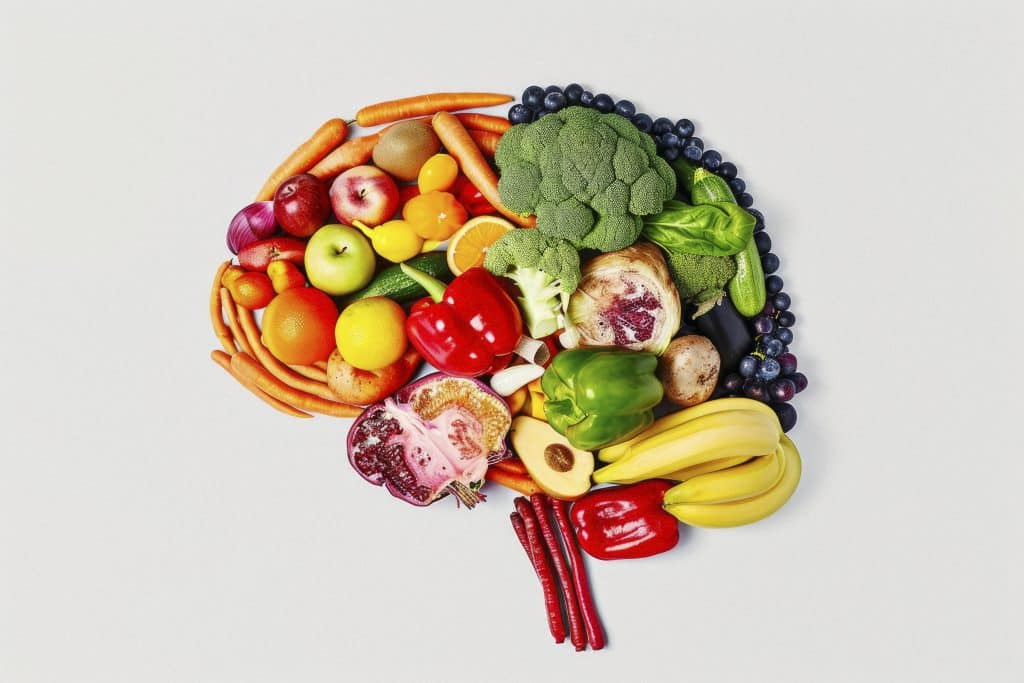
The brain is an energy-intensive organ, consuming roughly 20% of the body’s total daily calories. However, it doesn’t run effectively on just any fuel. It depends on specific nutrients — omega-3 fatty acids for neuron structure, B vitamins for neurotransmitter synthesis, polyphenols for inflammation control, and antioxidants to protect brain cells from oxidative stress.
A 2024 publication from Harvard Health emphasized that diets rich in omega-3s, berries, leafy greens, olive oil, and lean proteins are strongly associated with improved memory performance. Meanwhile, ultra-processed foods high in refined sugars and trans fats correlate with slower reaction times and higher rates of depressive symptoms.
This is why nutrition practices that support brain function are no longer considered fringe — they’re viewed as core strategies for mental performance and longevity.
Precision Nutrition Enters Cognitive Health
Personalized wellness is one of the biggest trends in healthcare, and now it’s being applied specifically to brain support. Instead of generic dietary advice, more people are using data from DNA testing, microbiome reports, and glucose monitors to tailor cognitive nutrition plans.
How Precision Brain Nutrition Works
- DNA-based diet reports identify whether someone is genetically predisposed to lower omega-3 absorption or vitamin deficiencies.
- Glucose tracking helps identify foods that cause energy crashes and sluggish thinking.
- AI nutrition apps make real-time adjustments, recommending meals that enhance focus or calm based on biomarker patterns.
This type of targeted optimization is especially appealing to knowledge workers, students, and high-performance professionals looking for clarity without stimulants. Rather than relying on caffeine, they rely on data-backed fuel.
Gut Health as the Foundation of Cognitive Wellness
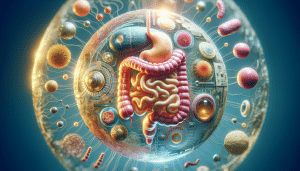
The connection between gut function and brain function is no longer speculation — it’s established science. Researchers estimate that nearly 95% of the body’s serotonin (the hormone that regulates mood and mental stability) is produced in the gut. When gut bacteria are imbalanced, stress levels increase and cognitive sharpness declines.
A 2023 Nature Reviews Neuroscience study confirmed that improving gut diversity through probiotic and prebiotic foods leads to better emotional regulation, improved sleep quality, and enhanced memory retention.
Gut-Brain Supportive Foods
| Category | Examples | Brain Benefit |
|---|---|---|
| Probiotic Foods | Kefir, kimchi, sauerkraut, miso | Supports neurotransmitter production |
| Prebiotic Fibers | Oats, garlic, leeks, bananas | Feeds beneficial gut bacteria |
| Polyphenol-Rich Foods | Berries, green tea, pomegranate | Reduces inflammation |
Gut optimization is one of the most foundational nutrition practices that support brain function, because mental clarity begins in the digestive tract.
Nootropic Foods Replace Traditional Energy Boosters
Instead of reaching for sugary energy drinks or synthetic stimulants, many are turning to food-based nootropics — natural ingredients that improve cognitive performance without crash effects.
Popular nootropic foods include:
- Lion’s Mane Mushroom — studied for its ability to stimulate nerve growth factor (NGF).
- Matcha — combines caffeine with L-theanine for calm alertness.
- Dark Chocolate (70%+) — flavonoids increase cerebral blood flow.
- Turmeric (Curcumin) — reduces brain inflammation and supports memory.
- Walnuts & Chia Seeds — rich in alpha-linolenic acid, an omega-3 linked to neuroprotection.
These ingredients are now being built into snack bars, coffee alternatives, smoothie powders, and functional beverages, making it easier than ever to adopt nutrition practices that support brain function on the go.
Anti-Inflammatory Diets for Memory Protection
Inflammation is one of the silent disruptors of brain performance. When systemic inflammation rises, communication between neurons slows down. That’s why diets emphasizing anti-inflammatory foods — particularly the MIND diet — are becoming central strategies for brain health.
The MIND Diet Core Components
- Leafy greens daily (spinach, kale, arugula)
- Berries several times per week
- Olive oil as the main fat
- Fish at least twice weekly
- Whole grains and legumes regularly
The Alzheimer’s Association (2024) found that strict followers of the MIND diet had a 53% lower risk of developing cognitive decline, while moderate followers still saw a 35% benefit.
Even small, consistent dietary upgrades can lead to measurable improvements.
Intermittent Fasting as a Cognitive Enhancer
Intermittent fasting isn’t just a weight control method — it’s becoming a brain longevity tool. A 2023 study published in Cell Metabolism showed that fasting increases levels of Brain-Derived Neurotrophic Factor (BDNF), a molecule responsible for neuron growth and learning capacity.
Common fasting structures include:
- 16:8 — Eating only within an 8-hour time frame.
- 14:10 — A more relaxed approach for beginners.
- Early Time-Restricted Feeding (ETRF) — Eating all meals earlier in the day for optimized cellular repair.
Many report sharper morning focus, more stable energy, and reduced afternoon fog when practicing fasting alongside balanced nutrition.
Practical Nutrition Practices That Support Brain Function Daily
If you’re not ready for complex test-based plans or formal diets, here are simple habits that improve cognitive performance:
- Eat Omega-3s at Least Twice Weekly — Salmon, sardines, chia seeds, or algae-based supplements.
- Swap Sugary Breakfasts for Antioxidant-Based Starts — Berries with yogurt or green tea with almonds.
- Stay Hydrated — Even mild dehydration reduces memory accuracy.
- Balance Blood Sugar — Pair carbohydrates with protein or fat to prevent mental crashes.
- Include Fermented Foods Daily — Gut stability equals brain stability.
- Limit Alcohol to Weekends Only — Alcohol disrupts REM sleep, impairing memory.
- Track Your Focus After Meals — Food journals can reveal unexpected sensitivity patterns.
Small adjustments performed consistently create compounding cognitive benefits.
The Future of Brain Nutrition
Wellness is entering a new era — one where mental clarity is treated with the same seriousness as physical fitness. Schools are incorporating omega-3s into lunch programs. Workplaces are offering gut-friendly snacks instead of high-sugar treats. Even retirement communities are introducing MIND diet meal plans.
Nutrition practices that support brain function will soon be as standardized as cholesterol or blood pressure management. People don’t just want to live long — they want to think clearly while doing it.
References
- Nutritional Modulation of the Gut–Brain Axis: https://pmc.ncbi.nlm.nih.gov
- The Gut-Brain Axis: https://pmc.ncbi.nlm.nih.gov
- Diet and the Microbiota–Gut–Brain Axis: https://pmc.ncbi.nlm.nih.gov

 Smart Home Innovations That Enhance Daily Life