Smart Home Innovations That Enhance Daily Life
Noah Bennett September 30, 2025
Smart home technology has evolved from novelty gadgets to everyday essentials. What began as voice assistants and connected lightbulbs has matured into fully integrated systems that actively improve comfort, safety, and efficiency. Today, smart home innovations that enhance daily life are being engineered not just for convenience — but for wellness, sustainability, and personalization. As AI becomes deeply embedded in domestic spaces, homes are transforming into responsive environments that anticipate needs before they’re even expressed.
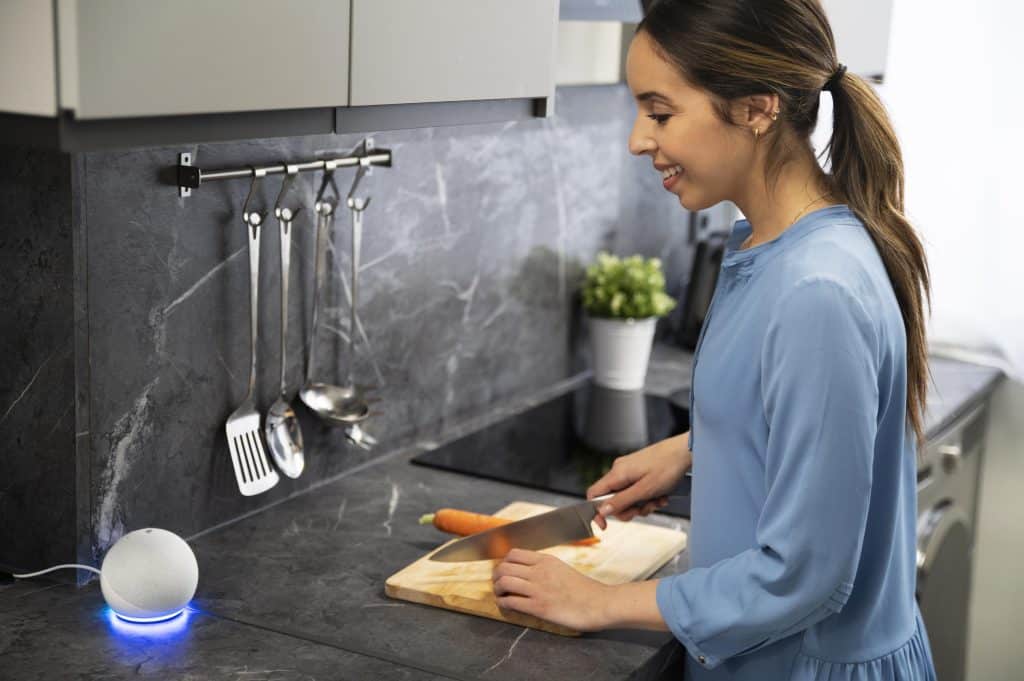
Why Smart Home Innovations Are Becoming Standard Features
According to Statista (2024), over 375 million households worldwide now use at least one smart device, and adoption rates continue to grow as hardware becomes more affordable and more interoperable. While early adopters embraced smart tech for entertainment or novelty, the latest wave of smart home upgrades is being driven by three major motivations:
- Energy cost reduction — Smart thermostats and connected appliances help cut electricity bills by up to 20% annually.
- Health and comfort optimization — AI adjusts lighting, temperature, and air quality to support better sleep and productivity.
- Lifestyle automation — Repetitive tasks such as cleaning, cooking assistance, and routine reminders are now handled automatically.
These factors signal a shift away from luxury tech toward functional necessity — especially in homes where work, leisure, and family life increasingly happen under one roof.
AI Is Redefining Everyday Home Management
AI-powered systems are becoming the central “brain” of smart homes. Instead of simply executing voice commands, assistants like Amazon Alexa, Google Home, and Apple Siri are learning routines and adapting in real time.
Examples of Intelligent Home Behaviors:
- Predictive Climate Control — Thermostats like Nest and Ecobee monitor your schedule and pre-adjust temperatures before you wake or arrive home.
- Dynamic Lighting Scenes — Smart bulbs change color temperature automatically to match circadian rhythms, supporting alertness in the morning and relaxation at night.
- Automated Task Coordination — AI can lock doors at night, turn off stray lights, and even run air purifiers when pollution levels rise.
This proactive functionality exemplifies how smart home innovations that enhance daily life are shifting from manual interaction to autonomous decision-making.
Energy Efficiency Takes Center Stage
With global electricity costs rising and sustainability goals becoming common household priorities, smart energy tools are among the most rapidly adopted devices.
Key Energy-Saving Smart Technologies:
| Device | Function | Daily Benefit |
|---|---|---|
| Smart Thermostats | Adaptive heating & cooling | Lower bills without sacrificing comfort |
| Smart Plugs | Kill standby power | Prevents vampire energy drain |
| Solar Storage Controllers | Optimize renewable usage | Maximizes solar panel ROI |
| Smart Blinds | Auto-adjust to sunlight | Reduces AC usage |
A report from the International Energy Agency (2024) revealed that connected homes can reduce annual energy waste by 15-25%, proving that automation isn’t just about convenience — it’s an eco-friendly financial strategy.
Smart Kitchens Are Becoming Cognitive Assistants
The kitchen is undergoing one of the most dramatic transformations in smart home technology. No longer just a space for cooking, it is becoming a nutritional command center.
Current Innovations Redefining Kitchen Tasks:
- Smart Fridges scan expiration dates, recommend recipes, and reorder essentials automatically through integration with grocery apps.
- AI-Driven Ovens recognize food types via internal cameras and adjust cooking parameters for precision results.
- Voice-Controlled Coffee Systems sync with sleep data to brew at optimal wake-up times.
Beyond functionality, these tools reduce mental load. Instead of manually tracking supplies or cooking times, smart home innovations that enhance daily life in the kitchen promote healthier habits without demanding additional effort.
Smart Wellness Devices Are Quietly Supporting Mental and Physical Health
Wellness technology is now embedded into home infrastructure rather than limited to wristbands or phone apps. The modern smart home actively participates in sleep, stress management, and daily movement.
Popular Wellness-Focused Smart Features:
- Air Quality Sensors — Monitor CO2, pollen, and toxins, triggering ventilation or alerts when needed.
- Circadian Lighting — Simulates sunrise and sunset to regulate melatonin for natural sleep cycles.
- Connected Fitness Equipment — Treadmills, bikes, and resistance mirrors now integrate with VR platforms like Zwift and Supernatural for immersive exercise experiences.
McKinsey’s 2023 Future of Wellness report stated that 70% of consumers are interested in living spaces that actively support their well-being, confirming that wellness is the new frontier of smart home design.
Security Becomes More Intelligent and Less Intrusive
Security systems have evolved from static alarms to AI-powered protection tools capable of recognizing context.
Modern Smart Security Features Include:
- Facial Recognition Doorbells that differentiate between family, delivery workers, and unknown visitors.
- Motion-Aware Lighting that activates only in relevant areas to reduce confusion or false alarms.
- Smart Locks allowing one-time guest access via shareable codes instead of spare keys.
These upgrades make smart home innovations that enhance daily life not only technologically impressive but emotionally reassuring.
Designing a Smart Home Strategy That Makes Sense
With so many options on the market, getting started can feel overwhelming. Here is a structured approach for anyone building an intelligent home system:
Step-by-Step Smart Home Development Plan
- Start with your biggest daily pain point — energy waste? missed routines? cluttered kitchen tasks?
- Choose interoperable platforms — opt for Matter-compatible devices to ensure future-proof expansion.
- Automate routines before over-purchasing — a single smart hub or plug can free up hours weekly.
- Prioritize privacy and data protection — enable two-factor authentication and use secure routers.
- Scale gradually — add one zone at a time: energy → lighting → security → wellness.
This approach ensures long-term cohesion rather than gadget overload.
Real-World Scenarios That Show the Power of Automation
To better understand how smart home innovations that enhance daily life play out across different households, here are real use cases:
Family Home Example
A busy family uses:
- Smart speakers as intercoms for room-to-room communication.
- Adaptive lighting schedules to transition from homework time to bedtime.
- AI grocery tracking to prevent food waste and save planning time.
Remote Worker Example
A freelancer relies on:
- Sound-monitoring office pods that dampen background noise during calls.
- Auto-blinds that adjust to reduce monitor glare.
- Scheduled diffuser devices that release scents linked to focus or relaxation.
Senior Living Example
An older adult benefits from:
- Fall-detection floor sensors linked to alert contacts.
- Medication reminders via voice assistants.
- Smart stovetops that auto shut off when unused.
Smart tech isn’t futuristic — it’s practical, human-first problem solving.
Future Outlook: From Smart Homes to Intelligent Ecosystems
Experts predict that the next phase of innovation won’t be just inside individual homes — it will extend across neighborhoods. Shared energy grids, connected street-level security, and community wellness data pooling will create collaborative smart living zones.
Artificial intelligence will act as a personal home concierge — handling repairs, optimizing utility contracts, and even recommending lifestyle improvements based on long-term data.
References
- Smart Home Trends Survey: https://www.ahs.com
- Smart Home Trends and Statistics, https://todayshomeowner.com
- CES 2024 Sector Trends: https://www.ces.tech

 Gardening Techniques That Encourage Eco-Friendly Living