Interior Design Ideas for Open-Plan Living Spaces
Daniel Hughes September 18, 2025
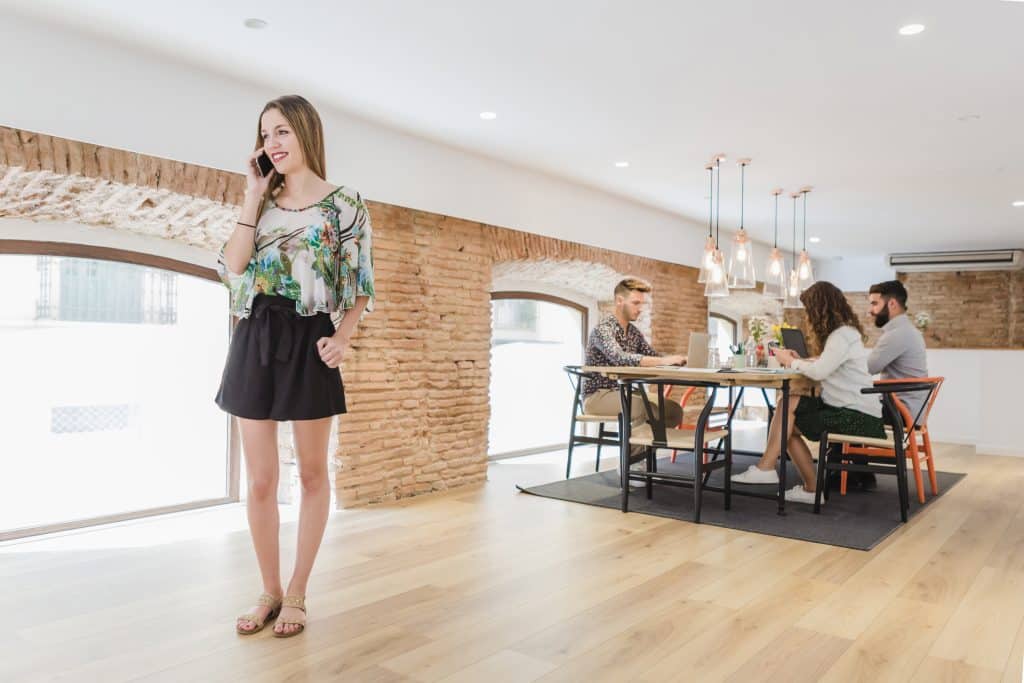
Open-plan living spaces continue to dominate modern interior design, offering flexibility, flow, and a sense of openness that appeals to homeowners and apartment dwellers alike. However, the challenge many people face is how to design these large, fluid spaces in a way that feels cohesive, functional, and inviting. In 2025, new trends and ideas are reshaping how designers and homeowners approach open layouts, blending aesthetics with practicality to create spaces that work for both everyday living and entertaining. This article explores interior design ideas for open-plan living spaces, drawing on current trends and practical strategies that enhance comfort, style, and usability.
Why Open-Plan Living Remains Popular
Open layouts eliminate unnecessary walls, creating a seamless flow between kitchens, dining areas, and living rooms. They encourage social interaction, maximize natural light, and make smaller homes feel more spacious. According to a 2024 report from Houzz, open-plan designs remain one of the most requested features in home renovations. However, with this popularity comes the need for thoughtful planning. Without proper design strategies, open-plan spaces can feel chaotic, noisy, or lacking in warmth. The latest interior design ideas for open-plan living spaces focus on solving these challenges while embracing current lifestyle needs like hybrid work, wellness, and sustainability.
Interior Design Trends for Open-Plan Living in 2025
Several emerging trends are influencing how designers and homeowners approach open layouts this year.
- Zoning with style: Instead of leaving areas undefined, designers are using furniture, lighting, and color to create clear zones within one large room.
- Biophilic integration: Plants, natural textures, and eco-friendly materials are being used to bring balance and calm to open spaces.
- Hybrid functionality: With more people working from home, open-plan living now includes integrated workspaces that don’t disrupt the flow.
- Acoustic solutions: To combat noise, designers are introducing sound-absorbing panels, rugs, and textured wall treatments.
These trends highlight a shift toward personalization and practicality, ensuring open layouts feel both stylish and functional.
Tip 1: Use Furniture to Define Zones
One of the most practical interior design ideas for open-plan living spaces is to use furniture as a way to define zones. Instead of building walls, strategically placed sofas, rugs, or bookcases can separate living, dining, and kitchen areas while keeping them connected. For example, a sectional sofa can create a cozy living area, while a dining table with a pendant light above it anchors the eating space. Area rugs are another effective tool, visually marking where one zone ends and another begins. This approach maintains openness while creating structure.
Tip 2: Layer Lighting for Functionality and Ambiance
Lighting is crucial in open layouts because it helps establish mood and functionality in different zones. In 2025, layered lighting remains a key strategy. Ambient lighting provides overall illumination, task lighting focuses on functional areas like kitchens or desks, and accent lighting highlights design features or creates warmth. Designers often recommend pendant lights over dining tables, under-cabinet lighting in kitchens, and floor lamps in living spaces. Using smart lighting systems allows homeowners to adjust brightness and color tones depending on the time of day or activity, making open-plan living more versatile.
Tip 3: Introduce Natural Elements for Balance
Biophilic design—integrating nature into interiors—continues to shape how people style their homes. In open-plan living, natural materials and greenery help soften large spaces, making them feel more grounded and welcoming. Indoor plants not only improve air quality but also serve as natural dividers between zones. Materials like wood, stone, and rattan bring texture and warmth. A 2024 study in the Journal of Environmental Psychology found that incorporating natural elements in living spaces improved occupants’ mood and concentration, making this both a stylish and wellness-driven design strategy.
Tip 4: Embrace Color Zoning for Definition
Color zoning is another way to create structure within open-plan living spaces. Painting different sections of a wall in varying colors or using contrasting tones in furniture and accessories can signal where one area begins and another ends. In 2025, color palettes are leaning toward earthy neutrals with bold accents. Designers are pairing warm beiges and soft greens with pops of terracotta or deep blue. These palettes not only define zones but also create a cohesive flow throughout the space.
Tip 5: Optimize Acoustics with Textures and Materials
One common challenge in open layouts is noise. With fewer walls, sound tends to travel easily, which can be disruptive, especially in households where people are working or studying. To address this, designers recommend incorporating acoustic-friendly materials. Thick rugs, upholstered furniture, curtains, and textured wall treatments absorb sound and reduce echo. Decorative acoustic panels have also gained popularity, doubling as wall art while improving sound quality. These solutions make open-plan living more comfortable for everyday activities.
Tip 6: Blend Workspaces Seamlessly into Open Layouts
With remote and hybrid work continuing to be the norm, one of the most timely interior design ideas for open-plan living spaces is integrating work areas that don’t disrupt the overall design. Instead of separate home offices, many people are opting for stylish workstations built into living or dining zones. Floating desks, foldaway furniture, or work nooks with shelving blend seamlessly into open spaces. By using consistent colors and materials, these work areas feel intentional rather than intrusive, maintaining visual harmony.
Tip 7: Play with Levels and Textures for Dimension
Large open spaces sometimes lack depth, but introducing varied textures and levels creates visual interest. This can be achieved by mixing materials—such as pairing smooth marble counters with textured wood tables—or using different ceiling heights or raised platforms to define zones. Layering textiles like throws, cushions, and rugs adds warmth while keeping the design dynamic. The key is to balance cohesion with contrast, ensuring each element feels part of the larger whole.
Tip 8: Prioritize Flexibility with Modular Furniture
Flexibility is at the heart of open-plan living. Modular furniture, which can be rearranged to suit different needs, is gaining popularity in 2025. Sectional sofas, stackable chairs, and extendable dining tables allow homeowners to adapt spaces for everyday use or entertaining guests. This adaptability ensures that open layouts remain functional as needs evolve, particularly in smaller apartments where every square foot counts.
Tip 9: Add Statement Pieces to Anchor the Space
While open layouts are all about flow, adding statement pieces creates focal points that ground the design. This could be a bold chandelier, an oversized artwork, or a unique piece of furniture. Anchoring the space with standout items ensures that the open layout feels curated rather than empty. Designers recommend limiting statement pieces to one or two per zone to avoid visual clutter.
Tip 10: Keep Cohesion Through Materials and Style
One of the biggest risks in open-plan living is creating spaces that feel disconnected. To prevent this, maintaining cohesion through consistent materials, color palettes, and styles is key. For instance, using the same flooring throughout helps tie the areas together. Repeating accent colors or textures across zones also creates a sense of flow. Cohesion ensures that even as each zone has its own personality, the overall design feels harmonious.
Conclusion: Making Open-Plan Living Work in 2025
Interior design ideas for open-plan living spaces in 2025 reflect the need for homes that are both stylish and functional. From zoning with furniture and lighting to incorporating biophilic elements and modular furniture, the latest trends prioritize flexibility, wellness, and practicality. Open layouts remain popular because they adapt to modern lifestyles, but successful design requires intentional strategies to balance openness with comfort. By adopting these ideas, homeowners can create spaces that feel connected, inviting, and future-ready.
References
- Exploring the relationship between home environmental, https://pmc.ncbi.nlm.nih.gov
- Open-Concept Kitchens Bounce Back, Houzz Study Finds, https://kbbonline.com
- Open-Concept Kitchens Bounce Back Post-Pandemic, https://www.houzz.com

 How Sustainable Real Estate Projects Influence Communities