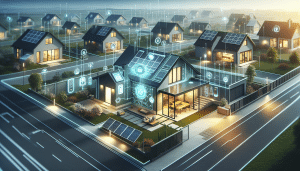
How Sustainable Real Estate Projects Influence Communities
Daniel Hughes September 18, 2025
Sustainability has shifted from being a niche concept to a central priority in industries across the globe, and real estate is no exception. In 2025, sustainable real estate projects are not only transforming the way buildings are designed and constructed but also reshaping how communities live, work, and interact. These projects focus on environmental responsibility, energy efficiency, and social well-being, creating ripple effects that extend far beyond individual buildings. This article explores how sustainable real estate projects influence communities, highlighting current trends, practical examples, and the broader implications for urban development.
Why Sustainable Real Estate Matters Today
The real estate sector accounts for nearly 40% of global carbon emissions, according to the International Energy Agency. With climate change accelerating and cities growing rapidly, the pressure is on developers to create projects that minimize environmental impact while supporting healthier, more resilient communities. Sustainable real estate projects—whether through green building certifications, smart energy systems, or eco-friendly urban planning—offer solutions that balance economic growth with social and environmental responsibility. For communities, the benefits go beyond cleaner air or lower utility bills. These projects can drive social equity, increase property values, and strengthen local economies, creating long-term advantages for residents and stakeholders alike.
Emerging Trends in Sustainable Real Estate for 2025
Several trends are shaping how sustainable real estate projects influence communities this year:
- Net-zero developments: Buildings designed to produce as much energy as they consume are becoming mainstream.
- Mixed-use eco-districts: Combining residential, commercial, and green spaces into one sustainable ecosystem.
- Smart technologies: Using sensors and AI to optimize energy use, water management, and air quality.
- Social sustainability: Prioritizing affordable housing, inclusivity, and community well-being alongside environmental goals.
These trends reflect a growing understanding that sustainability is not just about buildings but about creating holistic, livable environments.
Environmental Impact on Communities
One of the most direct ways sustainable real estate projects influence communities is through environmental benefits. Projects incorporating renewable energy sources, water recycling systems, and efficient waste management reduce strain on local infrastructure and resources. For example, LEED-certified buildings have been shown to reduce energy use by up to 25% and water consumption by 11% compared to conventional buildings. Cleaner energy and reduced emissions also improve air quality, which directly benefits community health. Green spaces integrated into sustainable developments further enhance biodiversity and provide residents with access to nature, which has been linked to lower stress levels and improved mental health.
Economic Advantages for Communities
Sustainable real estate projects often generate significant economic benefits at both local and regional levels. According to the World Green Building Council, green buildings can command higher rental rates and resale values, boosting property markets. Communities with sustainable developments also tend to attract more businesses and residents, fueling local economies. Furthermore, these projects create jobs in construction, technology, and maintenance, particularly in renewable energy and smart infrastructure. Energy-efficient buildings reduce utility costs for residents, freeing up disposable income that supports other local businesses. By aligning environmental responsibility with financial opportunity, sustainable projects create a positive economic cycle.
Social and Cultural Influence
Sustainable real estate projects influence communities not only environmentally and economically but also socially. Increasingly, developers are designing projects with inclusivity and well-being in mind. Features like affordable housing units within eco-developments ensure that sustainability is accessible rather than exclusive. Community centers, shared green spaces, and walkable layouts encourage social interaction, fostering stronger bonds among residents. According to a 2024 report by McKinsey, communities with integrated sustainability initiatives reported higher levels of satisfaction and civic engagement. Culturally, these projects often reflect local traditions and aesthetics, blending sustainability with community identity. This balance creates environments where people feel connected not just to their homes but also to each other.
Practical Examples of Sustainable Real Estate Influencing Communities
- The Bullitt Center in Seattle: Known as one of the greenest commercial buildings in the world, it generates its own energy and captures rainwater, serving as a model for how sustainable architecture can inspire broader community practices.
- BedZED in London: A pioneering eco-village that combines energy-efficient homes with green spaces and shared resources, showing how sustainable real estate can build social cohesion.
- Singapore’s Marina One: A mixed-use development that integrates biophilic design, public green spaces, and smart energy systems, enhancing both environmental sustainability and quality of life for residents.
These examples highlight how forward-thinking projects can shape community dynamics and set new benchmarks for sustainability.
Challenges in Scaling Sustainable Real Estate
While the benefits are clear, there are challenges that communities and developers face in scaling sustainable real estate. Higher upfront costs, regulatory hurdles, and limited access to sustainable materials can slow adoption. Additionally, ensuring that projects remain inclusive and do not contribute to gentrification is a critical concern. However, governments and investors are increasingly offering incentives, subsidies, and green financing solutions to overcome these barriers. As technology advances and costs fall, sustainable real estate is becoming more accessible, increasing its potential to influence communities on a larger scale.
How Communities Can Maximize Benefits
Communities play an active role in ensuring that sustainable real estate projects deliver long-term impact. Here are a few practical strategies:
- Engage residents early: Involving community members in planning ensures projects meet local needs.
- Promote education: Offering workshops on energy efficiency or waste reduction empowers residents to sustain practices beyond the building.
- Leverage partnerships: Collaborations between local governments, developers, and nonprofits can align projects with broader community goals.
- Ensure inclusivity: Incorporating affordable housing and accessible design prevents sustainability from becoming a luxury.
By participating actively, communities can help shape projects that benefit everyone, not just select groups.
The Broader Impact on Future Urban Development
Sustainable real estate projects influence communities in ways that extend beyond immediate neighborhoods. They serve as blueprints for future urban development, inspiring new standards for design, construction, and community planning. Cities adopting sustainable building practices are more resilient to climate risks, more attractive to businesses and residents, and better positioned for long-term growth. The ripple effects also include stronger global collaboration, as developers and policymakers exchange best practices to create greener, more inclusive cities.
Conclusion: Building Communities Through Sustainability
In 2025, sustainable real estate projects are no longer simply about reducing carbon footprints—they are about reshaping how communities live, thrive, and connect. By improving environmental conditions, creating economic opportunities, and fostering social inclusion, these projects influence communities in transformative ways. As governments, developers, and residents embrace sustainability, the future of real estate becomes inseparable from the future of community development. Sustainable real estate is not just changing skylines; it is redefining how people experience urban life, proving that what is good for the planet can also be good for people.
References
- How do you decarbonize real estate? An expert explains, https://www.weforum.org
- 40% of emissions come from real estate; https://www.unepfi.org
- Benefits of green building, https://www.usgbc.org

 Ways to Travel With Minimal Environmental Impact