Interior Decor Ideas That Improve Home Productivity
Daniel Hughes September 25, 2025
The way we design our living spaces has a direct effect on how we think, work, and perform. In the post-pandemic era, the home has become not only a personal retreat but also a primary workplace for millions. As hybrid work remains a global standard, people are seeking interior decor ideas that improve home productivity to balance comfort with efficiency. In 2025, this trend continues to evolve, driven by new design strategies, ergonomic solutions, and technology integration that transform homes into multifunctional spaces. This article explores emerging design trends, practical tips, and research-backed strategies to help create a productive home environment that enhances focus, creativity, and well-being.
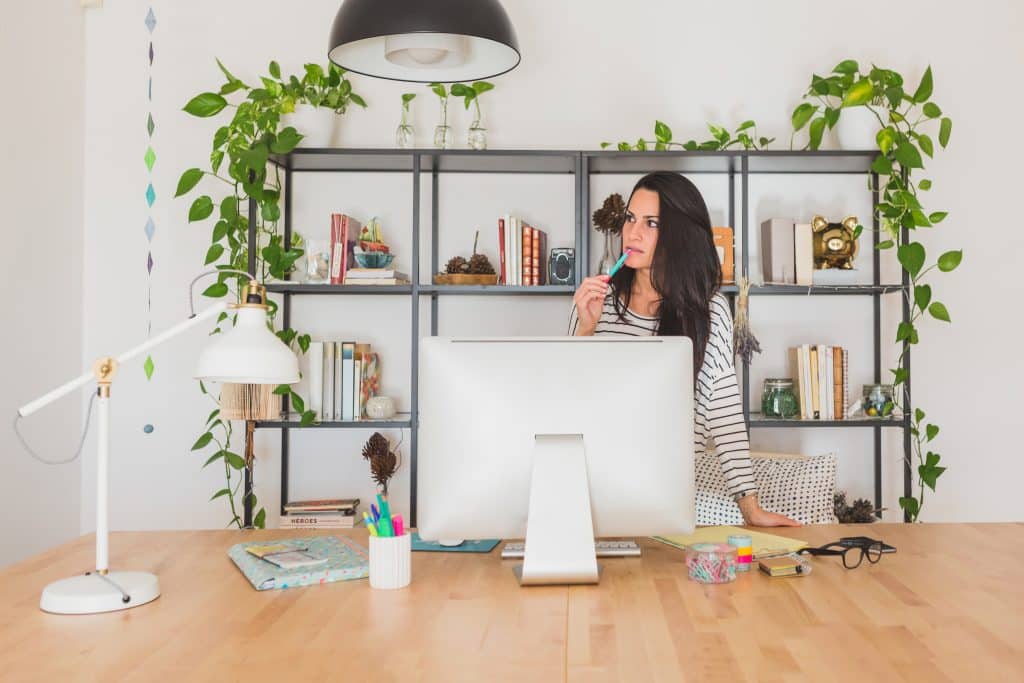
Why Interior Decor Affects Productivity
The design of a room can influence mood, concentration, and even physical health. Studies in environmental psychology show that well-designed spaces can reduce stress, increase focus, and support long-term productivity. According to a 2023 Harvard Business Review report, people working in thoughtfully designed home offices reported a 25% increase in task efficiency compared to those in poorly arranged spaces. Similarly, a study published in Frontiers in Psychology (2024) found that natural light, color schemes, and ergonomic furniture are critical to maintaining energy and motivation while working from home. This makes interior decor ideas that improve home productivity not just about style, but about supporting mental clarity and physical comfort.
Trend 1: Ergonomic Furniture as a Standard
Ergonomics is no longer optional—it’s an expectation. Adjustable chairs, standing desks, and posture-supporting accessories are now part of home office essentials. The U.S. Occupational Safety and Health Administration (OSHA) reports that poor posture during long work hours leads to musculoskeletal issues that reduce productivity. Practical tip: Choose a desk chair with lumbar support and an adjustable seat height. Pair it with a desk setup that keeps screens at eye level to reduce strain.
Trend 2: Biophilic Design for Focus and Calm
Bringing nature indoors is a growing trend that directly boosts productivity. Biophilic design incorporates natural elements like plants, wood textures, and natural light into interiors. The World Green Building Council (2024) reported that exposure to natural elements indoors can increase productivity by up to 15%. Practical tip: Add low-maintenance plants such as snake plants, pothos, or succulents to your workspace. Place your desk near a window to maximize daylight exposure.
Trend 3: Smart Lighting Solutions
Lighting is one of the most overlooked aspects of productivity. In 2025, smart lighting systems that mimic natural circadian rhythms are on the rise. These systems adjust brightness and color temperature throughout the day to maintain focus and reduce eye strain. According to research in Building and Environment (2024), workers exposed to dynamic lighting reported better concentration and less fatigue. Practical tip: Use adjustable LED desk lamps or smart bulbs that transition from cool light in the morning to warmer light in the evening.
Trend 4: Minimalist Layouts to Reduce Distractions
Cluttered environments often lead to mental fatigue. Minimalist design, which emphasizes clean lines, open spaces, and functional furniture, supports mental clarity. A Princeton University study (2023) found that people in organized environments completed tasks 20% faster compared to those surrounded by clutter. Practical tip: Keep your work area simple by removing unnecessary decor. Use storage solutions like shelves, baskets, and drawers to keep items organized and out of sight.
Trend 5: Zoning for Work and Rest
Hybrid lifestyles blur the line between personal and professional life. In 2025, zoning—designating specific areas for work, relaxation, and creativity—is becoming a popular solution. Even in small apartments, visual and physical boundaries can make a difference. Practical tip: Use room dividers, rugs, or furniture placement to separate your workspace from living areas. This separation improves focus during work and helps you mentally “switch off” afterward.
Trend 6: Acoustic Solutions for Concentration
Noise pollution is a major distraction for remote workers. Soundproofing and acoustic decor are gaining popularity. From wall panels to sound-absorbing rugs, these solutions create quieter environments that support concentration. The American Institute of Architects (2024) highlighted acoustic comfort as one of the top design priorities for residential workspaces. Practical tip: Invest in thick curtains, rugs, or acoustic panels to reduce noise. Noise-canceling headphones can also improve focus when external noise is unavoidable.
Trend 7: Personalization for Motivation
While minimalism helps reduce distractions, personalization creates motivation. Displaying personal items like art, books, or inspirational quotes makes a workspace feel energizing and meaningful. A University of Exeter study (2023) found that personalized workspaces improved productivity by 15%. Practical tip: Add decor that reflects your personality but avoid clutter. A few meaningful items are enough to inspire without overwhelming.
Trend 8: Tech-Integrated Furniture and Decor
The integration of technology into furniture is one of the newest trends. Desks with built-in charging stations, cable management systems, and wireless hubs are now widely available. This reduces digital clutter and keeps workstations efficient. Practical tip: Upgrade to furniture that integrates charging ports and cable systems. This keeps your workspace tidy and reduces time wasted managing cords and devices.
Trend 9: Color Psychology in Interiors
Color has a direct effect on mood and productivity. In 2025, home offices are being designed with purposeful color schemes. Blue tones enhance focus, green reduces stress, and yellow stimulates creativity. A study in Journal of Environmental Psychology (2023) confirmed that different colors directly influence cognitive performance. Practical tip: Paint a feature wall in a calming or stimulating color depending on your work style. Add accents such as cushions, artwork, or decor items in productivity-enhancing hues.
Trend 10: Hybrid Spaces for Flexibility
As homes increasingly serve multiple functions, hybrid spaces are designed for versatility. Furniture that folds, expands, or adapts allows one room to serve as both a work hub and a relaxation area. Ikea’s 2025 catalog features multifunctional pieces designed for hybrid living, reflecting the growing demand. Practical tip: Use convertible furniture, such as foldable desks or sofa beds, to create spaces that adapt to both work and leisure needs.
Practical Guide: Applying Interior Decor Ideas for Productivity
Here are steps to implement these ideas in your own space:
- Choose ergonomic furniture to support posture.
- Incorporate plants and natural light for biophilic benefits.
- Use smart lighting to align with circadian rhythms.
- Keep your workspace clutter-free with minimalist design.
- Create separate zones for work and relaxation.
- Add acoustic solutions for a quieter environment.
- Personalize your workspace with meaningful decor.
- Invest in tech-integrated furniture for efficiency.
- Select colors that match your productivity needs.
- Adopt multifunctional furniture for hybrid living.
Conclusion: Designing Homes for Productivity and Well-Being
The demand for interior decor ideas that improve home productivity will continue to grow as remote and hybrid work remain central to modern life. By focusing on ergonomics, biophilic design, smart lighting, and personalization, homeowners can create spaces that balance efficiency and comfort. These trends reflect a broader movement toward homes that are not only stylish but also supportive of mental clarity, physical health, and emotional well-being. Whether you are redesigning an entire office or making small adjustments, the right decor decisions can transform your home into a space that fuels productivity and inspires creativity every day.
References
- Human-Centric Lighting Design: https://www.mdpi.com
- The future of office spaces: https://archipro.co.nz
- Human-Centric Lighting Design: https://www.mdpi.com

 Fitness Routines That Enhance Strength and Flexibility