Fitness Challenges That Are Fun for All Ages
Sophia Clarke September 29, 2025
In 2025, fitness trends are evolving to focus less on rigid workout routines and more on creating enjoyable, inclusive activities that engage people across generations. Families, communities, and workplaces are embracing group-based activities that are both motivating and social. Fitness challenges that are fun for all ages are not just about exercise—they’re about fostering connection, boosting mental health, and making physical activity something to look forward to. From gamified fitness apps to intergenerational step competitions, these challenges are transforming the way people stay active together.
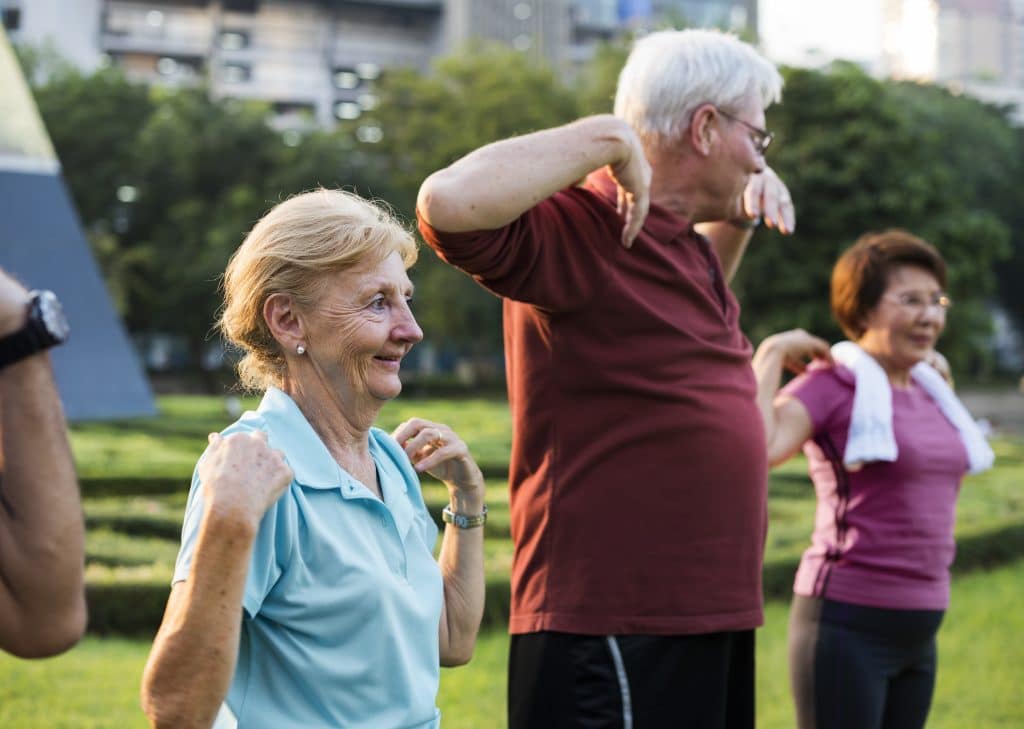
Why Fitness Challenges Are Popular in 2025
Fitness has long been tied to goals such as weight loss, endurance, or strength. While these remain important, people today are also looking for enjoyment and sustainability in their wellness routines. Studies show that individuals are more likely to maintain an exercise habit if they find it enjoyable and social. According to the American Council on Exercise (2024), group-based fitness challenges improve adherence rates by more than 50% compared to solo exercise programs. Families are increasingly using these challenges as bonding opportunities, while workplaces implement them to encourage healthier employees. Fitness challenges that are fun for all ages represent a major cultural shift toward wellness as a shared lifestyle.
The Role of Technology in Fitness Challenges
Technology is one of the biggest drivers of innovation in fitness challenges. Gamified apps like Strava, FitOn, and Apple Fitness+ are introducing community-based challenges where users can compete with friends or family members across the globe. Virtual leaderboards, achievement badges, and real-time progress tracking make it easier to stay motivated. Many platforms now allow parents and kids to join the same challenge, ensuring that fitness becomes a shared family activity rather than an individual pursuit. Technology has effectively removed barriers, enabling people of all ages and fitness levels to participate.
Popular Fitness Challenges That Are Fun for All Ages
1. Step Count Competitions
One of the simplest and most popular fitness challenges involves tracking daily steps. Families or groups can set shared goals, such as walking 10,000 steps a day, and compare progress on apps or wearables. Step challenges are inclusive because they don’t require special skills or equipment—just movement throughout the day. Schools and workplaces have adopted step competitions as part of wellness programs, making them a universal choice among fitness challenges that are fun for all ages.
2. Family Fitness Bingo
Fitness bingo is gaining popularity as a playful way to encourage activity. Participants receive a bingo card with different exercises or challenges (e.g., 20 squats, 15 push-ups, a 10-minute walk). Completing a line or filling the card becomes a fun objective for both kids and adults. This gamified approach transforms exercise into a family-friendly competition and can easily be adjusted for different fitness levels.
3. Virtual Adventure Races
Virtual races allow participants to log their daily miles—whether walking, biking, or running—and track progress on a map of a famous route, such as the Great Wall of China or Route 66. Families can “travel” together without leaving their neighborhood. This kind of challenge combines fitness with imagination and exploration, which appeals to younger participants while keeping adults engaged.
4. 30-Day Fitness Challenges
These challenges provide a structured approach with daily activities, such as planks, yoga poses, or cardio bursts. The progression over 30 days makes the challenge manageable and rewarding. Many social media communities organize 30-day challenges, making it easy to find support and accountability partners. Since exercises can be modified for kids or seniors, this format is one of the most adaptable examples of fitness challenges that are fun for all ages.
5. Dance and Movement Challenges
With platforms like TikTok influencing how people engage with movement, dance challenges have become an intergenerational activity. Families often record themselves completing dance routines, turning fitness into entertainment. These challenges are particularly inclusive, as they prioritize rhythm and fun over athletic ability.
The Benefits of Fitness Challenges
Fitness challenges that are fun for all ages provide more than just physical benefits. They support social, emotional, and cognitive well-being as well. Key advantages include:
- Accountability and motivation: Competing with friends or family creates accountability, making participants more likely to stick with the challenge.
- Mental health improvement: Group-based fitness reduces feelings of isolation and increases motivation, according to research from the National Institutes of Health (2024).
- Family bonding: Shared challenges provide structured opportunities for families to spend quality time together.
- Accessibility: Many challenges can be adapted to any skill level or age, making them inclusive for seniors, children, and individuals with different fitness abilities.
Emerging Trends in Fitness Challenges
Gamification and Rewards
Gamification is expanding beyond step counters. In 2025, some fitness apps integrate augmented reality, where participants can “unlock” achievements in virtual worlds through physical activity. Companies are also partnering with wellness brands to offer tangible rewards, such as discounts or free products, when participants meet milestones.
Workplace Wellness Programs
More employers are investing in workplace fitness challenges as part of comprehensive health programs. These challenges often include step competitions, mindfulness sessions, or hydration tracking. They reduce healthcare costs while improving employee morale and productivity.
Intergenerational Fitness
There is growing emphasis on designing challenges that engage both children and older adults. For example, balance-based yoga challenges can help seniors while also appealing to kids with playful poses. Intergenerational fitness challenges are redefining how families and communities approach wellness.
Outdoor Adventure Challenges
Post-pandemic, outdoor fitness remains highly valued. Hiking, biking, and park-based scavenger hunts are being organized as family fitness challenges. These combine physical activity with nature exploration, reinforcing health benefits while promoting sustainability.
How to Start a Fitness Challenge for All Ages
Launching a successful fitness challenge requires thoughtful planning. Here are steps to make it effective and enjoyable:
- Define the objective – Is the goal to increase daily movement, improve strength, or encourage family bonding?
- Choose an inclusive activity – Walking, dancing, or yoga ensures that everyone can participate.
- Set realistic milestones – Start small and gradually increase difficulty to prevent burnout.
- Use technology for tracking – Wearables and apps make progress visible and rewarding.
- Celebrate achievements – Recognize milestones with certificates, family outings, or simple praise to reinforce positive behavior.
Conclusion
Fitness challenges that are fun for all ages are reshaping how people approach health in 2025. By blending movement with play, gamification, and community, these challenges create inclusive opportunities for families, workplaces, and communities to stay active together. From step count competitions to dance routines, the emphasis is on enjoyment, adaptability, and sustainability. As health and wellness continue to evolve, these challenges demonstrate that fitness does not have to be solitary or strenuous—it can be a joyful, shared experience that benefits body, mind, and relationships.
References
- Incorporating a Sense of Community in a Group Exercise, https://www.researchgate.net
- Perceptions of groupness during fitness classes, https://pmc.ncbi.nlm.nih.gov
- Group exercise membership is associated with forms of social support, https://pmc.ncbi.nlm.nih.gov

 Travel Experiences That Encourage Mindful Exploration