Travel Experiences That Encourage Mindful Exploration
Daniel Hughes September 29, 2025
In 2025, travel is no longer only about seeing new places—it’s about experiencing them with intention. A growing number of travelers are choosing journeys that prioritize mindfulness, reflection, and meaningful connections with local communities. Travel experiences that encourage mindful exploration are becoming one of the most significant trends in tourism, reshaping how people plan, experience, and remember their trips. This approach emphasizes slowing down, being present, and engaging deeply with the environment, rather than rushing through bucket-list destinations. From wellness retreats and slow travel itineraries to cultural immersion and eco-friendly tourism, mindful exploration is transforming the way people engage with the world.
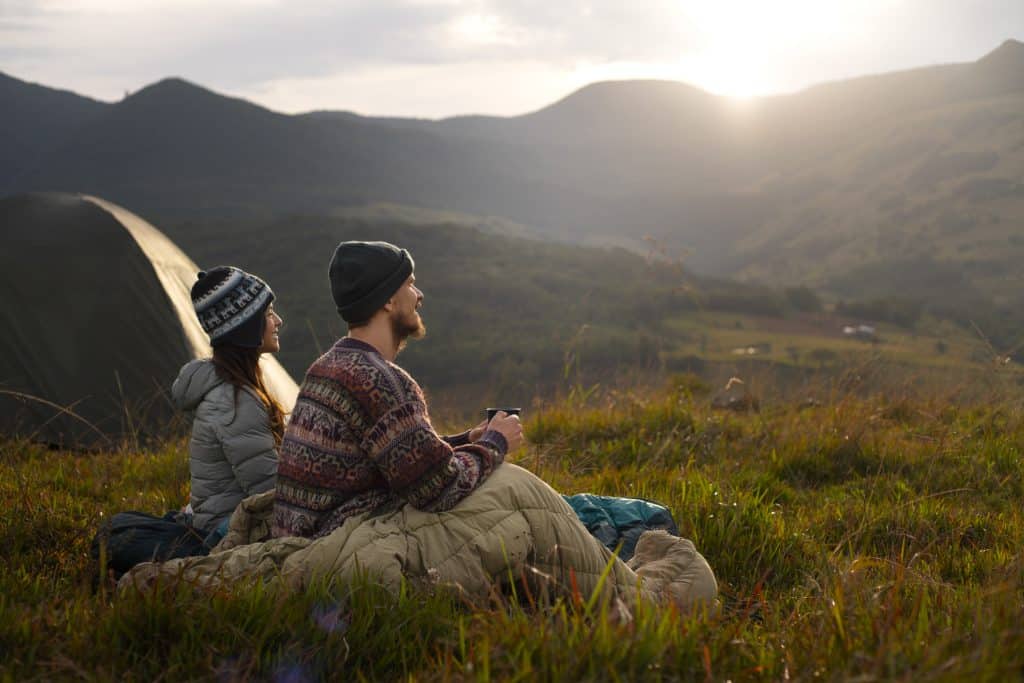
Why Mindful Exploration Is Growing in Popularity
Mindful exploration stems from a global shift in values. After years of fast-paced lifestyles and pandemic-related restrictions, many travelers are seeking depth rather than speed. According to a 2024 Skift report, over 70% of travelers now say they prefer experiences that help them connect more meaningfully with destinations rather than simply checking off popular sites. This reflects a growing awareness of how travel affects mental health, local economies, and the environment. Travel experiences that encourage mindful exploration align with these values by offering slower, more immersive, and more conscious ways to explore the world.
The Principles of Mindful Travel
Mindful travel isn’t about luxury or expense—it’s about perspective. Several principles define travel experiences that encourage mindful exploration:
- Presence: Focusing on the moment and reducing distractions, such as overuse of technology.
- Connection: Building authentic interactions with local people and cultures.
- Sustainability: Choosing eco-friendly travel methods and respecting the environment.
- Reflection: Allowing time for journaling, meditation, or quiet appreciation during trips.
These principles not only enhance personal well-being but also create more respectful and meaningful relationships between travelers and the places they visit.
Emerging Trends in Mindful Travel
Slow Travel
Slow travel is perhaps the most prominent form of mindful exploration. Instead of hopping between multiple destinations, travelers spend extended periods in one place, experiencing daily life and immersing themselves in local culture. This could mean renting an apartment in a small European town or joining a homestay in Southeast Asia. Slow travel reduces stress, supports local businesses, and reduces the environmental footprint of tourism.
Wellness and Retreat Tourism
Wellness-focused trips are surging in popularity, blending fitness, meditation, and holistic health practices with cultural exploration. Retreats in locations like Bali, Costa Rica, and the Greek islands combine yoga and meditation with eco-living and community activities. These travel experiences that encourage mindful exploration appeal to individuals seeking restoration for both body and mind.
Eco-Friendly and Sustainable Tourism
Eco-conscious travelers are prioritizing low-impact activities such as cycling tours, hiking trips, and eco-lodge stays. According to Booking.com’s 2024 Sustainable Travel Report, 74% of global travelers said they want more sustainable travel options. Choosing local transportation, staying in eco-certified hotels, or engaging in conservation efforts are ways travelers combine exploration with responsibility.
Cultural Immersion Experiences
Mindful travel often emphasizes authentic cultural interactions. Participating in cooking classes, volunteering in local projects, or attending traditional festivals allows travelers to connect beyond surface-level tourism. Platforms such as Airbnb Experiences and Withlocals make it easier to find cultural exchanges that create lasting memories.
Digital Detox Travel
With increasing dependence on technology, digital detox retreats are trending. These trips encourage visitors to put away their devices and reconnect with nature, people, and themselves. National parks, wellness resorts, and even some cruise lines now offer programs designed to help travelers disconnect from screens. Digital-free travel experiences that encourage mindful exploration help reduce stress and promote mental clarity.
Practical Guide: How to Travel Mindfully
Adopting mindful exploration doesn’t require a complete lifestyle overhaul. Here are simple, actionable steps to make travel more intentional:
- Plan less, experience more – Leave room for spontaneous discoveries instead of packing every day with activities.
- Choose fewer destinations – Spend more time in one place rather than rushing between many.
- Engage with locals – Learn basic phrases, shop at local markets, and respect cultural norms.
- Be sustainable – Use public transport, bring a reusable water bottle, and support eco-conscious businesses.
- Practice mindfulness daily – Dedicate time for journaling, meditation, or simply observing your surroundings.
- Unplug – Limit technology use to emergencies and navigation, allowing full presence in the experience.
- Travel light – Pack only essentials to reduce stress and stay flexible.
Benefits of Mindful Exploration
Travel experiences that encourage mindful exploration provide long-term benefits for both individuals and the world.
- Personal well-being: Mindful travel reduces stress, promotes mental clarity, and fosters gratitude.
- Deeper cultural appreciation: Slowing down helps travelers truly understand and respect the traditions of the places they visit.
- Environmental sustainability: Reduced flights and eco-conscious practices help limit environmental impact.
- Stronger relationships: Shared mindful experiences create lasting connections with fellow travelers and local communities.
By shifting focus from quantity to quality, mindful travel offers a fulfilling and sustainable alternative to fast-paced tourism.
Examples of Destinations Leading Mindful Exploration
- Bhutan: Known for its Gross National Happiness index, Bhutan emphasizes mindful tourism with sustainable practices and immersive cultural experiences.
- Costa Rica: A leader in eco-tourism, Costa Rica offers rainforest lodges, wildlife tours, and wellness retreats focused on mindfulness and sustainability.
- Kyoto, Japan: Famous for its temples, gardens, and tea ceremonies, Kyoto promotes slow, reflective travel experiences that encourage mindful exploration.
- Portugal’s Alentejo Region: With its slow pace, vineyard tours, and rural landscapes, Alentejo is ideal for travelers seeking simplicity and mindfulness.
The Future of Mindful Travel
Looking ahead, mindful exploration will likely expand as travelers continue prioritizing meaningful, sustainable experiences. Advances in technology will help facilitate sustainable booking and eco-friendly itineraries, while demand for immersive, reflective travel will rise among younger generations. Tourism boards are already beginning to adapt, offering “slow travel” packages, community-based experiences, and eco-certifications. In 2025 and beyond, travel experiences that encourage mindful exploration are set to become more than a trend—they are shaping the future of global tourism.
Conclusion
Travel in 2025 is about more than reaching a destination—it’s about how we experience it. Travel experiences that encourage mindful exploration represent a growing movement that emphasizes presence, connection, sustainability, and reflection. From slow travel and wellness retreats to eco-tourism and cultural immersion, mindful exploration offers a more enriching and responsible way to see the world. As travelers continue seeking deeper connections and more sustainable practices, these experiences are proving that slowing down often leads to the most rewarding journeys.
References
- 5 Travel Trends: Moving toward Slow, Mindful Travel, https://worldcomgroup.com
- 2025 TRAVEL TRENDS: Connection & culture, https://spaexecutive.com
- 5 Wellness Travel Trends to Try in 2025, https://www.tripit.com

 How Digital Marketing Drives Startup Success