Nutrition Practices That Enhance Energy and Focus
Sophia Clarke October 1, 2025
In today’s fast-paced world, many people struggle with fatigue, brain fog, and lack of productivity. While sleep, exercise, and stress management all play important roles in overall performance, nutrition is one of the most powerful tools for supporting both physical stamina and mental clarity. Nutrition practices that enhance energy and focus are becoming a hot topic in 2025, as more individuals seek science-backed strategies to perform better in daily life. With the rise of functional foods, personalized nutrition, and new research on the gut-brain connection, the way we fuel ourselves is transforming.

Why Nutrition Matters for Energy and Focus
The human brain accounts for only about 2% of body weight but consumes roughly 20% of daily energy intake. This means that what we eat directly affects cognitive function, concentration, and even mood. Similarly, our bodies rely on consistent fuel to maintain stable energy levels throughout the day. Poor dietary choices—like ultra-processed foods high in sugar and refined carbohydrates—can lead to spikes and crashes in blood sugar, leaving us tired and unfocused. On the other hand, adopting nutrition practices that enhance energy and focus can stabilize productivity, improve resilience to stress, and sharpen decision-making skills.
Emerging Trends in Nutrition for Energy and Focus
In 2025, several nutrition trends are shaping the way people approach diet for better performance.
1. Functional Foods and Nootropics
Functional foods are those that provide health benefits beyond basic nutrition, such as boosting brain power or reducing fatigue. Nootropics, sometimes called “smart foods,” are increasingly integrated into diets. Ingredients like L-theanine (found in green tea), omega-3 fatty acids, and adaptogenic herbs such as ashwagandha and rhodiola are being added to snacks, beverages, and supplements marketed toward focus and energy enhancement.
2. The Gut-Brain Connection
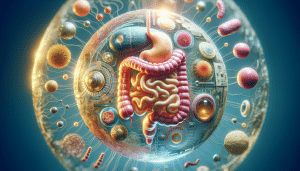
Scientists are finding that gut health plays a major role in cognitive function. Probiotics, prebiotics, and fermented foods like yogurt, kimchi, and kefir are being studied for their ability to improve memory, concentration, and emotional well-being. This area of research is expanding rapidly, with many nutritionists recommending gut-friendly diets to enhance energy and focus.
3. Time-Restricted Eating
Instead of focusing solely on what to eat, more people are paying attention to when they eat. Time-restricted eating, a form of intermittent fasting, has gained traction for its potential to improve metabolic health and boost mental clarity. Many find that shorter eating windows reduce mid-afternoon slumps and enhance productivity.
4. Personalized Nutrition
With advances in genetic testing and wearable technology, personalized nutrition plans are becoming more common. Tailored diets can optimize energy and focus based on individual needs, helping people avoid one-size-fits-all approaches and instead target what truly works for them.
Core Nutrition Practices That Enhance Energy and Focus
While trends are helpful for insight, there are timeless, research-backed strategies that can reliably support better energy and mental clarity.
1. Prioritize Balanced Meals
Balanced meals with a mix of complex carbohydrates, lean proteins, and healthy fats help maintain stable blood sugar levels. Examples include quinoa with salmon and vegetables, or eggs with avocado on whole-grain toast. Complex carbs provide steady fuel, proteins support neurotransmitter production, and fats such as omega-3s enhance brain health.
2. Stay Hydrated
Even mild dehydration can reduce concentration and alertness. Drinking enough water throughout the day is one of the simplest yet most effective nutrition practices that enhance energy and focus. Herbal teas, mineral water, and water-rich fruits like cucumbers and oranges also help maintain hydration.
3. Choose Brain-Boosting Foods
Certain foods are known for their cognitive benefits. Blueberries, leafy greens, nuts, seeds, and oily fish have been repeatedly linked to improved memory and focus. Regularly incorporating these into the diet supports both short-term performance and long-term brain health.
4. Reduce Processed Sugars
Sugar can provide a quick boost of energy, but it often leads to a crash that hampers productivity. Opting for natural sweeteners like fruit, honey, or dark chocolate in moderation provides satisfaction without the same sharp drop in focus.
5. Embrace Small, Frequent Meals
For some individuals, eating smaller, nutrient-dense meals throughout the day helps prevent energy dips. Foods like Greek yogurt with nuts, apple slices with almond butter, or hummus with vegetables provide quick, balanced fuel without overwhelming the digestive system.
6. Support Gut Health
Incorporating fermented foods and fiber-rich options such as legumes, whole grains, and vegetables can improve gut microbiota. This supports neurotransmitter production, including serotonin, which influences both mood and concentration.
7. Limit Caffeine, But Use It Strategically
Caffeine is a widely used stimulant that can improve alertness. However, too much can cause jitters, anxiety, or disrupted sleep. Pairing caffeine with L-theanine (as in green tea) or consuming it earlier in the day can maximize its benefits without negative side effects.
Practical Daily Guide for Energy and Focus
To apply these nutrition practices, here’s an easy-to-follow daily approach:
- Morning: Start with a protein-rich breakfast such as eggs with spinach, oatmeal with nuts, or a smoothie with protein powder, berries, and greens. This sets the tone for sustained energy.
- Midday: A balanced lunch with lean protein, whole grains, and vegetables helps prevent the classic afternoon slump. Examples include grilled chicken with quinoa salad or tofu stir-fry with brown rice.
- Afternoon snack: Opt for nutrient-dense options like trail mix, dark chocolate with almonds, or a green tea. These choices provide energy without the crash.
- Dinner: A lighter but nourishing meal, such as salmon with roasted vegetables or lentil soup, supports recovery and prepares the body for restful sleep.
- Hydration: Aim for consistent water intake, and consider herbal teas like peppermint or chamomile in the evening.
Science-Backed Evidence
Research supports many of these nutrition practices that enhance energy and focus. A study published in Nutrients (2020) found that diets rich in fruits, vegetables, fish, and whole grains were consistently associated with improved cognitive performance. Another review in Frontiers in Nutrition (2021) emphasized the role of hydration in sustaining attention and memory. Additionally, research in Nature Reviews Gastroenterology & Hepatology (2022) highlighted the strong relationship between gut health and brain function, further validating the importance of dietary choices in mental performance.
Looking Ahead: The Future of Nutrition for Performance
The future of nutrition is moving toward personalization and integration with technology. As more individuals adopt wearable devices that track sleep, blood glucose, and activity levels, dietary choices will become even more tailored. Companies are already experimenting with nutrient-specific supplements and food products designed to meet cognitive needs. Meanwhile, sustainability will continue to influence choices, with plant-based and environmentally conscious diets becoming more mainstream.
Nutrition practices that enhance energy and focus will remain central to health trends, as people recognize the direct link between food choices and daily performance. In a culture where productivity and mental clarity are highly valued, nutrition will continue to serve as both a preventative tool and a performance enhancer.
References
- Top Health and Nutrition Trends 2025, https://www.innovamarketinsights.com
- Nutritional Modulation of the Gut–Brain Axis: https://www.mdpi.com
- Positive nutrition: shifting the focus from nutrients to diet for a healthy lifestyle, https://pmc.ncbi.nlm.nih.gov

 Smart Home Innovations That Save Time