Smart Home Innovations That Save Time
Noah Bennett October 1, 2025
Smart homes are no longer futuristic concepts—they are here, growing more advanced every year, and reshaping the way people live. In 2025, smart home innovations that save time have become a hot topic because households are looking for ways to manage their busy schedules with ease. From voice-activated assistants to AI-powered appliances, the latest technologies not only streamline daily routines but also give people back the one thing they need most: time. This article explores the most important trends in smart home technology, how they are transforming daily life, and why these innovations matter.
The Rise of AI-Driven Smart Homes
Artificial intelligence has become the backbone of modern smart home systems. Unlike earlier versions that required manual setup and constant adjustments, today’s AI-powered smart homes learn from user behavior and adapt automatically. For example, a smart thermostat can track your patterns, adjust the temperature based on your presence, and even reduce energy use when you are away. AI makes decisions in the background, meaning fewer interruptions for the homeowner. According to recent industry reports, AI adoption in home automation continues to climb because it eliminates the need for constant manual control. This automation translates directly into saved time, as people no longer need to think about small household tasks that once took minutes each day.
Voice Assistants as the New Remote Control
One of the most visible smart home innovations that save time is the voice assistant. Tools like Amazon Alexa, Google Assistant, and Apple’s Siri have evolved from simple command systems into powerful home management hubs. Voice control removes the need to search for remotes, tap on screens, or walk across the room to adjust devices. A single spoken sentence can dim lights, change the thermostat, lock doors, or even order groceries. Beyond convenience, this trend points to a larger shift: homes are moving toward hands-free interaction. This has proven especially valuable in multitasking scenarios, such as cooking dinner while asking for recipe steps or checking the weather while getting children ready for school.
Smart Kitchens Designed for Efficiency
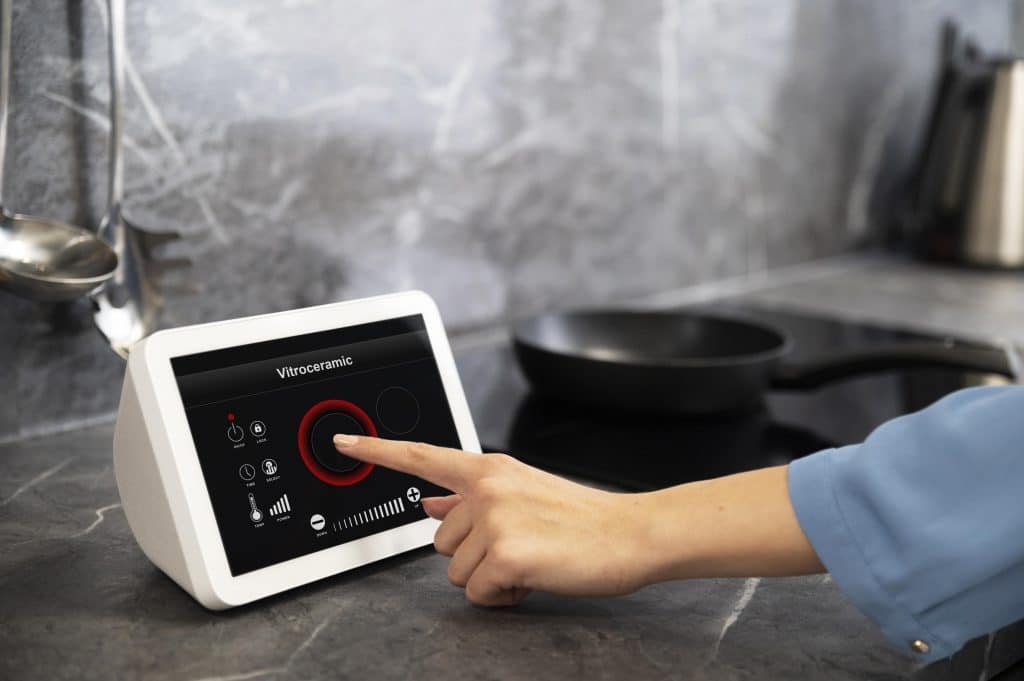
The kitchen, often the busiest room in a home, has become a key focus for smart home developers. Smart refrigerators can now scan their contents, suggest recipes, and even create automated shopping lists. Smart ovens preheat themselves at scheduled times or recognize what you are cooking and adjust settings accordingly. Dishwashers with AI can detect load sizes and adjust water usage without manual input. These devices do more than just add novelty; they reduce time spent managing meals and clean-up, helping families free up valuable hours every week.
Automation in Cleaning and Home Maintenance
Another breakthrough in smart home innovations that save time is the growth of automated cleaning and maintenance devices. Robotic vacuum cleaners and mops, once considered luxury items, are now becoming mainstream. Newer versions can map entire homes, empty their dust bins automatically, and integrate with other smart devices to schedule cleaning when nobody is home. Similarly, smart lawnmowers and window-cleaning robots are entering the consumer market, reducing the hours people once dedicated to housework. Over time, these devices are not just making chores easier; they are removing them from daily life almost entirely.
The Importance of Integration and Interconnectivity
One of the key challenges with early smart home systems was fragmentation. Devices from different brands did not always work together smoothly. Today, interconnectivity has become a defining trend. Platforms like Matter, a universal smart home standard, aim to ensure that devices from different manufacturers can communicate seamlessly. This integration saves time because homeowners no longer need to manage separate apps or troubleshoot compatibility issues. Instead, all devices operate in harmony, controlled through a single system. This level of cohesion is critical as homes become increasingly complex and connected.
Smart Security Systems that Simplify Safety
Home security has also undergone significant transformation. Smart locks, video doorbells, and AI-driven surveillance cameras now provide homeowners with both safety and efficiency. Instead of physically checking doors or relying on traditional alarm systems, people can now control access remotely, receive instant notifications, and review security footage in seconds. This rapid, streamlined approach saves time compared to older systems while also reducing stress. In many cases, these tools prevent the need for emergency responses by alerting homeowners to potential risks early.
Personalized Routines with Smart Lighting and Energy Management
Smart lighting has moved beyond simple on/off schedules. Modern systems allow homeowners to create personalized routines that match their daily patterns. For instance, lights can gradually brighten in the morning to simulate sunrise or dim automatically at bedtime. Energy management systems track usage in real time, helping users save money while avoiding the hassle of constant monitoring. These tools provide both comfort and efficiency, reducing the cognitive load of managing a household. For many families, automated energy adjustments also align with sustainability goals, adding another layer of value.
Health and Wellness Through Smart Homes
Time savings in smart homes extend beyond convenience and into wellness. Devices such as smart air purifiers, sleep trackers, and water monitoring systems work in the background to improve quality of life. A smart bed can adjust firmness during the night based on movement, helping users wake up more refreshed without needing to tinker with controls. Health-focused wearables that connect to home systems can suggest adjustments to lighting, temperature, or humidity to improve comfort. These subtle but impactful changes mean fewer disruptions and better productivity throughout the day.
Emerging Trend: Predictive Automation
Looking forward, one of the most exciting developments is predictive automation. Unlike current systems that react to commands or schedules, predictive systems anticipate needs before they arise. Imagine a home that starts brewing coffee as soon as it detects you waking up or adjusts the shower temperature based on your typical morning routine. These advancements are powered by AI and data analytics, turning smart homes into proactive spaces rather than reactive tools. Predictive automation represents the next phase in smart home innovations that save time, and many companies are investing heavily in this technology.
Challenges to Consider
Despite the many benefits, there are still challenges associated with smart home adoption. Cost remains a barrier for many households, and while prices are dropping, not all consumers are ready to invest in full systems. Privacy and data security also continue to be important concerns, as smart devices often collect sensitive personal information. Additionally, reliance on constant internet connectivity poses risks if outages occur. These challenges must be addressed to ensure that smart homes become widely accessible and truly reliable in saving time.
Conclusion: A Future Where Time Returns to People
The demand for smart home innovations that save time reflects a larger cultural shift. People today are stretched thin between work, family, and personal responsibilities, and technology offers a solution that gives them back control over their schedules. From AI-driven appliances and predictive automation to seamless integration across platforms, the modern smart home is evolving into a system that works quietly in the background to reduce the time and energy people spend on daily tasks. While challenges remain, the direction is clear: the future home will not just be smarter; it will give people the freedom to focus on what truly matters.
References
- Soon, setting up Matter-certified smart home devices, https://www.business-standard.com
- Here’s What the ‘Matter’ Smart Home Standard Is All About, https://www.wired.com
- BSH drives Matter connectivity standard forward for home appliances, https://press.bsh-group.com

 Fitness Practices That Fit Any Schedule