You Might Be Missing These Hidden Gut Health Signs
Sophia Clarke September 26, 2025
Gut health affects more than digestion; it can shape mood, immunity, and energy without you realizing. Explore overlooked symptoms, how lifestyle impacts your gut microbiome, and the subtle signs that might reveal more than you think about your overall wellness.
The Gut Microbiome and Your Wellbeing
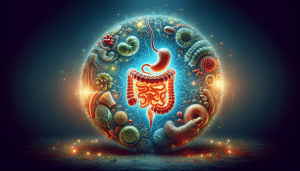
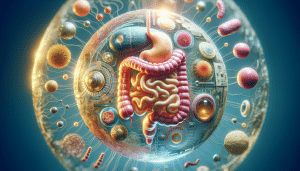
Many people underestimate the role the gut microbiome plays in their daily vitality. The collection of trillions of bacteria, fungi, and other microorganisms living in your digestive tract has far-reaching influence – affecting not just digestion but also emotional wellbeing and even cognitive sharpness. Experts have identified a strong gut-brain axis, showing direct communication between your gut and mind when it comes to things like stress response and mood changes. When the gut’s microbial community is out of balance, it’s not just stomach troubles that emerge; issues like fatigue, anxiety, and even trouble concentrating might arise as part of the picture. Recent studies reveal that a disrupted microbiome can contribute to systemic inflammation, which is being connected to everything from joint pain to brain fog.
One interesting fact is how gut health correlates with immunity. Approximately 70% of immune cells reside in the gut lining, working alongside beneficial microbes to fend off invaders. This means that if you struggle with persistent colds, allergies, or feel generally run down, your gut health might be playing a silent part. Poor dietary habits, excessive antibiotics, and constant stress can all compromise this fine balance, making it important to nurture the friendly bacteria that keep you thriving. Recognizing this connection may prompt exploration of both nutrition and simple lifestyle tweaks to support resilience.
Far from just handling the breakdown of food, gut bacteria also produce essential nutrients, modulate hormones, and even influence how the body handles sugar and fat. Researchers continue to uncover new roles for the gut microbiome in conditions like autoimmune disorders and metabolic problems. For those seeking holistic well-being, the gut is becoming a major focal point. Individuals often find that by caring for this inner ecosystem—through tailored nutrition, mindful eating, and stress management—they experience improvements in multiple facets of health, not just digestion.
Lesser-Known Signs Your Gut Could Be Out of Balance
While bloating, discomfort, and irregularity are classic red flags, the gut also sends subtler distress signals. Unexplained skin issues, such as persistent breakouts or redness, often have links to dysbiosis, an imbalance in beneficial and harmful microbes. Even cravings—for sugar or processed foods—can reflect disruptions in gut flora, as certain bacteria produce substances that influence appetite and reinforce patterns many try to change. Additionally, chronic bad breath or a coated tongue sometimes suggest microbial imbalances even when oral hygiene is solid.
Emotional symptoms are another surprisingly common extension of gut health. People experiencing frequent mood swings, irritability, or anxiety may be witnessing the influence of gut inflammation on neurotransmitter production. Serotonin, the “feel-good” chemical, is largely made in the gut; thus, chronic stress or a diet low in fiber and fermented foods can leave the body less equipped to handle emotional ups and downs. Although it may seem unrelated at first glance, fluctuations in mental wellbeing often resolve when the underlying gut environment is restored.
Other overlooked clues include heightened food sensitivities and poor sleep quality. If seemingly healthy foods start causing discomfort or fatigue, the gut lining may be inflamed and more permeable (“leaky gut”). This can spark immune reactions and zaps energy throughout the day. Similarly, the gut impacts the body’s sleep-wake cycles via hormone signaling, so chronic sleep trouble may have roots in unseen digestive unrest. Listening to these hints can inspire deeper investigation and a proactive approach to wellness.
Daily Habits That Influence Gut Health
Everyday choices add up quickly in shaping the gut microbiome. Highly processed foods, artificial sweeteners, and low-fiber meals often favor less-friendly bacteria, sometimes fostering imbalances over time. A diet rich in varied plant fibers, by contrast, has been shown to boost microbial diversity, which links with fewer inflammatory markers and better metabolic health. Fermented foods like yogurt, kimchi, and kefir introduce living probiotics, while prebiotic foods—such as garlic, onions, and bananas—offer fuel for these beneficial organisms to thrive. Gradually increasing these foods supports a vibrant gut and, in turn, other aspects of wellness.
Stress is another major factor that disrupts the gut’s balance. Chronic stress releases hormones like cortisol, which alter the gut environment and can trigger symptoms such as cramping or nausea. Simple strategies—deep breathing, meditation, joyful movement, or regular nature breaks—encourage a more resilient gut. Aim to balance busy days with moments of stillness and nourishing meals, creating a gentler internal climate for healing and growth. Sleep also matters: research suggests that consistent, restorative sleep helps beneficial bacteria recover and multiply, further strengthening your body’s defenses.
Finally, the use of antibiotics and frequent over-the-counter medication can unsettle the gut. While sometimes medically necessary, antibiotics wipe out many strains of bacteria, both good and bad. Supporting recovery with probiotic-rich foods and limiting unnecessary medication use—after consulting with healthcare professionals—may help restore balance. Even moderate exercise has been linked to a more favorable microbial landscape, as it enhances motility and circulation in the digestive tract. By making conscious, incremental changes, anyone can support a healthier gut ecosystem over time.
How to Support Gut Health Naturally
Building better gut health doesn’t have to be overwhelming or expensive. Simple, accessible practices produce meaningful benefits over time. A daily habit of eating a variety of colorful fruits and vegetables feeds multiple kinds of healthy bacteria, fueling both diversity and abundance in the microbiome. Choosing whole grains, legumes, and nuts introduces more resistant starches—specialized fibers that good gut organisms love. Including a small amount of fermented food, even just a few times per week, can deliver friendly microbes without drastic changes to your current meals.
Hydration often gets overlooked in gut care, but adequate water intake supports regularity and ensures that digestive processes run smoothly. Herbal teas with ginger or peppermint provide gentle soothing, especially in cases of mild discomfort. Beyond diet, mindful eating—chewing slowly, limiting distractions, and paying attention to fullness signals—can improve digestion and help the system stay balanced. Practicing gratitude before a meal engages the body’s “rest and digest” mode, further supporting nutrient absorption and calm.
To protect gut resilience, it’s wise to minimize unnecessary exposure to harsh chemicals and processed additives, both of which can hinder microbial harmony. Environmental factors like household cleaning products and even chosen personal care items may interact with the body’s delicate microbiome. Reading labels, exploring natural alternatives, and celebrating gradual progress can yield sustainable habits. When experimenting with changes, keep track of how your body responds and be patient—gut healing is a journey, not a sprint.
Gut Health Across Different Ages and Lifestyles
Gut health evolves with life stages, requiring different support strategies at each step. Children’s gut microbiomes are especially sensitive, forming dietary patterns and immune resilience early on. Breastfeeding, consumption of unprocessed foods, and outdoor play all benefit the developing gut ecosystem. As young adults face varied diets and lifestyle shifts, maintaining a base of fiber-rich and fermented foods can buffer against the effects of stress, irregular meals, and occasional indulgences.
Middle-aged adults often encounter new challenges, such as increased antibiotic usage, decreased physical activity, or the onset of chronic conditions. A renewed focus on gut-friendly habits—like prioritizing sleep, discovering new plant foods, and managing daily stress—builds lasting defenses. For older adults, gut diversity naturally declines, making it even more important to keep meals varied and nutrient-dense. Supplements might be considered with guidance from trained professionals when dietary adjustments alone fall short.
Lifestyle, too, influences the gut at every age. Travel, shift work, and changing routines can upset gut regularity, but strategies like meal prepping, staying hydrated, and using travel-size fermented snacks can help. No matter where you are in life, understanding your unique needs and how choices impact your inner ecosystem empowers you to support lifelong wellness from the inside out.
The Future of Gut Health Research
Scientific interest in the microbiome is only accelerating. Breakthroughs are emerging that link specific gut bacteria with conditions ranging from mental health to autoimmune disorders. Researchers now explore how future diagnostics could use gut signatures to predict risk or personalize nutrition plans. As studies uncover more about how the gut communicates with the rest of the body, new therapies—such as targeted prebiotics, advanced probiotics, or dietary protocols—could change the way common conditions are managed.
Personalized medicine is closer than ever. Experts are examining how tailoring interventions to individual gut profiles may enhance outcomes, especially for people with unique health histories or genetic differences. Ongoing large-scale projects continue to map the diversity of the human microbiome, with early results showing how location, ancestry, and culture interact with lifestyle. As this map grows, so does the ability to deliver practical advice for people everywhere. It’s an exciting time to be curious about the gut!
Staying informed is one of the most powerful tools at your disposal. Even as new discoveries are shared, core principles—such as dietary diversity, mindful living, and respect for your body’s signals—remain foundational. Gut health may hold answers to questions many haven’t even thought to ask, and it offers a promising frontier for those who want to feel better, think clearer, and live more energetically. Explore more about advances in the gut-brain connection and how daily choices shape future health opportunities.
References
1. National Institutes of Health. (n.d.). Human Microbiome Project. Retrieved from https://commonfund.nih.gov/hmp/overview
2. Harvard T.H. Chan School of Public Health. (n.d.). The Microbiome. Retrieved from https://www.hsph.harvard.edu/nutritionsource/microbiome/
3. Johns Hopkins Medicine. (n.d.). The Gut: Where Bacteria and Immune System Meet. Retrieved from https://www.hopkinsmedicine.org/health/wellness-and-prevention/the-gut-where-bacteria-and-immune-system-meet
4. Mayo Clinic. (n.d.). Gut Health: What is it and why does it matter? Retrieved from https://www.mayoclinichealthsystem.org/hometown-health/speaking-of-health/gut-health-what-is-it-and-why-does-it-matter
5. International Scientific Association for Probiotics and Prebiotics. (n.d.). Resources. Retrieved from https://isappscience.org/resources/
6. Cleveland Clinic. (n.d.). Gut Health: The Importance of the Microbiome. Retrieved from https://health.clevelandclinic.org/why-gut-health-is-important/

 Unlocking the Mindset of Successful Entrepreneurs