You Can Transform Your Gut Health Naturally
Sophia Clarke September 27, 2025
Many people overlook the incredible power of gut health. Discover how simple lifestyle and nutrition choices can reshape your well-being, support immunity, and improve overall vitality. This guide explores the science and strategies to optimize your digestive system and unlock its full potential.
Why Gut Health Matters More Than You Think
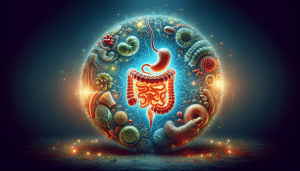
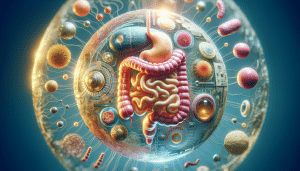
Gut health impacts much more than digestion. The trillions of bacteria and microorganisms in your intestinal tract affect how you feel, how you fight disease, and even how you think. Scientists now call the gut microbiome a vital ‘organ’ in itself due to its influence on immune health and mental clarity. When your digestive system thrives, absorption of nutrients improves, supporting energy levels and metabolism naturally. Everyone, from busy professionals to families, can experience the benefits of balancing their gut ecology.
Many conditions, including fatigue, poor skin, bloating, and even mood swings, trace back to gut imbalance. Researchers connect changes in the microbiome with chronic problems like obesity, diabetes, and even anxiety. That’s because the gut communicates constantly with the brain via neurotransmitters and hormones. It’s no surprise that prioritizing gut health leads to real improvements in how the mind and body function. People often report feeling lighter and more energetic after making gut-friendly changes.
The delicate balance of good versus harmful bacteria in your intestines can be tipped by stress, processed foods, or frequent antibiotic use. Luckily, with simple diet adjustments and mindful choices, most individuals can shift their gut ecosystem back toward harmony. Cultivating a healthy gut is not a trend—it’s a foundational step for long-term wellness. As gut research evolves, more people realize the importance of nurturing this unseen but crucial system.
The Surprising Link Between Gut Health and Immunity
An astonishing 70% of the immune system lives in the digestive tract. Beneficial bacteria train immune cells to respond wisely to threats while ignoring harmless substances. This careful calibration may help reduce sensitivity to allergens and lower the risk of autoimmune flare-ups. When the gut barrier is strong, fewer toxins enter the bloodstream, helping the body defend against sickness efficiently. Simple steps to fortify the microbiome could mean fewer sick days and better resistance to seasonal illnesses.
Emerging research shows that probiotic-rich foods can make a difference for immune function. Examples include naturally fermented yogurt, kefir, sauerkraut, and kimchi. These foods contain live cultures that diversify and strengthen gut bacteria. By including a range of these options in weekly meals, people may notice fewer infections and a speedier recovery from minor ailments. It becomes clear that looking after your gut can support the body’s natural defense mechanisms.
Besides nutrition, sleep and stress also impact both gut and immune health. High stress disrupts microbiome diversity and raises inflammation, making your system more vulnerable. Mindful practices, adequate rest, and moderate physical activity all contribute to healthy gut flora—and, in turn, a more resilient immune response. Small, intentional habits add up over time, protecting vitality in surprising ways.
How Food Choices Reshape Your Microbiome
Fruits, vegetables, and whole grains—these plant-based foods provide prebiotics, essential fuel for beneficial gut bacteria. Prebiotics keep the microbiome thriving by creating an ideal environment for growth. Foods like bananas, garlic, leeks, and oats are easy additions to your daily diet that support healthy digestion and may help prevent common issues like bloating or irregularity. Avoiding highly processed foods also lowers the risk of feeding less desirable microbes.
Protein sources matter for gut health too. Lean meats, fish, and legumes promote balance when eaten in moderation. On the other hand, diets high in red and processed meats may trigger unwanted changes in the microbiome, raising inflammation and sometimes increasing digestive discomfort. Experimenting with different proteins and fiber combinations can help you discover what works best for your unique system. Diversity in meal planning goes hand in hand with a robust microbiome.
Hydration often gets less attention than it deserves. Drinking plenty of water assists in moving fiber through the digestive tract and maintaining proper gut motility. Herbal teas and naturally flavored waters can also offer variety while supporting hydration goals. These simple choices, when made consistently, build the foundation for a thriving gut environment—one that supports everything from mood to metabolic function.
Everyday Habits That Nurture Gut Wellness
Mindful eating transforms the way the digestive system works. Chewing food thoroughly, eating slowly, and appreciating flavors encourages better enzyme release, which boosts nutrient absorption. Other practical habits, like enjoying meals without digital distractions and following consistent meal times, help the gut adjust its rhythm and support healthier patterns. These simple rituals create a calm digestive environment, which is essential for optimal microbiome health.
Staying physically active has direct benefits for gut bacteria, according to several studies. Even moderate daily activity, such as walking or yoga, may boost microbiome diversity and reduce digestive problems. Gentle movement also relieves stress, which otherwise could harm the gut lining and the balance of bacteria. By weaving in enjoyable movement, you make it easier to stick with a gut-friendly lifestyle long term.
Prioritizing quality sleep helps the microbiome regenerate. During deep rest, the body repairs the gut lining, strengthening its role as a barrier against toxins. People who lack sleep often notice digestive irregularities and increases in cravings for unhealthy foods. Creating a soothing nighttime routine and maintaining regular sleep-wake cycles benefit one’s gut, energy, and mood—proof that every system is connected and often traces back to the core of gut health.
Probiotics and Prebiotics: What You Need to Know
Probiotics are live bacteria that offer health advantages when consumed in adequate amounts. They’re found in fermented foods like yogurt, miso, and certain cheeses. These organisms replenish natural gut populations, especially after antibiotic use or illness. Meanwhile, prebiotics are specific types of fiber that nourish those beneficial bacteria. Both work together to balance the digestive system and keep unwanted microbes in check.
Not all probiotic products are equally effective—strains differ in function, and shelf stability matters. Consulting reliable resources helps identify options with proven health effects. Some people choose dietary supplements, but most can benefit simply by making fermented foods a regular part of their routine. Reading ingredient labels and seeking naturally cultured products ensures you’re getting real probiotics to support gut flora.
A diet naturally high in plant-based foods and fiber is a strong foundation for prebiotic intake. Onions, asparagus, whole grains, and berries are especially rich in these helpful fibers. With consistent dietary habits, the balance of good bacteria in your intestine can shift steadily, positively affecting digestion, mood, and even long-term disease risk. This aspect of wellness is accessible to nearly everyone and empowers you to make meaningful changes daily.
Listening to Your Body: Signs Your Gut Needs Attention
Common signals that your digestive system needs support include bloating, frequent gas, or unexplained fatigue. Skin sensitivities and new food intolerances sometimes suggest a compromised microbiome. Tracking symptoms, even minor ones, can reveal patterns triggered by specific foods, stress, or sleep disruptions. Over time, tuning into these signs helps you respond early and prevent bigger health setbacks.
Occasional digestive discomfort is normal, but persistent symptoms might point to an underlying imbalance. If making lifestyle and diet changes does not bring relief, consulting a healthcare professional familiar with gut health is valuable. They can guide you toward appropriate investigations or interventions while helping to rule out more serious issues. Personalized advice ensures your approach aligns with your unique biology and needs.
As you experiment with gut-supportive habits, listen for positive changes: steadier energy, improved mood, better sleep, and fewer gastrointestinal complaints. These improvements reflect a healthier ecosystem inside your body. Celebrate these wins, however small, because they signal real progress toward lasting wellness. The gut speaks in subtle ways—learning to listen unlocks benefits that ripple throughout the entire body.
References
1. National Institutes of Health. (n.d.). The Gut Microbiome and Health. Retrieved from https://www.nccih.nih.gov/health/the-gut-microbiome-and-health
2. Harvard T.H. Chan School of Public Health. (n.d.). Fiber and Prebiotics: Nutrition, Functions, and Health Effects. Retrieved from https://www.hsph.harvard.edu/nutritionsource/carbohydrates/fiber/
3. Johns Hopkins Medicine. (n.d.). The Gut: Our Second Brain. Retrieved from https://www.hopkinsmedicine.org/health/wellness-and-prevention/the-gut-our-second-brain
4. Mayo Clinic. (n.d.). Probiotics and Prebiotics: What’s the Difference? Retrieved from https://www.mayoclinic.org/probiotics-prebiotics
5. Centers for Disease Control and Prevention. (n.d.). Sleep and Health. Retrieved from https://www.cdc.gov/sleep/about_sleep/sleep_hygiene.html
6. World Gastroenterology Organisation. (n.d.). Diet and Gut Microbiota. Retrieved from https://www.worldgastroenterology.org/guidelines/global-guidelines/diet-and-the-gut-microbiota

 You Won’t Believe How AI Impacts Daily Life