Why Minimalist Home Decor Keeps Capturing You
Elena Martinez October 30, 2025
Curious about why minimalist home decor keeps growing in popularity? Discover how this stylish, calming approach transforms living spaces and supports your well-being. From furniture selection to mindful decluttering, explore what minimalist design really means and how you can embrace its benefits in everyday life.
The Allure of Minimalist Home Decor
Minimalist home decor remains a leading choice for people seeking tranquility, organization, and style. Its roots lie in focusing on simplicity—a concept that encourages having only what is essential and removing the clutter that often overwhelms modern life. This lifestyle trend doesn’t just influence the way rooms look; it deeply shapes daily workflows and overall well-being. Many find that the approach instills a sense of peace, turning homes into restful havens. Minimalism advocates for higher-quality, functional items, which means fewer replacements and less waste over time. Its adaptability allows homeowners to personalize spaces while keeping them clean and stress-free.
One reason minimalist design keeps capturing attention is its compatibility with busy, contemporary lifestyles. Daily life can be hectic—having streamlined, organized living spaces helps reduce everyday stress. By limiting unnecessary objects and focusing on what brings value, people report heightened satisfaction with their environment. It also offers flexibility; this style can be interpreted in various ways, reflecting individual personalities. Whether you lean modern, Scandinavian, or Japanese-inspired, minimalist concepts blend seamlessly with different aesthetics without being restrictive. Its universality and accessible entry points make it popular among all age groups.
In addition to its visual appeal, minimalist home decor holds practical advantages. Fewer objects make cleaning and maintenance quicker and more efficient. There’s also evidence suggesting cluttered spaces impact the ability to focus, while orderly rooms inspire productivity and relaxation. Minimalism doesn’t mean sacrificing comfort. It’s about consciously curating surroundings for balance—choosing the right lighting, textures, and color schemes to support relaxing routines. This purposeful approach fosters mindful consumption and promotes surroundings that nurture, instead of distract, through deliberate simplicity. (Source: https://www.psychologytoday.com/us/blog/the-moment-youth/202111/the-growing-popularity-minimalism)
Core Elements of Minimalist Decor for Your Home
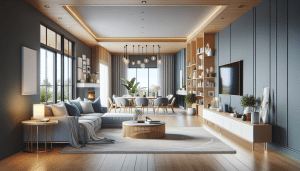
At its foundation, minimalist home decor focuses on curated essentials. Key principles include functional furniture, neutral color palettes, and thoughtful negative space. Rather than filling shelves and corners with décor pieces, the minimalist chooses select items—each with intent. White, beige, soft gray, and earth tones form the basis for wall paints and fabrics. This neutral foundation makes rooms appear brighter and larger while inviting calm. Multifunctional furniture is another core aspect; pieces like sofa beds or nesting tables maximize utility while reducing overall item counts. The minimalist mindset guides every purchase and placement within the home for cohesive, stress-free environments.
Minimalists often emphasize quality over quantity. Investing in long-lasting, timeless pieces prevents the cycle of constant replacements. Natural materials such as wood, linen, cotton, and stone replace synthetic or disposable alternatives. Their textures add warmth and character without overpowering spaces. Select artwork and plants add gentle accents. Invitations to nature through trimmed greenery or sunlight-filtering drapes reinforce an airy, organic feel in each room. Instead of trend-driven changes, minimalist interiors evolve with intention—only adopting new items if they serve a clear purpose or bring joy. This careful curation supports a more sustainable, conscious lifestyle.
Decluttering is fundamental to the minimalist approach. Each possession, from decorative objects to kitchen utensils, is evaluated regularly. If it no longer serves a function or sparks a positive feeling, it is passed on, sold, or donated. Open shelving, concealed storage, and smart organizing solutions encourage even small spaces to feel open and efficient. Making decluttering part of a routine helps keep the home adaptable, welcoming, and refreshingly free of distractions. This process isn’t just about aesthetics—it’s also about mindful living and maintaining surroundings that support rather than hinder daily well-being. (Source: https://www.archdaily.com/899986/why-minimalism-appeals-to-us-psychologically)
Benefits Beyond Style: Wellness and Clarity in Urban Living
Minimalism in home decor delivers real benefits beyond surface beauty. In fast-paced urban environments, living with less relieves visual and mental overload. Studies show orderly spaces contribute to better focus, less anxiety, and improved overall emotional well-being. The act of letting go of unnecessary items—sometimes called the minimalist purge—has been linked to lower cortisol levels and increased satisfaction with life. Fewer objects mean fewer distractions, allowing attention to shift from maintaining belongings to enjoying more meaningful activities. Minimalist interiors foster a sense of control and clarity, especially valuable during busy workweeks.
Minimalist home decor also creates more flexible and multifunctional environments. By reducing clutter and maximizing open floor plans, living rooms and bedrooms transform into dynamic, easily adaptable spaces. This is particularly helpful in smaller apartments where every square foot matters. Minimalism doesn’t require expansive spaces; instead, it shows that a well-curated studio or compact city loft can feel serene and inviting. The decor promotes wellness through indirect means, encouraging mindfulness, healthier habits, and even better sleep quality as bedrooms stay neat and undistracted. Living with less also encourages eco-friendly choices, such as upcycling and sustainable sourcing.
Children and adults alike can benefit from minimalist design. For families, less clutter means more room for safe movement and easier tidying after play or meals. For workers, minimalist home office setups have been shown to decrease distraction and increase productivity. The family’s shared areas—like dining tables or reading nooks—become natural gathering places, fostering stronger social bonds. Pets, too, thrive in less crowded environments. In each scenario, achieving a sense of spaciousness and order leads to greater harmony and mental wellness. (Source: https://www.mindful.org/clear-home-clear-mind/)
Practical Steps to Embrace Minimalism at Home
Embracing minimalist home decor is a gradual, personal process—start small for lasting progress. Begin by identifying and tackling a single area, such as a kitchen drawer, closet, or entryway shelf. Remove everything, clean the space, and then add back only the essential and beloved items. This stepwise approach keeps decision-making manageable and avoids feeling overwhelmed. Document the transformation with photos or journaling for motivation and reflection over time. Many people find that the process builds momentum, inspiring bigger changes throughout the home.
Once you’re ready to expand, consider the flow of larger spaces. Pause before adding new decor—ask if each item offers function or happiness. Explore multipurpose furniture, which saves space and reduces crowding. Store seasonal items out of sight and rotate them as needed. Natural light, mirrors, and simple window treatments create the illusion of openness and brightness in even small or low-ceilinged rooms. Don’t rush the process; minimalism thrives on patience, observation, and deliberate adjustments. Remember, perfection is not the goal—adapt the style to support your specific needs and routines.
Letting go of things can feel emotional, especially those tied to memories. Digital tools can help—snap photographs of sentimental objects before passing them on for keepsake albums. Invite conversation with household members; make decluttering a fun, shared experience rather than a solo task. Regularly review your home’s contents, identifying areas that are creeping back into clutter. Stay informed by following minimalist blogs, design platforms, or social media. Community support can keep motivation high and introduce new decluttering or organizing ideas. (Source: https://www.becomingminimalist.com/declutter-steps/)
Personalizing Minimalism to Suit Your Lifestyle
Minimalist home decor isn’t a one-size-fits-all formula. It’s more of a philosophy—a way of thinking about your environment. Individuals and families shift, adapt, and blend their own preferences into the minimalist framework. That means an art lover might favor larger, singular paintings instead of gallery walls, while book enthusiasts might display only their favorite volumes. Some may keep plant collections as focal points, or adopt cozy layers on sofas and beds for softness. Color preferences and cultural influences play roles, too. The minimalist home reflects its occupant’s personality within a calm, uncluttered backdrop.
Function plays a central role in minimalist design. For example, parents with young children may reserve toy storage solutions that allow for fast cleanup and open play spaces. Those who work from home might prioritize organized desks and wire management. Entertainers may choose open-plan kitchens with hidden cabinets to keep countertops tidy. Personalizing the minimal look requires creative solutions—floating shelves, decorative baskets, or clever hooks can add storage without visual clutter. The rule of thumb is to let spaces breathe. Give each item meaning, allow for movement, and welcome change as needs shift.
Minimalists often celebrate seasonal transitions. Swapping textiles, lighting, or art lets spaces evolve throughout the year, keeping the home fresh and invigorating. Embracing minimalism also has ripple effects outside the home, influencing shopping habits and gift-giving practices. People become more mindful about what they bring in, focusing on sustainability and conscious consumption. As a result, minimalist decor becomes a catalyst for living intentionally, both within the home and beyond. (Source: https://www.nytimes.com/guides/realestate/how-to-declutter-your-home)
Design Inspiration and Resources to Explore More
Looking for concrete minimalist inspiration? International and local designers showcase broad interpretations of minimalism in home tours, online galleries, and design magazines. Scandinavian, Japanese, and mid-century modern movements each offer recognizable takes on the minimalist trend. Following design blogs or social media accounts can spark new ideas for decluttering and space styling. Some museums and architecture firms publish virtual tours, letting people explore real-life examples without leaving home. Curated book lists from design experts are another way to dive deeper.
There are also free online courses and resources to help you understand and apply minimalist design principles. Museums, universities, and even nonprofit organizations often share research, programs, and guides on home organization, spatial planning, and eco-friendly interior practices (Source: https://ocw.mit.edu/courses/architecture/). Community forums and groups provide support as you take on your own minimalist projects, offering suggestions and troubleshooting advice. Explore color palettes, layout plans, and upcycling ideas to personalize your minimal look.
Ethical and sustainable design are at the heart of many minimalist spaces. Sourcing locally made furniture or opting for vintage and secondhand items reduces environmental impact, while supporting skilled makers. There’s no single path—explore what fits your values and lifestyle. From podcasts to documentaries, resources abound to keep you motivated and engaged with your journey toward simplicity. (Source: https://www.homedecorators.com/styles/minimalist)
References
1. Psychology Today. (n.d.). The Growing Popularity of Minimalism. Retrieved from https://www.psychologytoday.com/us/blog/the-moment-youth/202111/the-growing-popularity-minimalism
2. ArchDaily. (2018). Why Minimalism Appeals to Us Psychologically. Retrieved from https://www.archdaily.com/899986/why-minimalism-appeals-to-us-psychologically
3. Mindful. (2019). Clear Home, Clear Mind. Retrieved from https://www.mindful.org/clear-home-clear-mind/
4. Becoming Minimalist. (n.d.). 10 Creative Ways to Declutter Your Home. Retrieved from https://www.becomingminimalist.com/declutter-steps/
5. The New York Times. (n.d.). How to Declutter Your Home. Retrieved from https://www.nytimes.com/guides/realestate/how-to-declutter-your-home
6. MIT OpenCourseWare. (n.d.). Architecture Courses. Retrieved from https://ocw.mit.edu/courses/architecture/

 Natural Ingredients Transforming Skincare Routines