Unlocking Joy and Value in Minimalist Living Spaces
Elena Martinez November 20, 2025
Explore how a minimalist lifestyle can transform daily routines, enhance entertainment possibilities, and offer tangible benefits. This guide examines practical strategies, design ideas, and the key motivations for choosing simplicity over excess—all while maximizing personal enjoyment.
Rethinking Space: Why Less Can Mean More Fun
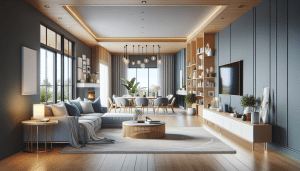
Minimalist living isn’t just about reducing clutter. It’s about creating room—literally and figuratively—for what truly matters. When living areas are free of distractions, they become versatile hubs for relaxation, productivity, and social connection. Many people discover that fewer possessions open the door to more meaningful experiences, such as hosting friends, trying new indoor hobbies, or even simply enjoying quiet moments on a functional sofa. The rise of compact yet inviting entertainment options, like digital streaming or board game nights, illustrates how minimalist environments support richer forms of recreation without overwhelming the senses.
Designing your home for minimalism benefits more than just the aesthetic. With a thoughtful approach to furniture arrangement and decor, each area serves multiple purposes. A dining table doubles as a workspace. A cozy reading nook transforms for movie marathons or intimate gatherings. These adaptable layouts encourage spontaneous fun, support mental health, and minimize stress linked to excess and disorganization. By prioritizing quality over quantity, minimalist spaces feel lighter and more welcoming, which can enhance daily satisfaction.
Embracing less also aligns with today’s sustainability trends. Living minimally reduces waste and often promotes environmentally conscious choices: think secondhand decor, multifunctional furnishings, and products made from renewables. For entertainment lovers, this might mean curating a smarter collection of games and gadgets or swapping single-use party supplies for reusable alternatives. Over time, these decisions add up, helping to preserve natural resources while keeping your space both fresh and fun (Source: https://www.epa.gov/smm/sustainable-management-materials-non-hazardous-materials-and-waste-management-hierarchy).
Creating Entertaining Experiences in Small Spaces
Maximizing small living areas involves a touch of creativity. Modern minimalists often reimagine traditional entertainment by focusing on flexibility and atmosphere, rather than space or excess. Wall-mounted shelves hold just enough movies or books for a cozy evening in, while smart-projectors or multi-use speakers can turn any room into a home theater. Portable furniture and storage ottomans allow for quick rearrangement so a living room instantly adapts to game night excitement or an impromptu dance session. These ideas reflect a shift toward purposeful design, where every item plays a role in creating memorable experiences without crowding the environment (Source: https://www.archdaily.com/905845/10-tips-for-designing-flexible-small-spaces).
Lighting transforms perception. Use soft lamps, adjustable overhead fixtures, or string lights to define zones and set moods. In minimalist homes, curated lighting adds personality without the visual clutter of extra decor. Hosting friends? Rearranging a few items and adjusting the lights can shift a calm reading alcove to an energetic gathering spot. As a bonus, open spaces make it easier to move around, encouraging interactive games or simple mingling. The result? A setting that fosters both ease and excitement, perfect for everything from tranquil evenings to spirited get-togethers.
For enthusiasts of music or film, technology is a minimalist’s ally. Bluetooth-enabled devices, slim-profile projectors, and hidden speakers are now more affordable and accessible, enabling quality entertainment without crowded shelves or tangled cables. Even virtual experiences, such as online concerts or collaborative video games, fit seamlessly with a pared-back lifestyle. These solutions exemplify how contemporary minimalism enhances, rather than limits, the options for at-home enjoyment and social engagement.
The Wellness Connection: Mindful Living with Minimalism
Minimalist spaces don’t just look good—they can support emotional well-being, too. Research shows that reducing clutter may lower anxiety and boost focus, providing an inviting backdrop for entertainment and creativity. With clear surfaces and organized arrangements, people find it easier to relax or immerse themselves in favorite activities, whether reading, meditating, or listening to music. The environment itself becomes a form of self-care, helping to foster a sense of peace and contentment.
There’s power in intentional consumption. By carefully selecting decor, gadgets, and activities, minimalists avoid the stress of overwhelm while still enjoying their favorites. Fewer distractions often mean more meaningful leisure—think in-depth conversations over coffee, focused art or writing sessions, or playing a single well-loved game instead of flipping endlessly through options. Mindful living, then, is not about deprivation. It’s about reclaiming time and attention for moments that spark real joy and deeper engagement (Source: https://www.mindful.org/how-to-create-a-mindful-home/).
Sleep quality and overall wellness can also improve in decluttered spaces. Without the visual chaos of overflowing shelves or disorganized surfaces, the mind can unwind more easily, leading to better rest and increased productivity during waking hours. Wellness activities, such as gentle exercise, mindfulness practices, or journaling, feel easier to maintain in calm surroundings. Minimalism thus subtly supports a balanced, health-focused lifestyle that makes room for both rest and recreation.
Simplicity Meets Style: Decorating for Comfort and Entertainment
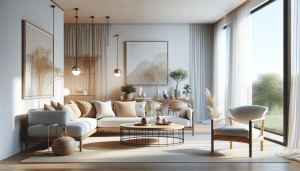
Style thrives in simplicity. Minimalist design draws on a few high-quality elements, natural materials, and curated color palettes to create calm, welcoming rooms. Scandinavian influence is strong, with clean lines, tactile fabrics, and an emphasis on functionality. Small accent pieces—like a unique lamp or a statement vase—provide personality without overcrowding. This approach ensures that each decorative choice supports both comfort and entertainment, aligning with the values of mindful living (Source:
Minimalist interiors welcome everyone. Neutral backdrops allow for easy adaptation—swap out throws for seasonal color, or rotate art for fresh inspiration. This flexibility enhances social events, letting you tailor the atmosphere to each occasion without the hassle of redecorating. Guests find comfort in uncluttered settings, while hosts appreciate the ease of prepping spaces designed for quick clean-ups and reconfiguration.
Sustainable design goes hand-in-hand with minimalism. Upcycled finds, locally made crafts, and multifunctional items add interest while supporting environmental values. Instead of buying in bulk, minimalists focus on items that last—and invite hands-on entertainment. Consider a handmade tea set for sharing stories or a wooden chessboard for organic, analog fun. These choices marry beauty, utility, and sustainability in every gathering.
Adapting Minimalism to Changing Lifestyles
Minimalism is flexible, not rigid. Families, singles, or housemates can each tailor its principles to their unique routines. For example, shared storage keeps communal spaces neat while still providing everyone a spot for beloved belongings. Children’s play areas become easier to manage with rotating toy libraries: only a few activities out at any time means more focused fun and faster tidying. Adapting minimalism means embracing systems that support daily living—without sacrificing entertainment or comfort.
Life changes, and so does the need for space. A compact setup makes it simpler to downsize, move, or repurpose rooms as hobbies or careers evolve. Minimalists can quickly transform a living room into a fitness nook, craft studio, or remote work hub, all with a few swift adjustments. Focusing on adaptable solutions—like fold-away desks or mobile partitions—enables ongoing reinvention, ensuring that fun and productivity can grow alongside new interests.
Social gatherings take on new meaning in minimalist homes. Without the pressure (or confusion) of excessive decor and entertainment, conversations and shared activities come to the forefront. This shift is at the heart of minimalism’s enduring appeal—maximizing enjoyment through space, choice, and connection, even as lifestyles shift and interests grow. Streamlined living empowers everyone to focus on what truly brings joy—every day.
References
1. U.S. Environmental Protection Agency. (n.d.). Sustainable Management of Materials – Non-Hazardous Materials and Waste Management Hierarchy. Retrieved from https://www.epa.gov/smm/sustainable-management-materials-non-hazardous-materials-and-waste-management-hierarchy
2. ArchDaily. (2018). 10 Tips for Designing Flexible Small Spaces. Retrieved from https://www.archdaily.com/905845/10-tips-for-designing-flexible-small-spaces
3. Mindful. (n.d.). How to Create a Mindful Home. Retrieved from https://www.mindful.org/how-to-create-a-mindful-home/
4. Dezeen. (2018). Minimalist Homes: Interior Design Style Guide. Retrieved from https://www.dezeen.com/2018/07/11/minimalist-homes-interior-design-style-guide/
5. American Psychological Association. (2017). Decluttering and Stress Reduction in Home Environments. Retrieved from https://www.apa.org/news/press/releases/stress/2017/home-enviroments
6. Harvard Health Publishing. (2020). The Health Benefits of Decluttering. Retrieved from https://www.health.harvard.edu/mind-and-mood/the-health-benefits-of-decluttering

 Rental Property Upgrades That Can Boost What You Earn