Why Gut Health Matters More Than You Think
Sophia Clarke October 15, 2025
Discover how your gut influences everything from mood to immunity. This in-depth guide explores the connections between gut health, microbiome diversity, digestive wellness, and overall well-being—helping you uncover practical tips for a healthier, happier lifestyle.
Understanding the Gut and Its Role in Health
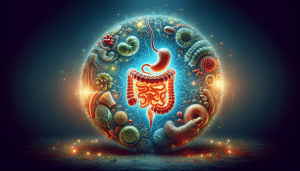
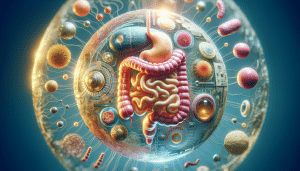
The gut isn’t just about digestion. It’s home to trillions of microorganisms creating a diverse gut microbiome, which plays a huge role in overall wellness. Scientists have found that the gut is sometimes called the ‘second brain’ because it communicates with the central nervous system through the gut-brain axis. This communication can impact mood, stress levels, and even mental clarity. By taking care of digestive health, people can support not only nutrient absorption but emotional well-being too.
Gut health refers to the function and balance of bacteria in the many parts of the gastrointestinal tract. When everything is working together—digestion, absorption, immunity—well-being follows. Problems such as bloating, discomfort, or irregularity often signal disruption in this balance. Research shows that an imbalanced gut microbiome might influence not just digestion but the immune system, weight management, and even certain skin conditions. The billions of bacteria interact with the body to break down food, synthesize vitamins, and protect against harmful invaders.
Factors such as antibiotics, chronic stress, dietary choices, and environmental toxins may disrupt gut microbial diversity. Balanced gut flora, supported by fiber-rich foods and healthy lifestyle habits, builds a strong foundation for both digestive comfort and immune defense (Source: https://www.niddk.nih.gov/health-information/digestive-diseases/digestive-health). With greater awareness, anyone can begin to recognize the essential relationship between the gut and their long-term health goals.
The Surprising Gut-Mind Connection
It’s fascinating how gut health and mental well-being are entwined. The gut-brain axis is a two-way communication pathway involving biochemical signals between the gastrointestinal tract and the brain. This link explains why anxious feelings sometimes lead to digestive trouble, or how a peaceful mind can soothe the stomach. Studies reveal that certain probiotics may even support mood stability and cognitive focus by influencing neurotransmitter production in the gut (Source: https://www.apa.org/monitor/2012/09/gut-feeling).
Neurotransmitters like serotonin—often associated with mood—are produced in significant quantities within the gut. Disruptions to gut health or decreases in beneficial bacteria may affect these brain chemicals. For instance, many people with irritable bowel syndrome (IBS) report elevated stress levels, which could be both a cause and outcome of altered gut function. The interplay goes deep, as new research is connecting digestive wellness with resilience against mental fatigue and burnout.
The concept of ‘psychobiotics’—probiotics beneficial for psychological health—has emerged from this field. These unique strains may reduce feelings of worry and support emotional stability (Source: https://www.nimh.nih.gov/health/publications/brain-gut-connection). This relationship suggests that tending to digestive balance could be a cornerstone for multifaceted well-being. Small adjustments in diet, stress management, and sleep may help maintain both mental clarity and gut harmony.
Gut Health and Immune System Strength
Approximately 70% of the immune system resides within the gut. A robust immune response depends on the diversity and integrity of the gut lining, which acts as a protective barrier against harmful microbes. Gut bacteria stimulate the body’s natural defenses, helping to distinguish between friend and foe. Regular consumption of prebiotic and probiotic foods can foster this resilience, supporting better endurance against minor infections and inflammation (Source: https://www.ncbi.nlm.nih.gov/pmc/articles/PMC2515351/).
If the gut barrier becomes ‘leaky’—allowing unwanted particles into the bloodstream—immune function may falter. This phenomenon can contribute to food sensitivities and chronic inflammation. Experts recommend integrating foods rich in dietary fiber, such as vegetables, legumes, and whole grains, to help nourish beneficial gut bacteria and reinforce gut lining integrity. By prioritizing gut care, the whole immune landscape can shift toward equilibrium and defense readiness.
Some studies suggest that fermented foods like yogurt, kefir, sauerkraut, and kimchi boost microbiota diversity. These foods may help cultivate a strong gut-immune alliance, which is especially relevant during changing seasons or periods of stress. Focusing on digestive wellness not only addresses discomfort but also creates an internal foundation for resilience against daily health challenges (Source: https://www.hsph.harvard.edu/nutritionsource/probiotics/).
Dietary Habits that Support Gut Wellness
Food choices influence digestive health more than many realize. A diet rich in plant-based fiber, prebiotics, and a variety of natural foods creates fertile ground for a thriving, diverse gut microbiome. Examples include leafy greens, beans, berries, and oats. These foods not only promote regular digestion but also fuel ‘good’ bacteria, helping to crowd out unwanted species and produce short-chain fatty acids that protect the gut lining (Source: https://www.health.harvard.edu/blog/nourishing-gut-bacteria-for-good-health-2018082914735).
On the flip side, highly processed foods, excess sugar, and artificial additives can lead to an imbalanced microbiome. These habits may disrupt beneficial bacteria, creating a setting for gas, discomfort, and irregularity. Mindful eating—chewing slowly, focusing on whole ingredients, and tuning in to hunger cues—fosters both digestive and metabolic health.
Fermented foods remain a top recommendation for microbiome variety. Including a rainbow of fruits and vegetables delivers phytonutrients, antioxidants, and fiber—key allies in sustaining a balanced digestive ecosystem. Hydration also matters; drinking sufficient water aids in the natural movement of food through the intestines and supports cellular repair throughout the gut lining.
Simple Lifestyle Changes to Boost Digestive Health
Beyond diet, daily habits shape the gut’s function over time. Regular physical activity enhances blood flow to digestive organs and can stimulate more efficient movement of the intestines, reducing issues like constipation. Even gentle movement such as walking or yoga can help support a healthy digestive rhythm (Source: https://www.mayoclinic.org/healthy-lifestyle/nutrition-and-healthy-eating/in-depth/nutrition/art-20048403).
Chronic stress can slow digestion and alter the gut microbiota, so managing stress is vital. Practices such as breathing techniques, meditation, and maintaining a regular sleep schedule are shown to positively affect gut health. Quality sleep repairs the gut lining and helps beneficial bacteria thrive, setting the stage for resilient, balanced digestive wellness.
Reducing unnecessary antibiotic use and avoiding smoking or excessive alcohol consumption also benefit gut integrity. Even simple habits, like eating meals at consistent times or getting outdoors each day, make a difference. Over time, these lifestyle tweaks can set the stage for more comfortable digestion, better energy, and stronger immunity.
Recognizing When to Seek Professional Guidance
Occasional digestive disturbances are common, but persistent symptoms—like chronic pain, severe bloating, blood in stool, or sudden weight loss—deserve attention from a qualified health provider. Early evaluation and care can prevent complications and offer support tailored to individual needs. Sometimes, additional testing or targeted intervention is warranted to restore comfortable, functional digestion (Source: https://www.gastro.org/practice-guidance/gi-patient-center/topic/ibs).
For those with diagnosed conditions—such as celiac disease, inflammatory bowel disease, or food allergies—partnering with dietitians and healthcare professionals ensures effective management. Personalized advice helps navigate food triggers, nutrient needs, and gut-restoring therapies. This collaboration builds knowledge, confidence, and practical routines to support both recovery and prevention.
Continued learning about the gut’s role in well-being can empower anyone to make mindful choices. Regular monitoring, open communication with providers, and a willingness to adapt routines ensure that shifting needs are met. Science continues to uncover new ways our digestive health shapes life, and professional support can amplify results and peace of mind.
References
1. National Institute of Diabetes and Digestive and Kidney Diseases. (n.d.). Digestive Health. Retrieved from https://www.niddk.nih.gov/health-information/digestive-diseases/digestive-health
2. American Psychological Association. (2012). That gut feeling. Retrieved from https://www.apa.org/monitor/2012/09/gut-feeling
3. National Institute of Mental Health. (n.d.). Brain-Gut Connection. Retrieved from https://www.nimh.nih.gov/health/publications/brain-gut-connection
4. National Institutes of Health. (2008). Human Microbiome Project. Retrieved from https://www.ncbi.nlm.nih.gov/pmc/articles/PMC2515351/
5. Harvard T.H. Chan School of Public Health. (n.d.). The Nutrition Source: Probiotics. Retrieved from https://www.hsph.harvard.edu/nutritionsource/probiotics/
6. Mayo Clinic. (n.d.). Nutrition and healthy eating: Fiber. Retrieved from https://www.mayoclinic.org/healthy-lifestyle/nutrition-and-healthy-eating/in-depth/nutrition/art-20048403

 Unlocking Artificial Intelligence in Everyday Life