Unlocking the Secrets of Gut Health for Vibrant Living
Sophia Clarke September 27, 2025
Discover the fascinating link between your gut and overall wellbeing. Explore actionable insights on digestive health, probiotics, nutrition, and lifestyle changes that can support a thriving gut microbiome and help you feel your best every day.
Your Gut Microbiome and Its Hidden Influence
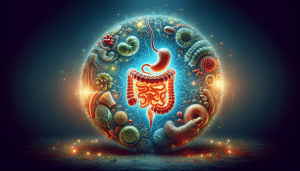
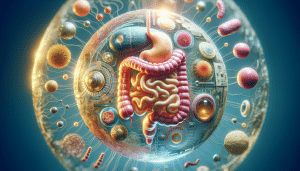
Gut health has moved to the forefront of wellness conversations for good reason. Within every digestive tract lives a bustling community of trillions of microorganisms known as the gut microbiome. These bacteria, viruses, fungi, and other microscopic lifeforms play a direct role in how bodies process nutrients, respond to inflammation, and maintain mental clarity. What’s surprising is how intertwined these tiny residents are with immune function, helping to protect from illness and support healthy digestion. People often underestimate how an imbalanced microbiome can affect everything from energy to mood. Recent scientific advances have started to decode these complex relationships, showing that supporting gut balance can impact many aspects of daily living.
The foods consumed daily are one of the strongest influences over microbiome diversity. Highly processed diets or frequent use of certain medications can disrupt this ecosystem, sometimes leading to sluggish digestion or unwanted symptoms. Paying attention to the gut means noticing these effects and making mindful changes. Even minor shifts, like eating more fiber-rich foods, can spark shifts in microbiome populations. Health-conscious choices like including leafy greens, whole grains, and fermented foods are backed by mounting research for their positive impact on gut health.https://www.hsph.harvard.edu/nutritionsource/gut-microbiota/
Alongside nutrition, stress levels may also alter the makeup of one’s microbial community. Chronic stress can negatively affect digestion and change the balance of gut flora. Through practices like mindfulness, gentle exercise, and regular sleep, it’s possible to nurture your inner ecosystem in non-food ways. Every day, small routines add up and contribute to a stronger, healthier gut over time. Recognizing the broad influence of the gut means there’s potential for improvement in many areas by making even incremental changes.
The Role of Probiotics and Fermented Foods
Probiotics have surged in popularity as more discover their positive role in gut wellness. These are beneficial bacteria found in certain foods and supplements. By supporting the existing microbiome, they help restore balance, especially after events like illness or antibiotic use. Probiotic-rich items, like yogurt, kefir, sauerkraut, and kimchi, are not just flavorful additions; they beam with living cultures that can reach the gut alive when eaten regularly. Recent evidence suggests that diverse strains may have varying benefits for gut function and immune response, making dietary variety a key consideration.https://medlineplus.gov/probiotics.html
Fermented foods fill more than just a nutrition need. As traditional preservation techniques, fermentation allows for the growth of natural probiotics that have been linked to benefits like reduced inflammation and improved digestion. Including naturally fermented products in meal routines offers an age-old way to improve microbial balance. Diverse traditions around the world, from pickled vegetables to miso soup, reveal the global appreciation for these foods’ digestive properties. For many, their inclusion helps maintain a healthy gut environment with minimal effort.
Curiosity often surrounds probiotic supplements versus food sources. While supplements aim to deliver concentrated bacteria strains, many experts suggest focusing on whole food sources for a more enjoyable and comprehensive health boost. However, in certain cases—such as after a course of antibiotics or for people with specific digestive conditions—medical professionals may recommend targeted supplements. Whatever the approach, it’s wise to consult a healthcare provider before starting new probiotics, helping ensure the chosen strains and dosages fit your unique needs.
Digestive Wellness: Beyond Food Choices
Maintaining digestive wellness is more than choosing what to eat. The ways meals are consumed and the overall lifestyle embraced play pivotal roles. Slow, mindful eating gives the digestive system room to function properly and may improve satiety. Proper hydration supports the intestines and assists with smooth digestion and nutrient absorption. These seemingly simple habits result in an environment favorable for digestive comfort and improved gut health over the long term.https://www.gastrojournal.org/article/S0016-5085(17)35019-6/fulltext
Physical movement should not be overlooked either. Regular activity helps stimulate the intestines, promote regular bowel movements, and even reduce symptoms of bloating. Light exercise, such as walking or gentle yoga, can support healthy digestion by encouraging natural rhythms. This connection between movement and gut health is supported by research showing the benefits of an active lifestyle for the intestinal tract’s proper functioning.
Finally, stress management is essential for anyone hoping to optimize gut wellness. Techniques such as deep breathing, spending time in nature, and setting aside time for restorative rest can reduce stress signals sent to the digestive system. Less stress often results in better digestion, a calmer mind, and a more robust gut. By considering emotional wellbeing alongside dietary choices, it’s possible to support digestive health from multiple angles.
The Connection Between Gut and Immune System
The link between the gut and immune system remains one of the most compelling health discoveries of recent decades. Over two-thirds of the human immune system actually resides in the gut, where it interacts constantly with microbes and digested nutrients. This means the foods consumed and the balance of the microbiome directly influence how well the body fends off invaders. Maintaining a strong gut barrier is central to immune health.
Emerging science suggests that gut bacteria help train immune cells to recognize and respond to both friendly and harmful organisms. When the gut flora is balanced and diverse, it better supports immune tolerance and reduces unwanted inflammation. Conversely, disruptions to this system may increase the risk for digestive discomfort or allergies. Nutrition, sleep, and regular routines all contribute to this delicate balance, highlighting that immune health is fundamentally integrated with digestive wellbeing.https://www.nih.gov/news-events/nih-research-matters/gut-bacteria-tied-immune-system
Taking steps to support gut immunity doesn’t involve complicated strategies. Small actions—such as eating a range of plant-based foods, focusing on dietary fiber, and limiting unnecessary antibiotics—help nurture a robust microbiome. Supporting healthy gut flora provides benefits that extend well beyond digestion. Over time, prioritizing gut and immune wellness may even reduce susceptibility to illness and help maintain overall vitality.
Signs of Gut Imbalance and When to Seek Guidance
Many individuals live with subtle signs of gut imbalance without realizing it. Symptoms such as bloating, irregular bowels, fatigue, and unexplained skin issues can often be traced back to digestive health concerns. Noticing these patterns is the first step to understanding gut wellness and noticing what makes a difference. Over time, it becomes easier to link certain foods or habits with changes in gut comfort or discomfort.https://www.mayoclinic.org/healthy-lifestyle/nutrition-and-healthy-eating/in-depth/probiotics/art-20047823
Occasionally, persistent symptoms or significant changes may signal underlying issues that need specialized assessment. Conditions such as irritable bowel syndrome, inflammatory bowel disease, or celiac disease are influenced by the gut’s environment but require professional support. Consulting with a healthcare provider can clarify diagnosis, inform management plans, and offer guidance on safe and effective changes to diet or routine.
Gut health is dynamic. Recognizing the need for extra support, whether after illness or during periods of high stress, can make a meaningful difference. Health professionals can help personalize strategies, recommend diagnostic testing if needed, and suggest evidence-based approaches for optimizing digestive wellness. Seeking help when needed is a positive step on the path toward vibrant wellbeing.
Nourishing Your Gut for Long-Term Health
Nourishing the gut with daily habits holds potential for sustainable wellness. Consistent routines, diverse nutrient intake, and ongoing curiosity about digestive signals all contribute to long-term gut health. A pattern of eating a variety of whole foods, including plenty of fiber, beneficial fats, and prebiotic-rich vegetables, can make lasting changes in gut flora composition and resilience.
Every person’s gut is unique, shaped by genetics, environment, and lifestyle. Finding what works best might take experimentation, some patience, and willingness to try new foods or activities. Tracking food intake and symptoms, or keeping a wellness journal, may reveal surprising patterns and empower informed choices over time. Remember, even minor shifts can yield significant benefits with consistency.
Continued research on gut health offers new insights every year, expanding the options for proactive care. Staying informed via reputable sources and maintaining open dialogue with healthcare providers can keep anyone on track. Ultimately, investing in gut wellness is an investment in feeling and functioning at your best, paving a steady path to a vibrant life.
References
1. Harvard T.H. Chan School of Public Health. (n.d.). The Nutrition Source – The Microbiome. Retrieved from https://www.hsph.harvard.edu/nutritionsource/gut-microbiota/
2. MedlinePlus. (n.d.). Probiotics. Retrieved from https://medlineplus.gov/probiotics.html
3. Gastroenterology. (2017). Diet and the Microbiome. Retrieved from https://www.gastrojournal.org/article/S0016-5085(17)35019-6/fulltext
4. National Institutes of Health. (n.d.). Gut Bacteria Tied to Immune System. Retrieved from https://www.nih.gov/news-events/nih-research-matters/gut-bacteria-tied-immune-system
5. Mayo Clinic. (n.d.). Probiotics: What is it, Benefits, Side Effects, Food & Types. Retrieved from https://www.mayoclinic.org/healthy-lifestyle/nutrition-and-healthy-eating/in-depth/probiotics/art-20047823
6. Johns Hopkins Medicine. (n.d.). The Gut Microbiome. Retrieved from https://www.hopkinsmedicine.org/health/wellness-and-prevention/the-gut-microbiome-and-how-it-affects-your-body

 AI Tools You Never Knew Were Shaping Everyday Life