Unlocking the Power of Gut Health for Wellness
Sophia Clarke November 4, 2025
Explore the fascinating connection between digestive wellness and your overall sense of vitality. Discover how gut health can influence immunity, mental clarity, and daily energy—plus tips for cultivating a balanced microbiome and mindful habits for lifelong wellness.
Exploring the Gut Microbiome and Its Impact
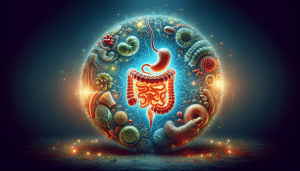
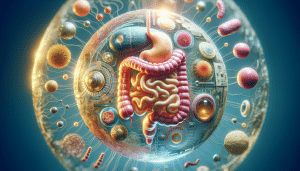
The gut microbiome consists of trillions of microorganisms, including bacteria, viruses, and fungi, that reside throughout the digestive system. These organisms influence nutrient absorption, immune system regulation, and even the body’s inflammatory response. A diverse gut microbiome supports core digestive processes and helps shield the body from harmful pathogens. Scientists continue to examine how disruptions in the gut environment can impact health outcomes such as digestive disorders and lowered immunity (Source: https://www.nih.gov/news-events/nih-research-matters/gut-microbiome-affects-well-health).
Research has shown that the variety and balance of microbes in the gut can influence not just physical health, but also mental wellness. Some studies suggest links between a healthy gut and improved mood, cognitive function, and stress management. Factors such as diet, antibiotic use, and lifestyle habits can quickly alter this microbial balance, potentially affecting digestive comfort and emotional stability (Source: https://www.health.harvard.edu/mind-and-mood/the-gut-brain-connection).
Understanding the gut microbiome’s complex role highlights why gut health deserves close attention. While everyone’s microbiome is unique, common patterns connect optimal wellness to a diverse microbial community. Efforts to protect gut balance—through mindful eating habits and avoiding unnecessary medication—can strengthen both daily well-being and resilience over time.
Key Habits for Better Digestive Wellness
Supporting digestion begins with small, consistent habits. A fiber-rich diet, loaded with a variety of colorful fruits, vegetables, legumes, and whole grains, helps feed beneficial bacteria and supports regularity. Fermented foods, such as yogurt, kefir, and kimchi, can also introduce good bacteria to the digestive tract and are linked to reduced bloating and improved gut function (Source: https://www.cdc.gov/nutrition/data-statistics/know-your-limit-for-added-sugars.html).
Hydration matters, too. Water assists in breaking down food, moving fiber through the intestines, and flushing out toxins. Attention to hydration supports gut motility, making it essential for comfortable digestion and nutrient absorption. Regular physical activity also encourages healthy bowel movements and can reduce risk for digestive discomfort.
Eating slowly and mindfully helps the digestive process. Chewing thoroughly signals the body to release digestive enzymes, while relaxed mealtimes reduce stress-induced gut symptoms. Establishing a meal routine and pausing to enjoy food can support both emotional and digestive health, making these habits doubly valuable for wellness.
Gut Health and Immunity: Understanding the Link
The majority of the immune system resides within the gut. Specialized cells and lymphoid tissue monitor for threats and work to maintain a state of defense. Healthy gut flora assist in training immune cells, teaching them to differentiate between harmless and harmful substances. When the gut barrier is strong and microbes are balanced, the risk of inflammation and infection drops (Source: https://www.ncbi.nlm.nih.gov/pmc/articles/PMC2515351/).
Digestive health and immune resilience go hand in hand. Disruptions to the gut—such as from antibiotic overuse, stress, or processed foods—can reduce microbial diversity, weaken the gut lining, and leave the body susceptible to illness. This connection makes gut health an active area of research for those exploring natural ways to support immune function.
Improving gut health may mean embracing more plant-based meals, probiotics, or prebiotic fibers that nourish healthy bacteria. For some, reducing sugars and processed foods is equally important, as these can disrupt microbial balance. Long-term, these choices reinforce the immune system and help protect the body across seasons and circumstances.
The Gut-Brain Connection Explained
The gut and brain are directly linked by the vagus nerve and a network of chemical messengers. This complex relationship is known as the gut-brain axis. Microbial byproducts can influence the production of neurotransmitters—such as serotonin—affecting mood, sleep, and cognitive function. This means gut health may have ripple effects across mental wellness and emotional balance (Source: https://www.ncbi.nlm.nih.gov/pmc/articles/PMC5641835/).
Emerging studies point to the gut as a possible influencer for conditions such as anxiety, stress, and fatigue. Imbalances in gut bacteria have been observed in people experiencing persistent mental health challenges. In some cases, restoring gut health through nutrition and mindful practices leads to noticeable improvements in stress resilience.
People interested in supporting both digestive and mental well-being might try adding prebiotic and probiotic foods to their diet, seeking relaxation strategies, or focusing on regular sleep. All these approaches support a stable microbiome and the delicate conversation between body and mind that underlies our sense of vitality.
Creating a Gut-Healthy Lifestyle Over Time
Building a gut-friendly lifestyle requires consistency more than perfection. Regular, balanced meals timed with your body’s needs lay the foundation for steady energy and digestive comfort. Tuning into hunger signals and avoiding extremes—such as frequent overeating or restrictive diets—can help the gut adjust and thrive (Source: https://www.niddk.nih.gov/health-information/digestive-diseases/taking-care-digestive-system).
Other factors, such as stress management and adequate rest, complete the picture. Chronic stress signals can disrupt the gut lining and encourage harmful bacteria. Relaxation practices, such as meditation or gentle movement, are shown to calm the gut-brain axis. Sufficient sleep keeps the digestive system working in harmony with natural body rhythms.
Periodic evaluation of medications with a healthcare provider may reveal opportunities to support gut flora, especially after antibiotics. Bringing curiosity to food choices and daily routines supports ongoing adjustments for optimal gut health. Staying informed and proactive helps keep the digestive system resilient no matter what changes life brings.
When Should Gut Health Be Reviewed by a Healthcare Professional?
Most people can support good digestive wellness through simple lifestyle shifts. However, persistent symptoms—such as chronic bloating, pain, constipation, or unexpected weight changes—may signal issues that need careful review. Healthcare professionals can offer targeted testing and guidance, ruling out conditions such as food intolerances, infections, or inflammatory diseases (Source: https://www.mayoclinic.org/healthy-lifestyle/nutrition-and-healthy-eating/in-depth/digestive-health/art-20046754).
For those managing chronic digestive conditions like irritable bowel syndrome (IBS) or celiac disease, specialized care plans are crucial. Regular check-ins help tailor nutrition, medication, and lifestyle strategies to current needs. Early intervention can reduce the risk of complications and help preserve gut integrity over time.
Even in the absence of symptoms, maintaining open communication with a healthcare provider guarantees that any underlying issues are quickly addressed. This partnership fosters agency and helps maintain lifelong digestive wellness. It’s about prevention and prompt response, ensuring lasting vitality.
References
1. National Institutes of Health. (n.d.). Gut microbiome affects well health. Retrieved from https://www.nih.gov/news-events/nih-research-matters/gut-microbiome-affects-well-health
2. Harvard Health. (n.d.). The gut-brain connection. Retrieved from https://www.health.harvard.edu/mind-and-mood/the-gut-brain-connection
3. Centers for Disease Control and Prevention. (n.d.). Know your limit for added sugars. Retrieved from https://www.cdc.gov/nutrition/data-statistics/know-your-limit-for-added-sugars.html
4. National Center for Biotechnology Information. (n.d.). The immune system in the gut. Retrieved from https://www.ncbi.nlm.nih.gov/pmc/articles/PMC2515351/
5. National Center for Biotechnology Information. (n.d.). Gut-brain axis: Microbes and mind. Retrieved from https://www.ncbi.nlm.nih.gov/pmc/articles/PMC5641835/
6. National Institute of Diabetes and Digestive and Kidney Diseases. (n.d.). Taking care of your digestive system. Retrieved from https://www.niddk.nih.gov/health-information/digestive-diseases/taking-care-digestive-system

 Unlock the Secrets to Low Maintenance Yards