Tips for Healthy Meal Prep During Busy Weeks
Sophia Clarke September 18, 2025
Meal prepping has evolved from a fitness trend into a mainstream lifestyle habit, helping people save time, cut costs, and maintain healthier eating patterns. In 2025, with work-from-home schedules blending into office days, side hustles growing, and family routines busier than ever, meal prep has become a vital tool for keeping nutrition on track. What’s different today is how meal prep strategies are adapting to new consumer demands—think plant-forward meals, tech-driven planning tools, and a focus on sustainability. This article explores practical tips for healthy meal prep during busy weeks, highlighting current trends that make the process more efficient, enjoyable, and aligned with modern lifestyles.
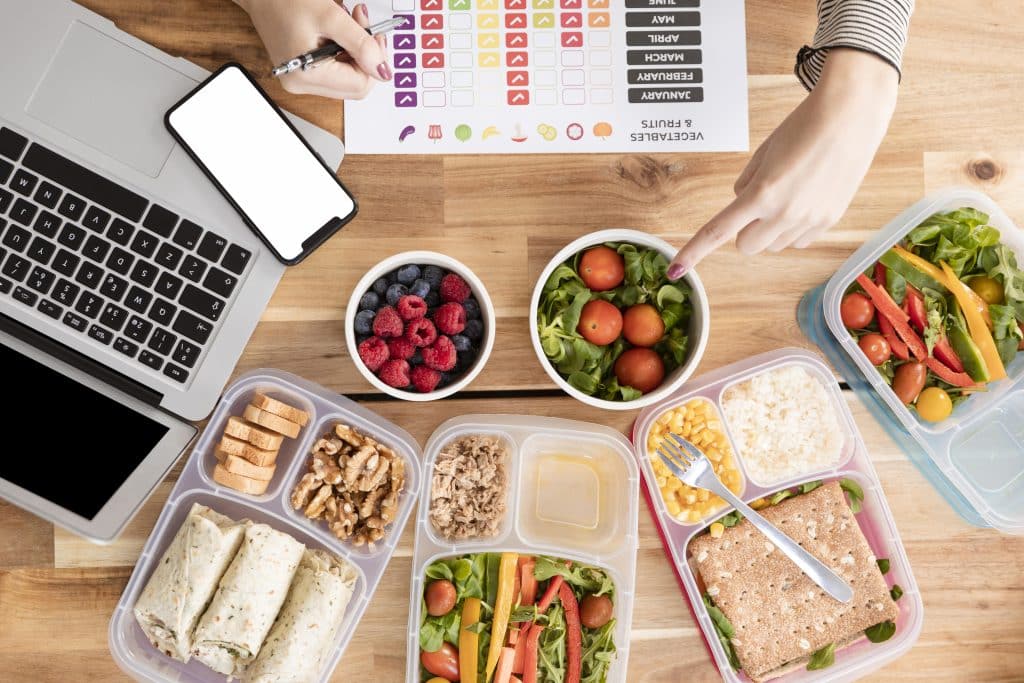
Why Healthy Meal Prep Matters in Busy Lives
When schedules get packed, healthy eating is often the first habit to suffer. Grabbing takeout or skipping meals can lead to poor nutrition and lower energy. A 2024 study from the International Journal of Behavioral Nutrition and Physical Activity found that individuals who engaged in meal prepping were more likely to maintain a balanced diet, eat more vegetables, and reduce food waste. The key advantage of healthy meal prep during busy weeks is predictability: with nutritious options ready to go, it’s easier to avoid unhealthy choices and maintain consistency.
Trends Shaping Meal Prep in 2025
Before diving into tips, it’s worth noting the shifts influencing how people meal prep today.
- Plant-forward planning: More households are adopting flexitarian and plant-based approaches, emphasizing vegetables, legumes, and whole grains in meal prep.
- Smart kitchen tools: Air fryers, multicookers, and smart fridges are simplifying batch cooking and storage.
- Sustainability focus: Reusable containers, minimal packaging, and locally sourced ingredients are key drivers in reducing meal prep’s environmental footprint.
- AI-driven meal planning apps: Personalized apps suggest recipes based on dietary goals, available ingredients, and time constraints.
These trends highlight that healthy meal prep during busy weeks is about more than just convenience—it’s about aligning nutrition, efficiency, and sustainability.
Tip 1: Start with a Weekly Meal Plan
Planning is the foundation of effective meal prep. Setting aside 15–20 minutes at the start of the week to outline meals saves hours later. Decide on breakfasts, lunches, dinners, and snacks, then create a shopping list based on those meals. Apps like Mealime and PlateJoy now integrate AI to generate customized plans based on dietary preferences and time available for cooking. Having a plan prevents last-minute decisions that often lead to unhealthy takeout.
Tip 2: Batch Cook Staples for Flexibility
One of the most effective tips for healthy meal prep during busy weeks is to batch cook staples that can be repurposed across different meals. Preparing a large portion of quinoa, roasted vegetables, or grilled chicken can provide the base for multiple dishes. For example, roasted vegetables can be used in grain bowls, wraps, or salads throughout the week. Batch cooking reduces time spent in the kitchen while keeping meals versatile and interesting.
Tip 3: Use the “Mix and Match” Approach
Instead of prepping full meals, prepare components that can be combined in different ways. Proteins, grains, vegetables, and sauces can be stored separately and mixed depending on mood. This method avoids “meal prep fatigue,” where eating the same dish repeatedly becomes monotonous. It also makes it easier to adapt meals to different dietary needs within the household.
Tip 4: Prioritize Nutrient-Dense Ingredients
Healthy meal prep is not just about saving time—it’s about fueling your body with the right nutrients. Stock up on whole foods like leafy greens, lean proteins, legumes, nuts, and seasonal produce. Incorporating a rainbow of vegetables ensures a variety of vitamins and minerals. Frozen produce is also a practical choice for busy weeks since it’s just as nutritious as fresh and has a longer shelf life.
Tip 5: Invest in Quality Storage Solutions
Storage is often overlooked, yet it’s critical for keeping meals fresh and safe. Reusable glass or stainless-steel containers maintain food quality better than plastic, and divided containers are especially useful for portion control. Mason jars work well for layered salads, keeping ingredients crisp until you’re ready to eat. For busy weeks, labeling containers with dates helps track freshness and reduces waste.
Tip 6: Embrace One-Pot and Sheet Pan Meals
Efficiency is key during packed weeks, and one-pot or sheet pan recipes minimize cleanup while maximizing flavor. A single sheet pan of salmon, broccoli, and sweet potatoes can serve as dinner and provide leftovers for lunch. Similarly, one-pot soups or stews can be batch-cooked and portioned out for several days. These meals save both time and energy without compromising on nutrition.
Tip 7: Incorporate Quick-Prep Snacks
Healthy snacks are often overlooked in meal prep, yet they play a crucial role in maintaining energy levels. Preparing snacks like hummus with cut vegetables, fruit with nut butter, or Greek yogurt parfaits helps avoid processed options when hunger strikes. Snack prep can be as simple as portioning nuts into small containers or keeping fresh fruit washed and ready to grab.
Tip 8: Balance Convenience with Sustainability
Busy weeks often tempt people to rely on pre-packaged foods, but sustainability should remain part of the equation. Using reusable silicone bags, beeswax wraps, and compostable containers helps minimize waste. Buying local produce reduces transportation emissions and supports community farmers. Choosing sustainability in meal prep aligns with the broader shift toward eco-conscious living in 2025.
Tip 9: Lean on Smart Appliances and Tools
Modern kitchen technology makes meal prep faster and more efficient. Air fryers create crispy, healthy meals with minimal oil, while multicookers like the Instant Pot allow for pressure cooking, slow cooking, and steaming all in one device. Smart fridges equipped with sensors can track expiration dates, reducing food waste. For busy weeks, these tools can be game-changers, saving both time and effort.
Tip 10: Make Meal Prep a Family or Household Activity
One emerging trend is turning meal prep into a shared experience. Involving children or roommates not only distributes the workload but also builds healthier habits collectively. Families can prep snack boxes together or assign specific tasks like chopping, portioning, or labeling. This collaborative approach turns meal prep into a lifestyle practice rather than a solo chore.
Overcoming Common Challenges in Meal Prep
Even with preparation, challenges can arise. One is the perception that meal prep is time-consuming. The solution is to start small—prep just two or three meals to ease into the routine. Another challenge is taste fatigue; rotating spices, sauces, and cooking methods keeps flavors exciting. Finally, storage space can be limiting, especially in small kitchens, but using stackable containers and freezing portions helps manage space efficiently.
The Bigger Picture: Health, Productivity, and Well-Being
Healthy meal prep during busy weeks offers benefits beyond the kitchen. Consistent nutrition improves energy levels, focus, and productivity. Research published in Nutrients in 2023 found that individuals with structured eating habits experienced better cognitive performance and reduced stress compared to those with irregular meal patterns. Meal prep also supports financial health by reducing reliance on expensive takeout and minimizing food waste. These ripple effects make it one of the most impactful lifestyle habits for modern living.
Conclusion: Healthy Meal Prep as a 2025 Lifestyle Essential
In 2025, healthy meal prep during busy weeks is more than a time-saving tactic—it’s a lifestyle strategy that aligns with health, sustainability, and productivity goals. By planning ahead, using efficient cooking methods, and prioritizing nutrient-dense ingredients, anyone can create meals that support both personal well-being and broader environmental responsibility. The key is starting simple, staying consistent, and adapting to evolving needs. With the right approach, meal prep becomes not just a convenience but a cornerstone of healthier, more balanced living.
References
- Make meal-prepping work for you: https://health.osu.edu
- A Beginner’s Guide to Healthy Meal Prep, https://health.clevelandclinic.org
- The Future of Meal Prep: https://sprwt.io/blog

 How History Shapes Modern Entrepreneurship Trends in 2025