Surprising Ways to Upgrade Your Small Backyard
Daniel Hughes October 28, 2025
Unlock creative ideas for transforming your small backyard into a more beautiful, relaxing, and functional outdoor space. This guide explores clever landscaping inspirations, outdoor lighting, DIY elements, eco-friendly methods, and practical tips to help you make the most of every inch, all while boosting curb appeal and value.
Rethinking Small Backyard Landscaping
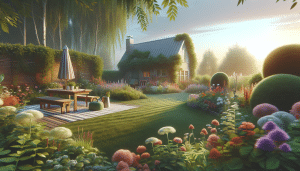
Designing a small backyard may seem limiting at first, but strategic landscaping can create the illusion of more space and enhance your outdoor experience. Using layered plantings, such as tall shrubs in the background and flowering perennials upfront, helps add depth and visual interest. Choosing native plants that thrive in your region not only reduces maintenance time, but also supports local biodiversity, making your garden more sustainable and attractive. Smart placement of pathways, small hedges, and even vertical gardens lets a compact yard feel organized and welcoming without feeling crowded.
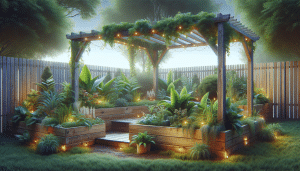
Color and texture play a crucial role in transforming an outdoor area. Paler colors visually expand spaces, so you can try using light-colored mulch, stepping stones, or even a small painted fence to open up the garden. Ornamental grasses, textured foliage, and climbing vines on trellises create movement and curiosity, drawing the eye upward and making the most of limited ground space. Raised beds or multi-level planters allow for greater plant diversity, easy care, and even easier harvesting if you include herbs or vegetables among your blooms.
Small yards benefit greatly from efficient irrigation. Drip irrigation systems are an increasingly popular solution because they reduce water waste while keeping roots hydrated. Pre-planned placements also reduce muddy areas and encourage healthier lawns. If you’re considering new hardscaping, permeable pavers allow rainwater to soak in, preventing puddles and runoff. These water-smart strategies help keep your backyard both practical and eco-friendly (Source: https://www.epa.gov/soakuptherain/soak-rain-rain-gardens).
Creating Cozy Outdoor Living Spaces
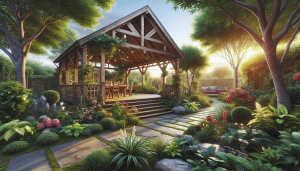
A small backyard can feel much bigger when purposefully divided into zones for lounging, dining, or gardening. Compact, foldable patio furniture offers flexibility, easily transitioning from family gatherings to solo relaxation. Sunken seating areas, weatherproof rugs, or hanging chairs add a sense of privacy and comfort. Mixing up the seating with benches or built-in planters that double as tables makes daily use more practical and fun, enhancing both function and style.
Outdoor lighting transforms a small backyard from simple to stunning. String lights, lanterns, and solar stakes can quickly add ambiance without needing extensive wiring. Layering different light intensities helps define pathways, showcase garden features, and improve safety in the evenings. Smart solar-powered fixtures combine sustainability with convenience, reducing energy bills while providing the perfect glow for night-time gatherings or peaceful retreats (Source: https://www.energy.gov/energysaver/lighting-choices-save-you-money).
Adding a fire pit or small outdoor heater can extend the season of backyard enjoyment well into cooler weather. These features encourage gathering around, making even brief outdoor moments memorable. Consider using gravel or flagstone patios for easy maintenance and quick installation. Pair these hardscape elements with drought-tolerant ground covers, and your living space will feel low-fuss yet always inviting. With a little imagination, your backyard can function as an outdoor living room, inspiring daily relaxation and new family traditions.
Exploring Vertical Gardening Solutions
Vertical gardening has become a favorite technique for maximizing green space in city yards and tight suburban lots. Wall-mounted planters, trellis systems, and even decorative ladders transform bare walls or fences into lush, living displays. This strategy is ideal for herbs, strawberries, trailing flowers, or climbing vegetables like beans and peas. The result? A fresh supply of ingredients steps from your kitchen, or a vibrant wall of color framed by your favorite seating area.
Vertical gardens help solve the challenge of limited square footage, but they also support better plant health. By lifting pots or green walls off the ground, you reduce the risk of soil-borne diseases and pests. Choosing recycled materials for your planters, such as wooden pallets or repurposed gutters, can blend sustainability with style—an eco-forward approach that aligns with many contemporary landscaping goals. Regular rotation and pruning encourage even growth and display, ensuring each plant gets enough sunlight and air circulation.
Integrating vertical gardens with existing elements enhances privacy and creates natural screening. A living wall surrounding a patio, for example, provides both beauty and seclusion. For those interested in smart technology, some vertical systems allow for automated watering, making plant care easier than ever (Source: https://extension.psu.edu/vertical-gardening). Whether your style is rustic or modern, vertical gardening breathes new life into unused spaces, giving your backyard a fresh identity.
Embracing Sustainable Gardening Practices
Sustainability is at the heart of modern home gardening. Composting, using rain barrels, and mulching with natural materials drastically reduce waste while keeping plants healthier. A backyard compost bin transforms food scraps and yard waste into nutrient-rich soil amendments. This not only diverts material from landfills, but also works wonders in improving soil structure, supporting plant vigor, and reducing the need for synthetic fertilizers (Source: https://www.epa.gov/recycle/composting-home).
Choosing native and drought-tolerant plants reduces water needs and maintenance. These resilient species have adapted to local conditions, often thriving without chemical pesticides or excess irrigation. Ground covers can stabilize soil and outcompete weeds without extra labor. For an added ecosystem boost, consider planting pollinator-friendly flowers that attract bees, butterflies, and beneficial insects—an easy way to support nature’s balance and healthy growth all season long (Source: https://www.fs.fed.us/wildflowers/pollinators/gardening.shtml).
Even the smallest backyard can benefit from rain gardens or bio-retention areas. These water-smart designs filter stormwater before it leaves your property, reducing erosion and replenishing groundwater. Rain gardens blend attractively with other plantings and can become a neighborhood conversation piece, demonstrating eco-friendly commitment without sacrificing beauty. Experimenting with sustainable gardening unlocks new growth, while also lowering environmental impacts close to home.
DIY Projects for Personal Touches
The backyard is your canvas for creativity. Simple DIY elements can infuse personality and purpose into compact outdoor spaces. Building a raised bed from reclaimed lumber, crafting a mosaic stepping stone path, or painting old tires for colorful planters are budget-friendly upgrades. These projects add focal points and function, sparking conversation and a sense of accomplishment each time you step outside.
Repurposing household materials is both affordable and sustainable. Think about turning pallets into vertical planters, using glass jars as lanterns, or crafting bird feeders from kitchenware. Such projects encourage recycling, showcase your unique style, and can even become fun family activities. Updated fences or privacy screens, made from bamboo or lattice, can increase comfort and reduce noise, creating a peaceful retreat tailored to your needs.
Personalized outdoor decor, such as hand-painted pots, homemade swings, or water features using salvaged items, brings whimsy and relaxation to the backyard. Incorporate native art, upcycled benches, or whimsical signs for a garden that truly feels like home. By making small changes over time, you’ll find joy not just in the finished product, but also in the process of creation.
Maximizing Curb Appeal and Outdoor Value
Boosting curb appeal isn’t just about impressing neighbors—it’s about creating welcoming spaces for everyday use. Keeping lawns mowed, edges neat, and walkways clear enhances the overall impression of your property. Small backyards are especially responsive to color splashes: seasonal flowerbeds, hanging baskets, or colorfully painted doors lift visual interest. Even a simple new mailbox or tasteful house number can raise visual coherence, subtly transforming the entire look.
Thinking about resale value? Nicely maintained yards attract positive attention from potential buyers. Investing in outdoor lighting, privacy features, and mature plantings can deliver a substantial return. In many regions, well-landscaped yards add up to 15% to total home value, sometimes even more. Upgrades like rain gardens, eco-friendly irrigation, and outdoor seating signal long-term care and sustainability—a huge plus for discerning home seekers (Source: https://www.hgtv.com/outdoors/gardens/planting-and-maintenance/landscaping-ideas-for-small-backyards).
Whether you intend to sell or stay, maximizing curb appeal pays dividends every day. The sense of accomplishment that comes from a well-kept backyard, the daily enjoyment of a blooming view, and the pride in providing a haven for family and wildlife make every small improvement worthwhile. Your small backyard, lovingly upgraded, becomes a showcase of your creativity and care for your home.
References
1. Environmental Protection Agency. (n.d.). Soak Up the Rain: Rain Gardens. Retrieved from https://www.epa.gov/soakuptherain/soak-rain-rain-gardens
2. U.S. Department of Energy. (n.d.). Lighting Choices to Save You Money. Retrieved from https://www.energy.gov/energysaver/lighting-choices-save-you-money
3. Penn State Extension. (n.d.). Vertical Gardening. Retrieved from https://extension.psu.edu/vertical-gardening
4. Environmental Protection Agency. (n.d.). Composting at Home. Retrieved from https://www.epa.gov/recycle/composting-home
5. U.S. Forest Service. (n.d.). Gardening for Pollinators. Retrieved from https://www.fs.fed.us/wildflowers/pollinators/gardening.shtml
6. HGTV. (n.d.). Landscaping Ideas for Small Backyards. Retrieved from https://www.hgtv.com/outdoors/gardens/planting-and-maintenance/landscaping-ideas-for-small-backyards

 What Makes You Choose a Smart Home Now