Secrets Behind Your Gut Health and Wellness
Sophia Clarke September 24, 2025
Unlock the mysteries of gut health and learn how your digestive wellness affects your energy, mood, and immunity. This guide reveals what influences your microbiome and offers trusted insights into habits, foods, and science-backed strategies for balanced gut health.
The Crucial Link Between Gut and Overall Wellness
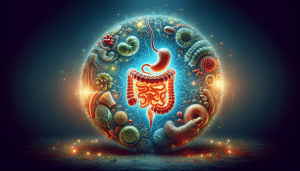
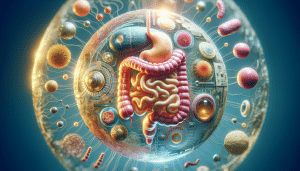
Gut health goes far beyond digestion. The gut is home to trillions of microscopic organisms collectively known as the gut microbiome. These tiny inhabitants play a significant role in physical wellbeing, influencing everything from nutrient absorption to immune responses. A healthy gut can support mental clarity, steady energy, and resistance to disease. Recent research suggests that imbalances in your gut microbiota may even contribute to sleep disturbances and skin concerns, making digestive health a foundation for much more than just a comfortable stomach.
Many underestimate the importance of a robust gut. Every meal you eat, every stressful moment, and even medications can disturb its natural balance. Understanding gut health starts with recognizing its effect on both the mind and body. Studies have uncovered a connection known as the ‘gut-brain axis.’ This communication pathway supports emotional regulation and has been tied to issues like anxiety and mood swings. Keeping this axis healthy begins with mindful habits that nurture your digestive tract and microbiome diversity.
Taking proactive steps to improve gut health doesn’t require drastic interventions. Simple daily choices, like incorporating fiber-rich foods, staying hydrated, and adopting a balanced diet, set the stage for a thriving digestive system. When gut bacteria flourish, the benefits extend to metabolism, nutrient extraction, and even smoother skin. For those experiencing recurring bloating, irregularity, or fatigue, exploring gut health can be a turning point in the pursuit of holistic wellness (Source: https://www.nccih.nih.gov/health/probiotics-what-you-need-to-know).
Understanding the Gut Microbiome’s Hidden Roles
Not all bacteria are bad. The human gut houses countless beneficial bacteria that digest complex carbohydrates, produce vitamins, and shield against harmful invaders. This ecosystem is shaped by genetics and lifestyle, including what you eat, exercise habits, and even your environment. When the microbiome becomes unbalanced, issues such as inflammatory bowel syndrome, allergies, or digestive discomfort can surface. Exploring the composition of your gut microbiome, either through diet tracking or medical advice, can yield surprising clues to well-being.
Emerging science highlights the relationship between gut bacteria and immune function. A healthy gut environment equips your body to fend off viruses and infections. In fact, an estimated 70% of your immune cells reside within the gut lining. Certain probiotic strains, available through fermented foods or supplements, may reduce inflammation and lessen the risk of chronic disease. Still, not all supplements are created equal, so it’s wise to understand which strains align with your wellness objectives (Source: https://medlineplus.gov/probiotics.html).
Beyond immunity and digestion, the microbiome is also tied to mental health. Researchers call the gut ‘the second brain’ due to the neurotransmitters it produces, like serotonin and dopamine. Disruptions in the gut can, therefore, sway mood, focus, and even appetite. Supporting your microbiome with a variety of plant-based foods, limited processed sugars, and attentive self-care can promote both physical vitality and emotional balance. The field is rapidly evolving, with new discoveries shaping approaches to diet, supplementation, and stress management.
Food Choices That Shape Balanced Gut Health
Diet is a powerful tool for shaping your gut microbiota. Fiber-rich vegetables, legumes, nuts, and whole grains act as prebiotics, fueling the helpful bacteria that maintain digestive balance. Adding naturally fermented foods such as yogurt, kefir, sauerkraut, or kimchi brings in probiotics—live organisms that replenish and diversify gut flora. Many find these choices help reduce bloating, increase regularity, and even support immune function through gut-mediated pathways (Source: https://www.hsph.harvard.edu/nutritionsource/probiotics/).
Meanwhile, excess processed sugar, high-fat snacks, and artificially sweetened drinks may disrupt beneficial bacteria. Instead, consider colorful meals loaded with antioxidant-rich berries, leafy greens, and varied grains. Small shifts—like swapping white bread for oatmeal or including beans in soup—can encourage greater microbial diversity. Eating seasonally and trying global cuisines may also introduce new plant fibers and fermented staples for a more robust gut environment.
Staying hydrated matters as well. Water supports the movement of food and waste through the intestines, easing constipation and nourishing gut tissues. For those with dietary restrictions or allergies, seeking tailored advice from a dietitian helps craft a manageable gut-healthy plan. Adapting recipes and experimenting with new flavors keeps the journey engaging, while slow, steady changes are more likely to stick for lasting digestive harmony.
Lifestyle Habits to Support Digestive Wellness
Beyond food, several everyday habits enhance gut health. Regular physical activity stimulates intestinal contraction, helping to move waste efficiently and may reduce the risk of sluggish digestion. Consistent movement doesn’t have to mean high-intensity training; even daily walks or gentle yoga routines can make a noticeable difference for many. Combining movement with mindful eating—chewing food thoroughly and eating while relaxed—allows the body to better prepare for digestion, minimizing discomfort after meals.
Stress management is crucial for gut wellness. Chronic stress has been shown to disrupt normal gut function and alter the composition of microbiota. Practices like mindfulness meditation, breathing exercises, and prioritizing sleep play protective roles. Setting aside moments for relaxation isn’t always easy, but it’s a proven investment in digestive tranquility and overall wellbeing (Source: https://www.sciencedirect.com/science/article/pii/S0168170206002932).
Rethinking common habits—like tobacco use or overuse of certain medications—can also support the gut. Smoking and some drugs, particularly antibiotics or anti-inflammatories, may unintentionally harm helpful bacteria. Consulting with healthcare providers before making changes ensures personal needs are respected. Practicing self-compassion during setbacks fosters a sustainable approach toward supporting digestion and overall wellness.
Recognizing and Responding to Signs of Gut Imbalance
Bloating, gas, frequent discomfort, or irregular bowel movements aren’t just inconveniences—they can be signals. When digestive symptoms are persistent, it’s wise to observe patterns and seek clarity. Journaling meals or symptoms and noting emotional states helps spot potential triggers. Even mild disruptions could indicate shifts in the gut environment or sensitivities to certain foods.
Certain signs are worth discussing with a healthcare provider. Sudden, unexplained weight loss, persistent pain, or recurring infections may require a closer look and, sometimes, diagnostic tests. Some individuals discover sensitivities to lactose, gluten, or fructose. In other cases, an overgrowth of less-helpful bacteria may be influencing symptoms. Early attention and guided interventions often ease discomfort and prevent more complex issues (Source: https://www.cdc.gov/healthyweight/healthy_eating/).
Treatments for gut imbalances are as individual as the causes. Sometimes, dietary adjustments and lifestyle tweaks restore balance. In other situations, prescription or targeted therapies may be recommended. Staying informed, listening to your body, and being open to gradual change can bring greater comfort and a renewed sense of wellbeing. Support is available—nutritionists, gastroenterologists, and online resources offer science-backed guidance to those seeking relief.
Science-Backed Strategies for Lifelong Gut Wellness
Gut health isn’t static. A proactive, science-based approach keeps the digestive system resilient through life’s ups and downs. Regularly rotating foods, choosing a spectrum of plant-based options, and adapting to new scientific insights offer growing benefits. While no rapid fixes exist, consistent, mindful changes lay a foundation for steady wellness and future-proof the body’s defenses (Source: https://www.gutmicrobiotaforhealth.com/gut-microbiota-and-human-health/).
Community wisdom and science align on several key points: frequent antibiotics should be approached with care, hydration supports every digestive process, and variety fuels resilience. Embracing cultural practices—like enjoying fermented foods from diverse cuisines—aligns with global traditions of nurturing gut wellness. New research even points to the promise of personalized nutrition plans based on an individual’s unique microbiome profile.
Empowerment comes from knowledge and experimentation. Whether consulting professionals, reading widely, or trying gentle lifestyle shifts, individuals can chart a course toward vibrant digestive health. The benefits go beyond the gut: improved mood, more restful sleep, clearer skin, and stronger immunity often follow. Gut health becomes a lifelong adventure—one that rewards curiosity, patience, and open exploration.
References
1. National Center for Complementary and Integrative Health. (n.d.). Probiotics: What You Need to Know. Retrieved from https://www.nccih.nih.gov/health/probiotics-what-you-need-to-know
2. MedlinePlus. (n.d.). Probiotics. Retrieved from https://medlineplus.gov/probiotics.html
3. Harvard T.H. Chan School of Public Health. (n.d.). The Nutrition Source: Probiotics. Retrieved from https://www.hsph.harvard.edu/nutritionsource/probiotics/
4. ScienceDirect. (n.d.). Stress and the gut-brain axis. Retrieved from https://www.sciencedirect.com/science/article/pii/S0168170206002932
5. Centers for Disease Control and Prevention. (n.d.). Healthy Eating for a Healthy Weight. Retrieved from https://www.cdc.gov/healthyweight/healthy_eating/
6. Gut Microbiota for Health. (n.d.). Gut Microbiota and Human Health. Retrieved from https://www.gutmicrobiotaforhealth.com/gut-microbiota-and-human-health/

 Unlocking the World of Passive Income Streams