Fitness Routines That Improve Core Strength
Sophia Clarke September 23, 2025
Core strength is one of the most important aspects of overall fitness. It supports nearly every movement, from lifting weights to everyday activities like carrying groceries. A strong core not only enhances athletic performance but also plays a vital role in preventing injuries, improving posture, and supporting overall body stability.
In recent years, core-strengthening routines have shifted from simple abdominal exercises to more functional, dynamic movements that target the entire trunk of the body. These routines are essential for improving balance, posture, and flexibility, and they can be adapted to meet various fitness levels and goals.
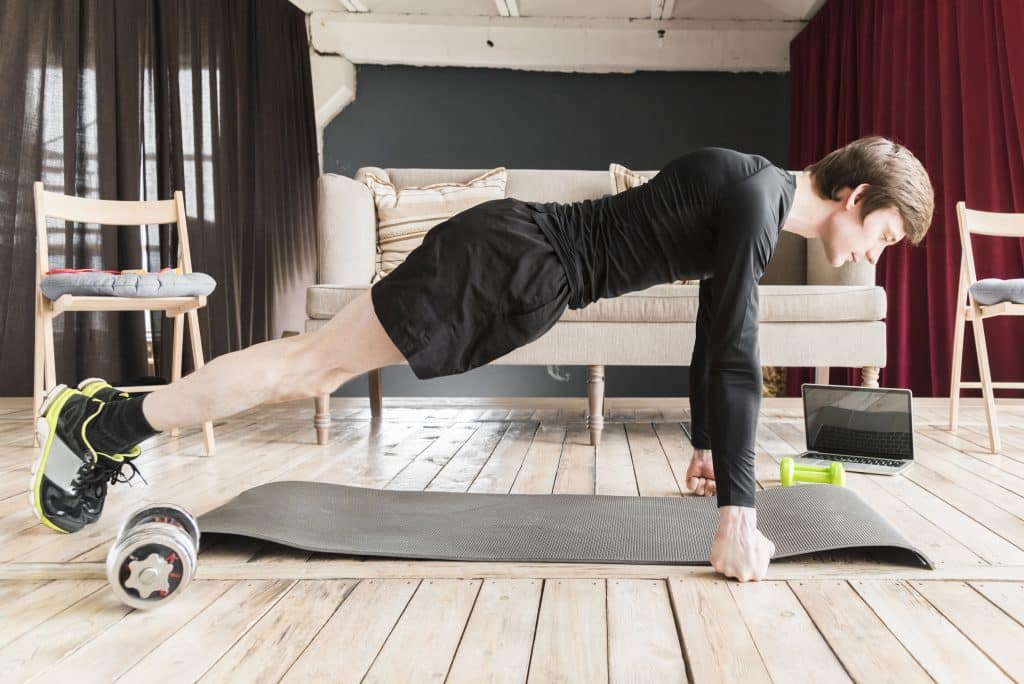
With the growing emphasis on functional fitness, there are many trending core exercises and fitness routines emerging in 2025. This article explores some of the most effective core-strengthening workouts that are gaining popularity. We’ll break down these exercises and offer guidance on how to incorporate them into your routine for maximum core strength.
What Is Core Strength and Why Is It Important?
Core strength refers to the muscles in your abdomen, lower back, and pelvis that stabilize and support your torso. These muscles work together to maintain posture, assist in body movement, and reduce the risk of injuries. Strong core muscles help to stabilize the spine and prevent back pain, which is especially important as we spend a lot of time sitting or standing throughout the day.
The core is not just about having a six-pack or toned abs. It involves several deep stabilizing muscles, including the transverse abdominis, rectus abdominis, obliques, and erector spinae. These muscles work in unison to support your body’s movements and are essential for functional tasks such as bending, twisting, reaching, and even breathing.
With this understanding of what core strength involves, let’s explore the most effective ways to strengthen it.
1. Stability Ball Workouts: A Continuing Trend
The stability ball, also known as the Swiss ball or exercise ball, has been used in core training for years but continues to be a popular and effective tool for strengthening the core. It engages multiple muscle groups by requiring your body to balance and stabilize as you perform exercises.
A standout exercise for improving core strength with the stability ball is the stability ball roll-out. This exercise activates the entire core, particularly the upper and lower abs, as well as the lower back. By rolling the ball out while maintaining a strong core, you work on both stability and strength.
Other core-strengthening exercises using the stability ball include:
- Plank on the ball: This modification of the traditional plank engages the core more than a standard plank because the body must balance on the unstable surface of the ball.
- Wall squats with the ball: While this exercise primarily targets the legs, it also engages the core to maintain proper posture while squatting, providing a full-body workout.
The stability ball is an excellent tool for anyone looking to challenge their core strength while improving overall body stability.
2. Functional Core Training: Strength for Real-Life Movements
Functional training involves exercises that mimic real-life movements. These types of exercises build strength that translates to everyday activities, making them incredibly beneficial for improving functional fitness.
In particular, rotational movements play an important role in functional core training. The obliques, or side abdominal muscles, are activated in rotational movements. These muscles are essential for tasks like twisting, reaching, and bending.
Functional core exercises include:
- Cable rotations: Using a cable machine, you rotate your torso while keeping your core engaged. This mimics movements like swinging a bat, tennis racket, or golf club. It’s a great exercise for improving dynamic rotational strength.
- Russian twists with a medicine ball: This exercise strengthens the obliques by engaging the core during the twisting motion. The addition of a medicine ball helps build more resistance and challenges the stabilizer muscles.
By adding rotational movements to your routine, you build core strength that’s directly applicable to real-life actions, improving everything from athletic performance to daily tasks.
3. Pilates: A Holistic Approach to Core Strength
Pilates has long been known for its emphasis on core strength. This method involves controlled movements, focus on alignment, and deep breathing, which helps target not only the superficial muscles but also the deep stabilizing muscles of the core.
Pilates exercises such as the roll-up and plank with leg lifts are excellent for strengthening the entire core, from the abs to the lower back. Pilates is unique in that it also promotes flexibility and improved posture, which complement the core-strengthening benefits. The precision and control required for these exercises challenge the muscles while promoting overall body awareness.
Here are some specific Pilates exercises to target the core:
- Pilates roll-up: This classic exercise engages the abdominals and helps improve spinal flexibility, targeting the upper and middle abs.
- Plank with leg lifts: This variation of the plank engages the entire core while also activating the hip flexors and glutes. It challenges stability and strength in the trunk.
Pilates is particularly beneficial for people who want to improve both core strength and flexibility, making it an excellent addition to any fitness routine.
4. Isometric Core Exercises: Holding for Strength
Isometric exercises are another highly effective way to build core strength. These exercises require you to hold a position for a certain period, engaging the muscles and improving endurance.
The most well-known isometric core exercise is the plank. When done correctly, planks engage the entire core and improve endurance by forcing the muscles to work without movement. The longer you hold a plank, the more endurance your core develops.
Other isometric exercises include:
- Side planks: Side planks target the obliques, helping to build lateral core strength. Holding the side plank position strengthens the core and improves balance.
- Plank shoulder taps: In this variation, you hold a traditional plank position while tapping your opposite shoulder with one hand. This move challenges the core to resist rotation while maintaining stability.
Isometric core exercises are an excellent way to increase both strength and endurance in the muscles responsible for stabilization.
5. High-Intensity Interval Training (HIIT) and Core Activation
High-Intensity Interval Training (HIIT) is a fast-paced, effective workout method that continues to grow in popularity. HIIT involves short bursts of intense exercise followed by periods of rest. Many HIIT exercises naturally engage the core, providing a great way to improve core strength while also boosting cardiovascular fitness.
Common HIIT exercises like burpees, mountain climbers, and jump squats are great for strengthening the core. For example, burpees require you to engage your core to maintain proper form during the jump and landing phases. Similarly, mountain climbers activate the core as you move your legs in a plank position, requiring stability and strength.
Here are a few HIIT exercises that target the core:
- Burpees: The explosive movement of burpees requires core stability, especially during the jump phase.
- Mountain climbers: This exercise challenges your core to maintain a stable position while your legs move rapidly.
- Jump squats: The upward motion of jump squats engages the core to help stabilize the body during each jump.
Incorporating HIIT exercises into your routine is a great way to strengthen your core while also improving overall fitness levels.
6. Incorporating Core Strength into Your Routine
Building a strong core is essential for overall fitness. Whether you’re aiming to improve posture, reduce the risk of injury, or boost athletic performance, incorporating core-strengthening exercises into your routine is vital. A balanced approach, combining exercises like stability ball workouts, Pilates, isometric holds, and HIIT, can help you develop a resilient, stable core.
Consistency is key when it comes to strengthening your core. Aim to incorporate core exercises into your routine several times a week. Over time, you’ll notice improvements not just in your core strength, but also in your overall fitness, flexibility, and body awareness.
References
- How to Do the Stability Ball Rollout With Perfect Form, https://www.bodi.com
- 17 Pilates Exercises That Really Work Your Core, https://www.self.com
- The 34 Pilates Mat Exercises, https://www.pilatesanytime.com

 Emerging Technologies in Education