Nutrition Tips That Support Mental Clarity
Sophia Clarke September 25, 2025
The connection between what we eat and how we think has become one of the most exciting areas of health research. As more people seek ways to stay focused in an era of constant distractions, interest in nutrition tips that support mental clarity has surged. From nutrient-dense diets to gut-brain health strategies, the latest science shows that food choices can directly affect concentration, memory, and mood. In 2025, nutrition is no longer just about physical health—it’s also about fueling the brain. This article explores emerging dietary trends, research-backed nutrients, and practical tips to help you optimize mental clarity through nutrition.

Why Nutrition Impacts Mental Clarity
The brain consumes about 20% of the body’s total energy, making it highly dependent on the quality of fuel it receives. According to Harvard Medical School (2024), diets rich in whole foods, healthy fats, and micronutrients enhance cognitive performance, while processed foods high in sugar and trans fats contribute to brain fog and memory decline. Similarly, a 2023 review in Nutrients highlighted that certain dietary patterns, like the Mediterranean and MIND diets, are linked to reduced risk of cognitive decline and improved attention. By following nutrition tips that support mental clarity, individuals can stabilize energy levels, enhance neurotransmitter function, and protect long-term brain health.
Trend 1: Prioritizing Omega-3 Fatty Acids
Omega-3 fatty acids, particularly DHA and EPA found in fatty fish, walnuts, and chia seeds, are essential for brain health. Research from the National Institutes of Health (2024) shows that omega-3s support neuron communication and reduce inflammation linked to cognitive decline. Supplementation is also associated with improved attention and reduced anxiety symptoms. Practical tip: Aim for two servings of fatty fish per week or add flaxseed and chia seeds to daily meals. For those who don’t consume fish, algae-based supplements provide a plant-based source of DHA.
Trend 2: The Rise of Gut-Brain Nutrition
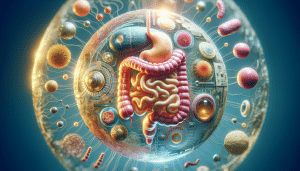
The gut-brain axis, the communication link between the digestive system and the brain, is now a central topic in nutrition science. Fermented foods like kefir, sauerkraut, and kimchi, as well as fiber-rich prebiotic foods, play an important role in supporting beneficial gut bacteria. A 2023 study in Frontiers in Psychiatry showed that probiotic supplementation improved mood and reduced mental fatigue in participants. Practical tip: Include one serving of probiotic foods daily and complement them with prebiotic fibers like oats, bananas, or legumes. This combination helps maintain gut health and supports clearer thinking.
Trend 3: Low-Glycemic Diets for Steady Energy
High-sugar foods cause spikes and crashes in blood glucose, often leading to brain fog. Low-glycemic diets that emphasize whole grains, legumes, and vegetables promote steady energy release and improve mental clarity. According to a 2024 study in The Lancet Public Health, individuals who followed low-glycemic diets reported better focus and fewer mood fluctuations. Practical tip: Replace refined carbohydrates with quinoa, brown rice, or lentils. Pair carbs with protein and healthy fats to slow digestion and stabilize blood sugar.
Trend 4: Hydration as a Cognitive Tool
Even mild dehydration can impair concentration and memory. A 2023 review in the Journal of Nutrition found that a fluid loss of just 1-2% of body weight reduced attention and working memory. In 2025, hydration is recognized as one of the simplest nutrition tips that support mental clarity. Practical tip: Aim for regular hydration throughout the day. Water-rich foods like cucumbers, oranges, and watermelon also contribute to fluid intake.
Trend 5: Polyphenols and Antioxidant-Rich Foods
Antioxidants protect brain cells from oxidative stress, a factor in cognitive decline. Polyphenols found in berries, green tea, and dark chocolate have been linked to improved memory and attention. A 2024 study in Nutrients confirmed that polyphenol-rich diets improve executive function and slow age-related decline. Practical tip: Include a daily serving of colorful fruits and vegetables, especially blueberries, spinach, and green tea, for sustained mental sharpness.
Trend 6: Intermittent Fasting and Brain Performance
Intermittent fasting (IF) continues to gain popularity for both weight management and brain health. Fasting stimulates brain-derived neurotrophic factor (BDNF), a protein that supports neuron growth and cognitive resilience. Research published in Cell Metabolism (2023) showed that IF may improve memory and protect against neurodegeneration. Practical tip: Start with a 12:12 fasting schedule (12 hours eating, 12 hours fasting) before moving to more advanced approaches. Always consult a professional before adopting restrictive eating plans.
Trend 7: Personalized Nutrition and Cognitive Health
Personalized nutrition, guided by genetic testing and biomarker analysis, is an emerging field. In 2025, companies offer DNA-based diet plans that identify nutrient needs for optimal brain function. According to Deloitte’s 2024 Health and Wellness Report, personalized nutrition is expected to grow into a 20 billion market by 2030. Practical tip: For individuals with access, consider genetic or microbiome testing to tailor diets. For everyone else, tracking responses to foods and adjusting intake based on focus and energy levels can serve as a practical alternative.
Trend 8: Caffeine Alternatives for Sustainable Focus
While coffee remains a favorite, excessive caffeine can cause jitters and crashes. Alternatives like matcha, yerba mate, and adaptogenic drinks (containing ashwagandha or rhodiola) are trending in 2025. These provide steady energy and support mental clarity without the downsides of high caffeine intake. Practical tip: Replace one cup of coffee per day with matcha or green tea to maintain alertness while reducing reliance on stimulants.
Trend 9: Protein Timing for Focus and Productivity
Protein provides amino acids that serve as building blocks for neurotransmitters such as dopamine and serotonin. A 2024 article in Nutrients highlighted that protein intake distributed evenly throughout the day supports mood stability and sustained focus. Practical tip: Include protein in every meal, using options like eggs, lean meats, beans, or Greek yogurt. Morning protein intake can be especially effective for setting a clear, focused tone for the day.
Practical Guide: Daily Nutrition Habits for Mental Clarity
Here are simple ways to apply these insights in your daily life:
- Start the day with a protein-rich breakfast, such as eggs with vegetables or Greek yogurt with berries.
- Incorporate fatty fish or plant-based omega-3s at least twice a week.
- Add a serving of fermented food, like kimchi or kefir, each day.
- Replace refined carbs with whole grains and legumes for stable energy.
- Drink water consistently and include hydrating foods in meals.
- Add antioxidant-rich fruits and vegetables, especially berries and leafy greens.
- Limit excess caffeine and experiment with alternatives like matcha.
- Experiment with intermittent fasting if appropriate for your lifestyle.
- Track focus and energy after meals to identify which foods support mental clarity best.
Conclusion: Food as Fuel for the Brain
In 2025, nutrition tips that support mental clarity are at the heart of wellness discussions. From omega-3 fatty acids and probiotics to personalized diets and intermittent fasting, food choices now play a clear role in how we think and feel. As research continues to explore the gut-brain connection and the cognitive impact of antioxidants, more people are realizing that mental clarity begins at the table. By adopting these habits, you can enhance focus, sustain energy, and protect brain health for the long term. Nutrition is no longer just about physical performance—it is a daily investment in mental resilience and clarity.
References
- Association of dietary ω-3 and ω-6 fatty acids intake, https://nutritionj.biomedcentral.com
- Omega-3 Fatty Acids, Cognition, and Brain Volume in Older Adults, https://www.mdpi.com
- A systematic review and dose response meta analysis, https://www.nature.com

 Smart Home Innovations That Simplify Daily Life