Nutrition Practices That Support Cognitive Performance
Sophia Clarke October 1, 2025
In 2025, people are paying closer attention to how nutrition affects cognitive performance. Research indicates that what we eat directly impacts memory, focus, and overall brain health. Several factors influence cognitive function, including nutrient intake, gut health, hydration, and meal timing. Following evidence-based nutrition practices can help improve mental clarity, learning capacity, and long-term brain function.
Personalized Nutrition for Cognitive Health
Personalized nutrition is becoming a major trend in cognitive wellness. Nutrigenomics, the study of how nutrients interact with genes, allows experts to recommend diets based on an individual’s genetic profile. For instance, some people metabolize omega-3 fatty acids, antioxidants, or B vitamins differently due to genetic variations. Tailoring diets to these differences ensures that everyone receives nutrients in the most effective amounts, which can improve focus, memory, and overall cognitive performance.
Practical steps include consulting a registered dietitian knowledgeable in genetic testing, keeping a journal to track how foods affect energy and concentration, and adjusting nutrient intake based on both observations and professional advice. Personalized nutrition transforms brain-boosting strategies into practical actions that are easy to follow.
Gut Health and Cognitive Performance
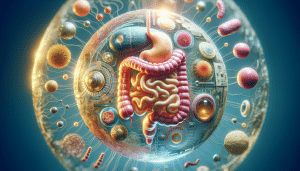
The gut-brain axis, the communication network between the digestive system and the brain, plays a critical role in mental performance. A balanced gut microbiome supports neurotransmitter production, which improves mood, memory, and focus. Conversely, an imbalanced microbiome may contribute to fatigue, mood swings, and reduced cognitive function.
Supporting gut health involves eating fiber-rich foods, prebiotics, and probiotics. Fermented foods such as kimchi, sauerkraut, yogurt, and kefir promote beneficial bacteria. Whole grains, lentils, and leafy greens provide fiber that nourishes the microbiome. A healthy gut also supports the production of serotonin and dopamine, which are essential for mental clarity.
Anti-Inflammatory Diets for Brain Protection
Chronic inflammation can damage neurons and contribute to cognitive decline. Anti-inflammatory diets aim to reduce inflammation while providing nutrients that support brain health. The Mediterranean and MIND diets are especially effective. They emphasize fruits, vegetables, whole grains, lean proteins, and healthy fats while limiting processed foods and refined sugars.
These diets provide antioxidants, omega-3 fatty acids, and polyphenols, which protect neurons from damage. Studies indicate that individuals who follow anti-inflammatory eating patterns often experience improved memory and slower cognitive decline. Simple ways to follow these diets include consuming colorful vegetables, fatty fish, nuts, seeds, and olive oil while avoiding fried foods and sugary snacks.
Functional Foods and Cognitive Boosters
Functional foods and natural nootropics are becoming popular for supporting mental performance. Functional foods contain bioactive compounds that improve brain health, while nootropics may enhance focus, memory, and alertness.
Some effective options include polyphenol-rich foods like berries, dark chocolate, and green tea. Adaptogens such as ginseng and ashwagandha help manage stress, which indirectly supports cognitive function. Caffeine combined with L-theanine, naturally present in tea, increases alertness without causing jitters. Including these foods strategically throughout the day can give the brain an extra boost during demanding mental tasks.
Key Nutrients That Support Memory and Learning
Certain nutrients are vital for supporting memory, learning, and overall cognitive performance. Omega-3 fatty acids, found in fatty fish, flaxseeds, and walnuts, help maintain neuron structure and function. B vitamins, particularly B6, B9, and B12, aid neurotransmitter production and regulate homocysteine, a chemical linked to cognitive decline. Vitamin D supports long-term brain health, while antioxidants like flavonoids and polyphenols protect neurons from oxidative damage.
To include these nutrients in daily meals, try oatmeal topped with berries and walnuts for breakfast. Leafy green salads provide essential B vitamins, and fatty fish at dinner offers both protein and brain-supporting fats. Consistent nutrient intake supports memory, focus, and learning capacity.
Hydration and Mental Clarity
Proper hydration is essential for cognitive function. Even mild dehydration can reduce memory, focus, and problem-solving abilities. Water remains the most effective source, but herbal teas and water-rich fruits like cucumbers, oranges, and watermelon also help maintain fluid balance. Limiting sugary drinks and excessive caffeine supports hydration, which in turn helps sustain mental clarity throughout the day.
Diet and Sleep Quality
Nutrition directly affects sleep, which plays a key role in cognitive performance. Poor sleep negatively impacts memory, attention, and decision-making, whereas good sleep promotes learning and mental restoration. Magnesium-rich foods, including nuts, seeds, and leafy greens, help relax the body. Tryptophan-containing foods like turkey, eggs, and dairy encourage production of sleep-regulating hormones. Avoiding caffeine and heavy meals near bedtime improves sleep quality, enabling the brain to consolidate memories effectively.
Avoiding Cognitive Decline Through Diet
High-sugar and high-fat diets can harm brain health. Consuming excessive processed foods and refined sugars disrupts memory circuits, increases inflammation, and accelerates cognitive decline. Emphasizing whole, nutrient-dense foods helps protect cognitive function. Replace sugary snacks with fresh fruit, choose olive oil instead of butter, and focus on lean proteins and whole grains to support long-term brain health.
Practical Strategies for Cognitive Nutrition
Implementing nutrition practices for cognitive performance can be simple. Effective strategies include:
- Eat Balanced Meals: Incorporate lean proteins, healthy fats, fiber-rich carbohydrates, and antioxidant-rich fruits and vegetables.
- Add Brain-Boosting Foods Daily: Fatty fish, leafy greens, berries, nuts, seeds, and fermented foods support memory and focus.
- Stay Hydrated: Drink water regularly and include water-rich fruits and vegetables.
- Limit Processed Foods: Reduce refined sugars and unhealthy fats that can impair cognition.
- Use Functional Foods and Nootropics: Include polyphenol-rich foods, adaptogens, and natural cognitive enhancers.
- Combine Nutrition With Sleep and Exercise: Quality sleep and regular exercise amplify the benefits of a healthy diet.
Consistent application of these strategies enhances memory, focus, and overall cognitive performance.
Emerging Trends in Cognitive Nutrition
Several trends are shaping cognitive nutrition in 2025. Personalized diets based on genetic testing are now more accessible. Foods targeting the gut microbiome, including probiotics and prebiotics, are increasingly recognized for their mental health benefits. Functional beverages containing adaptogens, polyphenols, and natural nootropics are becoming more popular. Mindful eating practices, such as observing meal timing and portion control, improve both energy and mental clarity.
These trends demonstrate a holistic approach that combines diet, lifestyle, and mental well-being to optimize brain health. Evidence-based strategies allow individuals to enhance cognitive performance while minimizing the risk of long-term decline.
Conclusion
Nutrition is a powerful tool for supporting cognitive performance. Personalized diets, gut-friendly foods, anti-inflammatory eating patterns, functional foods, hydration, and sleep-supporting practices all contribute to better memory, focus, and mental clarity. Applying these evidence-based strategies consistently can protect against cognitive decline and improve daily cognitive function. In 2025, optimizing brain health through nutrition is both practical and achievable.
References
- The MIND Diet: A Detailed Guide for Beginners, https://www.healthline.com
- Exploring the relationship between dietary, https://www.frontiersin.org
- Nutrigenomics and Personalised Nutrition, https://www.nature.com

 DIY Home Projects That Enhance Storage and Style