Interior Design Trends That Make Homes Feel Cozy
Daniel Hughes September 17, 2025
Home is more than a place to live; it’s a sanctuary. As people spend more time indoors due to hybrid work, wellness routines, and lifestyle shifts, the desire to create warm, inviting, and comfortable living spaces has never been greater. Cozy design is not about excess—it’s about creating environments that feel nurturing, personal, and timeless. That’s why interior design trends that make homes feel cozy are among the most popular topics in 2025. From natural textures to layered lighting and multifunctional spaces, these trends bring warmth and character to homes of all sizes.
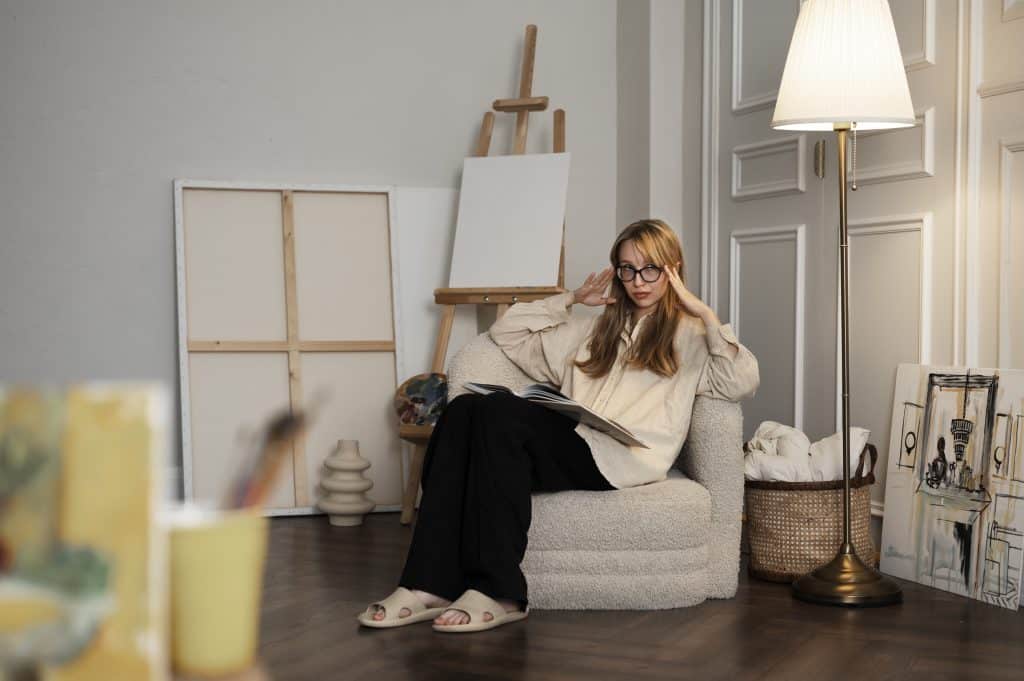
Why Cozy Design Is Trending
The growing focus on well-being and mental health has made comfort a central part of design. Surveys show that homeowners prioritize spaces that feel calm, safe, and personal over purely aesthetic statements. The pandemic years reshaped habits, and now people want homes that reduce stress, encourage connection, and support flexible living. In addition, sustainability movements are influencing cozy design trends, as natural and recycled materials add both warmth and eco-friendly appeal. Cozy design is less about following rigid rules and more about layering textures, choosing comforting colors, and creating intimate spaces that reflect individual lifestyles.
Core Interior Design Trends That Make Homes Feel Cozy
Warm, Earthy Color Palettes
One of the most consistent interior design trends that make homes feel cozy is the use of warm, grounding colors. Soft neutrals like beige, taupe, and cream are being paired with deeper hues such as terracotta, olive green, and rust. These tones create a sense of comfort and stability. Accent walls, cozy throws, and upholstered furniture in earthy shades help create an environment that feels inviting without being overwhelming.
Layered Lighting for Atmosphere
Lighting plays a major role in coziness, and the trend now emphasizes layers of light rather than one overhead fixture. Designers recommend combining ambient, task, and accent lighting to create flexible moods. Warm-toned bulbs, sconces, and dimmable floor lamps give rooms a softer glow. Candle-style LED fixtures and string lights are also making a comeback as they bring intimacy to corners and cozy reading nooks. The goal is to allow rooms to transition from bright and functional to soft and soothing.
Natural Materials and Textures
Texture is central to cozy interiors. Materials like wool, boucle, linen, and reclaimed wood are everywhere in 2025. These add tactile warmth and make rooms feel more lived in. Natural stone countertops, rattan furniture, and clay accessories are also trending because they balance beauty with organic appeal. Layering different textures—like a jute rug under a velvet sofa—creates visual depth that enhances coziness. Homeowners are increasingly combining soft textiles with raw, unfinished materials to strike a balance between ruggedness and comfort.
Biophilic Design and Greenery
Biophilic design—integrating nature indoors—is one of the most popular trends today. Plants soften sharp edges, improve air quality, and bring a sense of calm. Cozy homes are embracing hanging planters, vertical gardens, and oversized leafy plants in corners. Beyond greenery, biophilic elements include natural wood finishes, stone accents, and water features. Sunlight is also being maximized through large windows and skylights. These touches create a connection with nature, which research shows supports relaxation and reduces stress.
Curved and Organic Furniture
Straight lines are giving way to curves in furniture design. Sofas with rounded edges, circular coffee tables, and arched shelving units create a softer feel. Curves are not only visually pleasing but also make rooms feel less rigid and more approachable. This organic trend blends perfectly with the broader emphasis on comfort and relaxation. Many designers note that curved furniture pieces also invite conversation, making them ideal for cozy living rooms or shared spaces.
Layering for Comfort
Layering is one of the easiest ways to create coziness. In 2025, layering goes beyond blankets on a sofa. Designers encourage layering rugs, combining pillows of different textures, and mixing curtains with sheers and heavier drapes. The result is a home that feels dynamic and welcoming. Seasonal layering is also trending—light cotton throws in summer and chunky knits in winter—allowing flexibility while maintaining comfort year-round.
Personalization Through Accessories
Another emerging interior design trend that makes homes feel cozy is personalization. People are moving away from sterile, showroom-style spaces and embracing decor that reflects their personalities. Books, travel souvenirs, family photos, and handmade items bring warmth to interiors. Cozy homes are about authenticity, and curated collections of meaningful items add layers of intimacy and character.
Multi-Functional and Intimate Spaces
As remote and hybrid work continues, small corners of the home are being reimagined as cozy multifunctional areas. Reading nooks with built-in benches, window seats with storage, or small alcoves turned into mini-offices are becoming popular. These intimate spaces allow for focus and relaxation within the same home. The trend highlights the importance of flexible living, where coziness is not compromised by practicality.
Sustainable Cozy Living
Sustainability is deeply woven into 2025 design trends. Eco-friendly materials such as recycled fabrics, bamboo, and cork are being incorporated into cozy interiors. Thrifted furniture and secondhand finds are also popular, adding unique character while reducing waste. Energy-efficient fireplaces and sustainable textiles give homeowners comfort while minimizing environmental impact. The cozy home of today is both warm and conscious of its footprint.
Practical Tips for Creating a Cozy Home
If you want to embrace these trends, start with simple steps that do not require major renovations.
- Add warm-toned lighting with dimmers to adjust ambiance.
- Incorporate soft textiles like throws, rugs, and cushions in layered styles.
- Bring in natural elements through wood accents, stone decor, and indoor plants.
- Choose furniture with rounded edges to soften the look of your space.
- Personalize with meaningful accessories like books, art, or keepsakes.
- Organize corners into functional but cozy zones such as reading or meditation spaces.
- Opt for sustainable materials when updating furniture or finishes.
These tips reflect broader interior design trends that make homes feel cozy while remaining practical and affordable.
The Psychological Impact of Cozy Interiors
Design is not just about appearances—it affects mood and behavior. Cozy homes are linked to lower stress, greater feelings of safety, and improved social connection. Warm colors and soft textures calm the nervous system, while layered lighting improves relaxation. Personal items and plants add a sense of belonging. These psychological benefits are part of why cozy interior design continues to grow in popularity. It is not only about style but about supporting everyday well-being.
The Future of Cozy Interior Design
Looking ahead, coziness will remain central to home design, but it will continue evolving. Expect to see more smart home integrations that allow for customizable comfort, such as lighting that shifts with circadian rhythms. Designers are also experimenting with modular furniture that can adapt to different needs while still maintaining a cozy aesthetic. Sustainability will remain critical, with eco-friendly choices becoming the default rather than the exception. As lifestyles become busier and digital worlds more demanding, the desire for cozy, grounding spaces at home will only grow stronger.
Conclusion
The popularity of interior design trends that make homes feel cozy reflects a cultural shift toward prioritizing comfort, well-being, and authenticity. From warm colors and layered lighting to natural materials, curves, and personalization, these trends show that creating a cozy home is both an art and a practical necessity. Whether through small updates like adding textiles and plants or larger investments in furniture and lighting, anyone can bring warmth and character into their living space.
In 2025, cozy design is not about perfection—it’s about creating spaces that feel welcoming, authentic, and nurturing. By embracing these trends, homeowners can transform their houses into sanctuaries that support both body and mind.
References
- Biophilic Design: https://www.rmcad.edu/blog
- Healthy Dwellings: https://www.dayhousestudio.com
- A systematic review of the impact of therapeutical, https://www.frontiersin.org

 How Sustainable Living Can Reduce Household Costs