Interior Design Solutions That Maximize Comfort
Daniel Hughes October 1, 2025
In 2025, interior design is undergoing a transformation, shifting from minimalist aesthetics to spaces that prioritize warmth, personalization, and tactile comfort. As homeowners seek environments that not only look good but also feel good, designers are responding with innovative solutions that blend style with coziness. This article explores the top interior design trends of 2025 that are redefining comfort in the home.
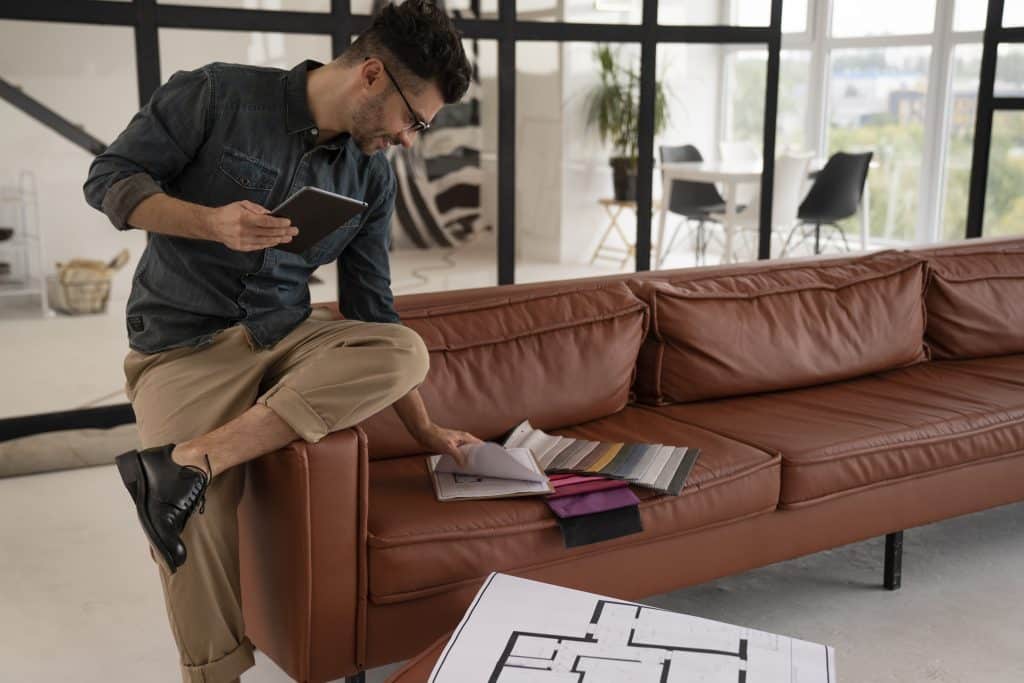
The Shift from Minimalism to Warmth
Minimalism, characterized by its clean lines and neutral palettes, has dominated interior design for years. However, in 2025, there’s a noticeable shift towards warmer, more inviting aesthetics. Designers are moving away from sterile, all-white interiors in favor of spaces that feel lived-in and personal. This change reflects a broader cultural desire for comfort and authenticity in our living environments.
Embracing Earthy Tones
One of the most significant color trends this year is the use of earthy tones. Shades like warm browns, deep greens, and soft beiges are replacing cooler neutrals, creating a homelier and more comfortable atmosphere. These colors are not only visually appealing but also evoke a sense of tranquility and connection to nature.
Personalized, Eclectic Interiors
Gone are the days of perfectly matched furniture sets. In 2025, personalized, eclectic interiors are taking center stage. Homeowners are mixing and matching different styles, incorporating bold statement pieces, and creating spaces that reflect their unique personalities. This approach adds character and warmth to interiors, making them feel more inviting and less staged.
Comfort-Driven Furniture
Furniture in 2025 is designed with comfort as a top priority. The focus is on creating relaxed spaces without compromising on style. Oversized sofas, deep-seated chairs, and rounded edges are key elements of this trend, blending seamlessly with both modern and traditional decor. These pieces invite relaxation and make it easy to unwind after a long day.
Plush Fabrics and Textures
The use of plush fabrics like velvets, bouclé, and corduroy is on the rise. These materials add a tactile element to interiors, enhancing the feeling of comfort. Soft, billowing drapery and plush furniture are trending, marking the beginning of a return to romanticism in interior design. Even in quiet luxury–driven designs, the emphasis is on creating spaces that are both beautiful and inviting.
Sculptural and Organic Shapes
Furniture with soft, rounded forms creates a sense of comfort and approachability. This trend focuses on the softer side of life, with gently curved elements that infuse peace and calm into living spaces. These designs not only look aesthetically pleasing but also contribute to a serene and welcoming environment.
Biophilic Design: Bringing Nature Indoors
Biophilic design continues to gain popularity in 2025, emphasizing the connection between humans and nature. Incorporating natural elements like indoor plants, wood finishes, and natural light fosters well-being and creates a calming atmosphere. This approach not only enhances the aesthetic appeal of a space but also promotes physical and mental health.
Indoor Plants and Greenery
Adding indoor plants is an easy and effective way to introduce biophilic design into the home. Plants improve air quality and bring a touch of nature indoors, making spaces feel more vibrant and alive. Whether it’s a few potted plants on windowsills or a vertical garden wall, greenery adds depth and freshness to interiors.
Natural Materials and Finishes
Using natural materials like wood, stone, and clay in furniture and decor adds texture and warmth to interiors. These materials are not only sustainable but also contribute to a grounded and organic feel. Incorporating them into various elements of the home, from flooring to furniture, creates a cohesive and nature-inspired aesthetic.
Color Trends: Deep, Warm Hues
Color plays a crucial role in setting the tone of a space. In 2025, deep, warm hues are dominating the color palette. Shades like aubergine, terracotta, and smoky jade are being used to create cozy and intimate environments. These colors evoke feelings of warmth and comfort, making them ideal for spaces like bedrooms and living rooms.
Reverse Color Capping
A new approach to color application is the reverse color capping technique, where rich, grounded hues are applied at the bottom of walls, transitioning to lighter shades toward the top. This method creates a sense of grounding while maintaining an airy and open feel. It’s a sophisticated way to add depth and interest to a room without overwhelming the senses.
Sustainable and Personalized Decor
Sustainability remains a key consideration in interior design. Homeowners are increasingly opting for eco-friendly materials and personalized decor items that reflect their values and tastes. This trend includes the use of reclaimed wood, recycled materials, and handcrafted pieces that add character and uniqueness to spaces.
Handcrafted and Artisanal Pieces
Handcrafted items add authenticity and individuality to interiors. Whether it’s a handwoven rug, a ceramic vase, or a custom-made piece of furniture, these items contribute to a space’s personality and warmth. Supporting artisans and small businesses also promotes sustainability and ethical practices in design.
Upcycling and DIY Projects
Upcycling and DIY projects are gaining traction as homeowners look for creative ways to personalize their spaces while being environmentally conscious. Transforming old furniture or decor items into something new not only reduces waste but also adds a personal touch to the home.
Technology in Comfort Design
Technology continues to play a role in enhancing comfort in interior design. Innovations like cordless lighting, smart thermostats, and automated window treatments allow homeowners to create comfortable environments with ease. These technologies contribute to a seamless and convenient living experience.
Cordless Lighting Solutions
Cordless lighting fixtures offer flexibility and convenience, allowing homeowners to place lighting where it’s needed without the constraints of outlets and cords. These solutions are particularly useful in areas where traditional lighting options are impractical, such as outdoor spaces or rooms with limited wall access.
Smart Home Integration
Integrating smart home technology into interior design enhances comfort and efficiency. Automated systems can control lighting, temperature, and security, creating a personalized and comfortable living environment. Voice-controlled assistants and smart devices make it easier to manage various aspects of the home, contributing to a more relaxed and enjoyable lifestyle.
Conclusion
The interior design trends of 2025 reflect a shift towards creating spaces that prioritize comfort, warmth, and personalization. By embracing earthy tones, comfort-driven furniture, biophilic elements, and sustainable practices, homeowners can transform their living environments into havens of relaxation and style. As the focus moves away from minimalist aesthetics, the emphasis is now on creating homes that feel as good as they look.
References
- The Interior Design Trends to Know in 2025—And What’s on Its Way Out, https://www.vogue.com
- The Top 10 Interior Design Trends for 2025, https://sabiinadesign.com
- 20 Interior Design Trends 2025: https://www.decorilla.com

 Fitness Challenges That Are Easy to Follow