Interior Design Ideas That Maximize Space Efficiency
Daniel Hughes September 19, 2025
Maximizing space efficiency in your home is no longer just a practical concern; it has become a design priority. With urban living spaces shrinking and the demand for functional, stylish interiors increasing, innovative interior design ideas are essential for creating homes that feel spacious, organized, and aesthetically pleasing. By employing clever layouts, multi-functional furniture, and smart storage solutions, you can transform even the smallest areas into efficient and welcoming environments.
Emerging trends in interior design emphasize versatility, creativity, and strategic planning. These trends combine functionality with style, enabling homeowners to achieve a balance between beauty and usability. In this article, we explore practical interior design ideas that maximize space efficiency while enhancing comfort and visual appeal.
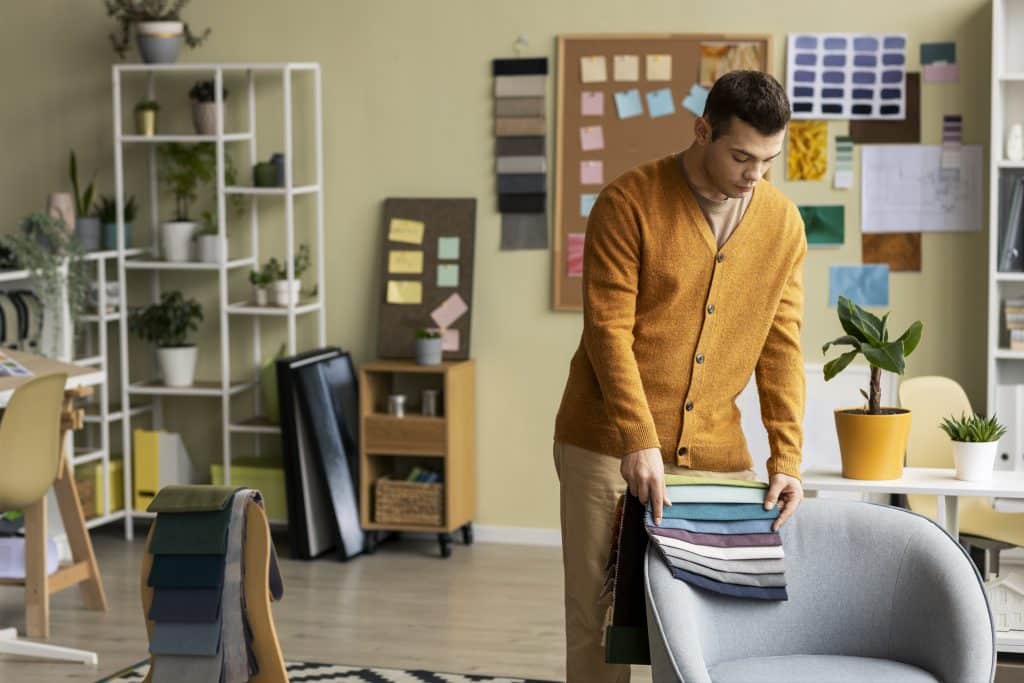
1. Plan Your Layout Strategically
Understanding the layout of your home is the first step toward maximizing space. Proper planning ensures that each area serves a purpose while maintaining a natural flow.
Key Steps for Effective Layouts:
- Measure Every Space: Precise measurements prevent overcrowding and allow furniture to fit seamlessly.
- Identify High-Traffic Zones: Recognize areas that require easy movement and arrange furniture accordingly.
- Use Zoning: Divide spaces into functional zones, such as living, dining, and work areas, without overcrowding.
- Create Focal Points: Feature elements like a fireplace, large window, or artwork to anchor your design and visually expand the space.
A well-thought-out layout serves as the foundation for efficient and stylish interiors.
2. Embrace Multi-Functional Furniture
Multi-functional furniture is a cornerstone of space-efficient design. These pieces provide multiple uses, reducing clutter and optimizing limited space.
Popular Multi-Functional Options:
- Sofa Beds and Daybeds: Perfect for small living rooms that double as guest rooms.
- Extendable Tables: Adjust to fit everyday needs or larger gatherings.
- Storage Ottomans: Hidden compartments for blankets, books, or toys.
- Wall-Mounted Desks: Ideal for home offices in apartments or studio spaces.
Choosing furniture with multiple functions allows you to maximize every square foot without compromising style.
3. Smart Storage Solutions
Efficient storage is essential to maintain a clutter-free home. Modern storage strategies combine practicality with aesthetics.
Effective Storage Ideas:
- Vertical Storage: Tall shelving units or wall-mounted cabinets utilize vertical space, freeing floor area.
- Under-Bed Storage: Boxes, drawers, or rolling containers make use of hidden areas.
- Floating Shelves: Open shelves display items while keeping surfaces clear.
- Hooks and Pegboards: Great for kitchens, bathrooms, or entryways to store everyday essentials.
These storage solutions allow you to keep your home organized while maintaining a visually open environment.
4. Use Light Colors and Reflective Surfaces
Color and materials play a significant role in creating the illusion of space. Light hues and reflective surfaces enhance brightness and make rooms feel larger.
Strategies for Color and Texture:
- Light Walls and Ceilings: White, cream, or soft pastels expand the visual footprint.
- Mirrors: Place mirrors opposite windows to amplify natural light and depth.
- Glass and Acrylic Furniture: Transparent materials reduce visual clutter.
- Glossy Finishes: Semi-gloss or high-gloss surfaces reflect light and create an airy ambiance.
A strategic choice of color and material can significantly improve the perception of space.
5. Maximize Natural Light
Natural light not only enhances mood but also makes rooms appear more spacious. Optimizing light sources is key in small or compact spaces.
Tips to Increase Natural Light:
- Unobstructed Windows: Use sheer curtains or blinds that allow sunlight to flow through.
- Light-Colored Frames and Walls: Harmonize window frames with walls to avoid visual breaks.
- Mirrored Accents: Reflect sunlight deeper into the room to brighten corners.
- Skylights: If feasible, skylights add daylight and a sense of openness.
Bright, naturally lit spaces feel inviting and larger than they are.
6. Declutter and Organize
Clutter diminishes the feeling of space. Minimalist organization keeps your home functional, tidy, and visually appealing.
Decluttering Techniques:
- Regular Evaluation: Donate or store unused items to free space.
- Group by Function: Keep similar items together for easy access.
- Decorative Storage: Use baskets or boxes to hide smaller items.
- Maintain Surfaces: Keep countertops and tables clear for a clean, open look.
Organized spaces not only look larger but also create a calming and efficient environment.
7. Flexible Layouts and Modular Design
Flexibility in furniture and room layouts allows adaptation to changing needs. Open floor plans and movable furniture make spaces dynamic and multi-purpose.
Implementing Flexibility:
- Room Dividers: Sliding panels or curtains create separate areas without permanent walls.
- Modular Furniture: Sectionals, stackable chairs, or foldable tables adjust to different activities.
- Multi-Purpose Zones: Convert dining tables into workspaces or living rooms into exercise areas.
A flexible design ensures that small spaces meet various functional requirements effectively.
8. Vertical and Hanging Decor
Walls can be used creatively to save floor space while adding style and personality. Vertical elements draw the eye upward, giving rooms a taller, more open feel.
Ideas for Vertical Decor:
- Wall Art: Hang pictures or artwork higher to enhance perception of height.
- Floating Shelves: Combine storage and display for plants, books, or collectibles.
- Hanging Planters: Introduce greenery without occupying floor space.
Using vertical and hanging decor increases both functionality and aesthetic appeal.
9. Create Multipurpose Rooms
Maximizing usability in small spaces often requires rooms that serve multiple functions.
Multipurpose Room Examples:
- Home Office/Living Room: Use foldable desks or sofa beds for dual functionality.
- Bedroom/Lounge: Integrate a reading nook or work area without sacrificing comfort.
- Dining/Workspace: Kitchen islands can serve as meal prep areas and study zones.
Multipurpose designs ensure that every area of a small home adds value and versatility.
10. Adopt Minimalism
Minimalism emphasizes intentional design and thoughtful selection of furniture and decor. Less clutter allows the space to breathe and feel larger.
Minimalist Strategies:
- Select Essential Pieces: Focus on quality furniture that serves multiple functions.
- Neutral Palettes: Consistent colors unify spaces and enhance visual flow.
- Harmonized Materials: Use consistent textures and finishes to avoid visual clutter.
Minimalism is not about emptiness; it is about designing a purposeful, streamlined, and elegant home.
11. Incorporate Technology for Efficiency
Smart home technology is increasingly being integrated into small-space interiors. These tools help manage lighting, climate, and security while reducing physical clutter.
Tech Integration Tips:
- Smart Lighting: Automate lighting to adjust according to time of day or activity.
- Voice-Controlled Devices: Reduce the need for multiple control panels.
- Space-Saving Appliances: Compact, multi-function appliances free up valuable room.
Integrating technology enhances both convenience and efficiency in smaller homes.
Conclusion
Maximizing space efficiency in a home requires creativity, planning, and a willingness to adopt modern design strategies. Multi-functional furniture, smart storage solutions, strategic use of light and color, and flexible layouts can transform compact areas into stylish and highly functional living spaces. Incorporating vertical decor, multipurpose rooms, minimalism, and technology further enhances the utility and aesthetic appeal of small homes. By implementing these interior design ideas, anyone can create a space that is comfortable, efficient, and visually appealing, regardless of its size. With careful planning and intentional design, your home can feel spacious, organized, and welcoming.
References
- Light Colors & Reflective Surfaces- https://www.archdaily.com
- Color, Area, Height, Space Perception- https://www.researchgate.net
- Multipurpose / Multifunctional Furniture- https://www.spoken.io

 Travel Trends That Influence Destination Popularity