Hidden Design Tricks That Make Home Feel Luxurious
Elena Martinez September 26, 2025
Uncover simple yet powerful design tricks to bring luxurious flair to your living space. This guide shares how color psychology, layered lighting, sustainable materials, and small-space solutions can transform a home for anyone who craves more comfort and elevated style.
Color Psychology and Its Surprising Impact
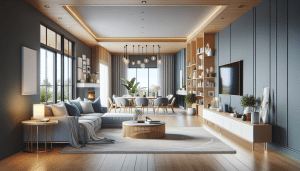
Most luxury homes begin with a carefully chosen color palette. Colors do more than decorate; they set the emotional tone of a room and subtly shape daily experiences. Designers recommend calming blues and muted greens in bedrooms because they promote relaxation, while rich jewel tones in living areas lend a sense of sophistication. Even repainting in soft off-whites or warm taupes offers fresh elegance. Understanding color psychology is a foundation for achieving the look of high-end interiors, and exploring popular designer color palettes can inspire your new direction. Warm neutral colors like creams and gentle golds often make spaces feel both bigger and more welcoming, helping you maximize natural lighting and create seamless transitions from room to room.
The psychological impact of colors on mood has been widely studied. Shades such as gentle mauve or smoky charcoal communicate understated elegance. The effect goes beyond what the eye sees; subtle color shifts can calm nerves or spark creativity. For instance, pale blues encourage restfulness in bedrooms, while sunlight-inspired yellows can lift the vibe in kitchens. By intentionally layering shades—using accent walls, painted doors, or even colorful furnishings—one can experiment with personality without overwhelming the eye. Even renters have options; peel-and-stick wallpapers and removable decals abound, letting anyone try trending color combinations with little risk.
Strategic color placement is another expert trick for shaping perceptions of space. Dark ceilings add a cozy, intimate feel, while painting floorboards in a contrasting shade grounds the room. Using mirrors in conjunction with lighter hues opens up small apartments, drawing the eye toward the brightest parts of a home. The right color story can also help blend old and new furnishings, unify mismatched decor, and increase the sense of coherence—essential for a luxurious, magazine-worthy home. If the goal is to upgrade the vibe of your living spaces, start with a mindful, informed approach to color.
Layered Lighting for Warmth and Depth
Lighting can make or break the feeling of luxury. Designers rarely rely on a single overhead fixture—layered lighting combines ambient, task, and accent sources to add both function and dimension. For example, wall sconces soften the perimeter light, pendant lamps highlight a reading chair, and dimmable cove lighting creates a serene atmosphere after sunset. By mixing opulent finishes like brass or matte black, you elevate even budget-friendly fixtures into focal points. Lighting also helps highlight your favorite artwork, architectural features, or lush indoor plants, drawing attention to what makes your home unique.
Another insider tip involves using different bulb temperatures throughout the day. Cool light sharpens morning routines, while warmer bulbs mimic candlelight in evenings, making spaces feel cozy and elegant. Smart lighting systems—available across various price ranges—allow for instant scene changes with a tap or voice command. Some people invest in programmable LED strips for under-cabinet glows, illuminated bookshelves, or statement stairways. Layered lighting isn’t just practical; it’s a key element in imbuing space with the drama and comfort associated with high-end design.
Remember that the shape of lighting—such as globe pendants, slimline LEDs, or sculptural floor lamps—contributes to the room’s visual story. Strategic lamp placement can highlight textures in fabrics or wall finishes, while reflective surfaces (mirrors, metallics) amplify the effect. It’s possible to transform a bland rental into a luxurious retreat simply by swapping out tired shades and adding a few smart, stylish sources of light. Creative illumination remains one of the most effective home upgrades, no matter the budget.
Sustainable Materials Add Effortless Elegance
Sustainability is no longer a trend—it’s a core value of modern luxury. Today’s upscale interiors increasingly favor renewable, recycled, or upcycled materials. Bamboo flooring, natural-fiber rugs like jute, recycled-glass tiles, and reclaimed timber beams add both texture and eco-conscious character. These materials exude authenticity, providing tactile contrast to sleeker surfaces such as marble or polished concrete. Embracing sustainability can set your home apart and position design choices as an investment in both beauty and environmental responsibility.
Even small changes have impact. Swapping synthetic textiles for organic cottons and linens instantly feels more refined underfoot or as bedding. Salvaged furniture with handcrafted details or antique brass pulls communicates story and substance. In kitchens, integrating recycled glass splashbacks or using reclaimed-wood shelving demonstrates style with a conscience. The most luxurious spaces often contain a blend of old and new—sustainably sourced wood platforms with modern metal bar stools, for instance, or velvet upholstery with vintage flea-market finds. These juxtapositions add personality, ensuring that each home feels curated and lived-in rather than generic.
Discovering sustainable home upgrades doesn’t demand a designer budget. Many major retailers offer eco-certified furnishings and low-VOC paints at accessible price points. Online platforms connect shoppers to artisan makers, custom furniture, or handmade ceramics from around the world. Emphasizing sustainability signals refinement and discernment, conveying luxury through choices that reflect a deeper awareness of the world and its resources. Ultimately, a well-styled sustainable home welcomes guests and soothes everyday routines alike.
Smart Storage Solutions Disguise Clutter
Luxe homes rarely reveal chaos. Innovative storage solutions hide life’s messes and highlight what’s beautiful. Modular shelving, built-in banquettes with hidden bins, and multi-purpose furnishings (think ottomans with lift lids) allow every object a place. For small spaces, vertical storage—wall-hung organizers, pegboards, floating shelves—frees up floors and makes daily routines more efficient. Everyday clutter like keys, mail, and electronics can vanish into attractive baskets or lidded ceramic boxes, clearing visual distractions and enhancing harmony.
It’s not just about purchase—it’s about creative thinking. Repurposing vintage trunks as guest room nightstands or converting a narrow closet into a chic bar area adds character as well as functionality. Drawer and closet organizers, under-bed storage, or stackable cubes maximize every square foot in urban apartments. Labeling shelves, grouping like items, and setting up drop zones for outdoor shoes or pet accessories keep busy homes running smoothly. The goal is to let artful objects and luxurious materials shine, rather than getting lost amid disorganization.
Smart storage preserves and highlights your home’s best features. Designer kitchens rely on clever systems—pull-out pantries, over-the-door hooks, under-sink compartmentalization. Living rooms come alive with statement bookcases or gallery walls, where books and art crowd out the mundane. Not only does this approach create an aesthetic experience, but it also makes tidying up simple. When everything has a designated place, daily life feels more manageable and the luxurious results show at every turn.
Accessorizing for Visual Impact
Accessories are like jewelry for your home, providing the finishing touch that elevates style. Plush throws, bold art, metallic trays, or hand-blown glass vases add both color and texture. No need to splurge—sometimes less is more. A large mirror or oversized canvas can serve as a compelling focal point without overwhelming a room. By rotating accessories seasonally or choosing a unifying color accent, spaces stay fresh and reflect changing moods. This flexibility allows for experimentation, letting you discover which shapes, patterns, and finishes resonate most in your environment.
Designers also endorse the power of greenery. Indoor plants like fiddle leaf figs, snake plants, or trailing pothos instantly breathe new vibrancy into static corners. Besides providing natural beauty, plants improve air quality and promote relaxation. Decorative books, woven baskets, sculptural candles, and artisanal ceramics round out stylish vignettes on coffee tables or shelves. The objective is to create small moments of delight that invite guests (and household members) to linger and enjoy.
Remember, the secret lies in curation, not clutter. Select meaningful or visually striking pieces and group them purposefully. Odd-numbered clusters (three or five objects together) and varied heights create dynamic, gallery-inspired arrangements. Scented candles or diffusers can add a subtle layer of sensory pleasure, deepening the sense of retreat and luxury. Continual editing ensures accessories never overwhelm but instead enhance the serenity and sophistication you’re cultivating at home.
Designing Outdoor Spaces With Luxury in Mind
Luxury isn’t limited to interiors—outdoor spaces deserve equal attention. Whether a small balcony or a spacious backyard, thoughtfully chosen elements can turn basic patios into elegant open-air living rooms. Comfortable furniture with plush cushions, layered rugs, and string lighting set the tone. Potted trees or built-in planters shape privacy and tranquility, while a sculptural fire pit or fountain become striking focal points. Even city dwellers enjoy tucked-away oases with container gardens, trellises, and soft ambient glows after dusk.
Outdoor kitchens and dining zones add sophistication and utility, supporting relaxed gatherings and alfresco meals. Weather-resistant finishes—powder-coated metal, teak, or natural stone—provide both durability and tactile delight. Textiles matter outdoors as much as in; waterproof sofas, lanterns, and woven stools introduce texture and coziness, ensuring yards, decks, and rooftops feel as refined as interior counterparts. Separating areas for lounging, dining, and play maximizes usability and supports a variety of activities.
Smart upgrades boost enjoyment and value. Solar-powered lights or Wi-Fi-enabled sound systems seamlessly combine technology with relaxation. Privacy screens, climbing vines, and curated plantings enhance seclusion while encouraging connections with the natural world. Regardless of size, outdoor zones become an extension of your luxe home when intention guides each choice. Elevated outdoor living transforms everyday routines and enhances what’s possible in personal retreats and family celebrations alike.
References
1. U.S. Environmental Protection Agency. (n.d.). Sustainable Materials Management. Retrieved from https://www.epa.gov/smm
2. American Psychological Association. (n.d.). Color Psychology: Does It Affect How You Feel? Retrieved from https://www.apa.org/topics/color-psychology
3. U.S. Department of Energy. (n.d.). Lighting Choices to Save You Money. Retrieved from https://www.energy.gov/energysaver/lighting-choices-save-you-money
4. Cornell University. (n.d.). Indoor Plants as Air Purifiers. Retrieved from https://ecommons.cornell.edu/handle/1813/43832
5. National Association of Home Builders. (n.d.). Outdoor Living: Designing an Outdoor Retreat. Retrieved from https://www.nahb.org/other/consumer-resources/outdoor-living
6. University of Illinois Extension. (n.d.). Using Color in the Home. Retrieved from https://extension.illinois.edu/homecolor/strat.cfm

 Secrets to Making Your Dream Vacation Affordable