Gardening Techniques That Maximize Growth
Daniel Hughes October 1, 2025
Gardening in 2025 is evolving beyond traditional planting methods. Home gardeners and urban farming enthusiasts are increasingly seeking gardening techniques that maximize growth, improve yield, and enhance sustainability. With limited space, changing climates, and new technology, achieving a flourishing garden requires both creativity and strategy. Modern gardening methods now blend science, technology, and environmentally conscious practices to ensure plants grow healthier and faster while conserving resources. This article explores emerging trends, practical tips, and innovative techniques that help gardeners achieve maximum growth and long-term success.
Vertical Gardening for Space Optimization
One of the most significant trends in urban gardening is vertical gardening. This technique allows gardeners to grow more plants in smaller spaces by utilizing vertical surfaces such as walls, fences, and trellises. Vertical gardening not only maximizes growth potential but also improves air circulation, reducing disease risks.
- Wall-mounted planters: Perfect for herbs, small vegetables, or flowers.
- Trellises and cages: Support climbing plants such as tomatoes, beans, or cucumbers.
- Stacked pots and towers: Multi-tiered containers increase plant density in limited areas.
Vertical gardening is particularly effective for urban environments, rooftop gardens, and patios. It helps gardeners achieve higher yields without expanding horizontal space, making it an efficient solution for modern living.
Hydroponics and Soil-Free Systems
Hydroponics is a soil-free gardening method that uses nutrient-rich water solutions to support plant growth. This technique has gained popularity due to its ability to maximize growth, save water, and reduce pests and soil-borne diseases.
- Nutrient Film Technique (NFT): Plants grow with roots in a thin stream of nutrient solution, allowing rapid nutrient absorption.
- Deep Water Culture (DWC): Plant roots are submerged in oxygenated water for consistent nutrient delivery.
- Aeroponics: Roots are misted with nutrient solution, promoting faster growth and higher yields.
Hydroponic systems are increasingly used for leafy greens, herbs, and even fruiting crops. They are suitable for indoor gardening or areas with poor soil quality and allow year-round cultivation under controlled conditions.
Companion Planting for Growth and Pest Control
Companion planting is a natural technique that promotes healthy growth and pest resistance by pairing compatible plants. When executed correctly, it maximizes growth without relying on synthetic chemicals.
- Herbs with vegetables: Basil planted near tomatoes can improve flavor and deter pests.
- Three Sisters Method: Corn, beans, and squash grow together, benefiting from mutual support and soil enrichment.
- Flowering plants: Marigolds or nasturtiums repel harmful insects while attracting pollinators.
This approach not only boosts productivity but also enhances biodiversity in the garden, creating a more balanced ecosystem that supports plant health.
Soil Health and Organic Fertilization
Healthy soil is the foundation of any thriving garden. Soil quality directly influences growth, nutrient availability, and plant resilience. Modern gardeners are increasingly adopting organic and sustainable fertilization practices.
- Composting: Transforming kitchen scraps and yard waste into nutrient-rich compost enriches soil naturally.
- Organic fertilizers: Using natural products such as bone meal, fish emulsion, or kelp extract provides essential nutrients.
- Mulching: Organic mulches retain moisture, regulate soil temperature, and suppress weeds.
Investing time in soil health ensures that plants receive balanced nutrients and grow more vigorously, supporting long-term productivity.
Climate-Adaptive Gardening Techniques
Climate change and extreme weather conditions have influenced gardening practices in 2025. Gardeners are exploring adaptive techniques to protect plants while maximizing growth.
- Raised beds: Improve drainage, soil warmth, and root aeration.
- Row covers and tunnels: Protect plants from frost, pests, and heavy rain.
- Drought-tolerant planting: Selecting native or resilient plant varieties reduces water dependence.
By adapting to environmental conditions, gardeners can maintain steady growth, prevent stress-related damage, and optimize yields despite fluctuating weather.
Smart Irrigation Systems
Efficient water management is essential for maximizing growth and conserving resources. Smart irrigation technologies have become increasingly accessible and allow precise control over watering schedules and amounts.
- Drip irrigation: Delivers water directly to plant roots, minimizing evaporation and runoff.
- Soil moisture sensors: Monitor soil hydration and trigger automated watering only when necessary.
- Smart timers and apps: Enable remote management and ensure consistent hydration.
Implementing smart irrigation reduces water waste, prevents overwatering, and promotes healthier root systems, contributing to faster and stronger plant growth.
Indoor and Container Gardening
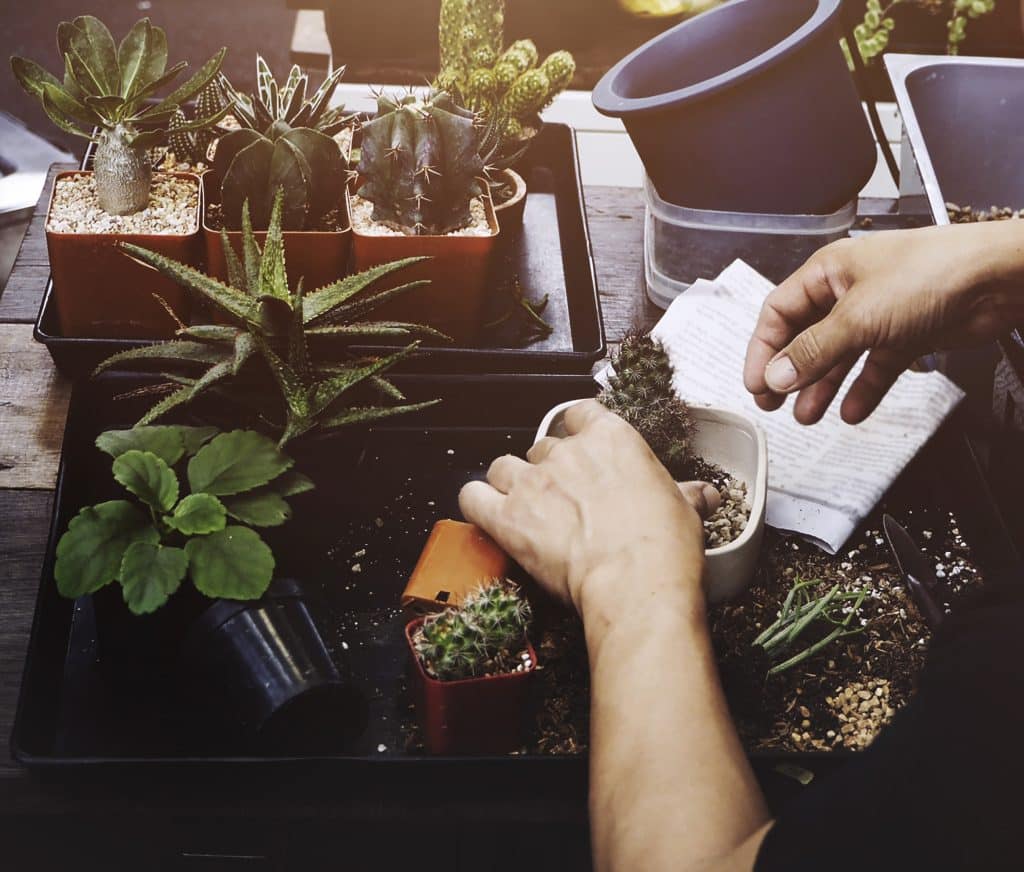
Indoor and container gardening have gained popularity as urban living spaces shrink and interest in fresh, homegrown produce rises. Maximizing growth in containers requires careful attention to space, light, and nutrients.
- Pot selection: Ensure adequate size and drainage to prevent root crowding.
- Vertical stacking: Layered containers or hanging planters increase planting density.
- Supplemental lighting: LED grow lights provide optimal light intensity and spectrum for indoor growth.
Container gardening allows flexibility, portability, and the ability to grow crops year-round, even in apartments or areas with limited outdoor space.
Seasonal Planning and Crop Rotation
Strategic planning is essential for long-term growth optimization. Seasonal planning and crop rotation reduce soil depletion and prevent pests and diseases.
- Succession planting: Staggered planting ensures continuous harvests throughout the season.
- Crop rotation: Alternating plant families in the same bed improves soil fertility and minimizes pest buildup.
- Intercropping: Planting compatible crops together increases yield and utilizes space efficiently.
These methods encourage sustainable growth and maintain garden productivity over time, making them a critical component of advanced gardening practices.
Utilizing Technology for Growth Monitoring
Modern gardeners increasingly rely on technology to monitor and optimize growth. Smart tools and sensors provide insights into plant health, environmental conditions, and growth patterns.
- Environmental sensors: Measure temperature, humidity, and light exposure to maintain ideal conditions.
- Mobile apps: Track watering schedules, fertilization, and growth progress.
- AI analytics: Provide data-driven recommendations for pruning, harvesting, and pest management.
Integrating technology into gardening practices enables informed decision-making and maximizes plant potential, even for those managing multiple crops or limited space.
Tips for Maximizing Growth
- Know your plant needs: Each species requires specific light, water, and nutrient conditions.
- Monitor soil regularly: Test soil pH and nutrient levels to adjust fertilization strategies.
- Use high-quality seeds and seedlings: Healthy starts increase the likelihood of vigorous growth.
- Prune and train plants: Proper pruning encourages airflow and strengthens stems.
- Invest in supportive structures: Trellises, cages, and stakes promote vertical and healthy growth.
- Maintain pest vigilance: Regularly check plants to prevent infestations before they spread.
By following these tips, gardeners can create a thriving, high-yield garden while maintaining sustainable and efficient practices.
Conclusion
In 2025, gardening techniques that maximize growth are more sophisticated, accessible, and sustainable than ever. Vertical gardening, hydroponics, companion planting, and smart irrigation combine science and creativity to increase yields, conserve resources, and enhance the overall gardening experience. Soil health, climate-adaptive methods, and technological tools empower gardeners to grow stronger, healthier plants while navigating urban and environmental challenges. Whether cultivating a backyard garden, balcony planters, or indoor crops, these practices ensure that every gardener can achieve optimal growth, productivity, and satisfaction.
References
- Plant Partners: 5 Benefits of Companion Planting, https://hgic.clemson.edu
- Vertical and Urban Gardening, https://drearth.com
- As urban gardening gains more popularity, https://dug.org

 Wellness Practices That Improve Mental Clarity