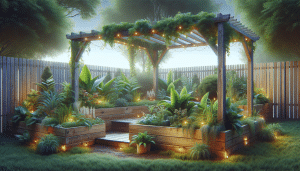
Gardening Practices That Support Sustainability
Daniel Hughes September 23, 2025
Sustainable gardening is more than a trend—it’s a necessary shift toward environmental care. As the effects of climate change grow, people are increasingly adopting sustainable practices to reduce their environmental footprint. Sustainable gardening doesn’t just benefit the planet; it also creates healthier, more resilient gardens. Whether you’re new to gardening or an experienced gardener, these eco-friendly practices help nurture plants while protecting natural resources.
This article explores the most effective gardening practices that promote sustainability. These practices help conserve resources, support biodiversity, and improve soil health.

1. Water Conservation: A Key Element of Sustainable Gardening
Water is a precious resource, and conserving it is crucial in sustainable gardening. With rising concerns about water scarcity, gardeners must adopt smarter ways to use water. Efficient water usage promotes healthier plants and helps conserve this vital resource.
Effective water conservation practices:
- Drip irrigation systems: Drip irrigation delivers water directly to plant roots, reducing water waste and ensuring plants get enough moisture. This method is particularly effective for vegetable gardens and landscaping.
- Rainwater harvesting: Collecting rainwater with rain barrels allows you to water your garden with free, natural water. This practice reduces reliance on municipal water systems.
- Mulching: Organic mulch, like wood chips or straw, retains moisture in the soil and reduces the need for frequent watering. It also helps control weeds and improve soil quality.
- Moisture monitoring: Use soil moisture sensors to measure water levels in the soil. These sensors prevent over-watering and help maintain proper hydration for plants.
According to The Nature Conservancy, drip irrigation and rainwater harvesting can reduce water use by up to 50% compared to traditional methods. By implementing these water-saving techniques, you can help conserve water while keeping your garden healthy.
2. Organic Gardening: Avoiding Harmful Chemicals for Better Soil
Organic gardening is a sustainable practice that focuses on avoiding synthetic chemicals in favor of natural methods. By using organic fertilizers and pest control, gardeners can promote healthier soil and reduce pollution. This approach not only benefits the environment but also encourages the growth of beneficial insects and organisms.
Benefits of organic gardening:
- Soil health: Organic gardening improves soil structure and promotes nutrient cycling. Compost, organic mulch, and natural fertilizers enrich the soil without harming its delicate ecosystem.
- Natural pest control: Instead of relying on chemical pesticides, organic gardeners use techniques like companion planting and introducing beneficial insects to control pests.
- Reduced environmental impact: Organic gardening reduces the pollution caused by synthetic chemicals. This leads to cleaner water, healthier wildlife, and a safer food supply.
The National Organic Standards Board states that organic gardening improves soil fertility and reduces environmental damage. By avoiding synthetic chemicals, you contribute to healthier ecosystems and a more sustainable world.
3. Permaculture: Designing Gardens for Long-Term Sustainability
Permaculture is a holistic design approach that mimics natural ecosystems. The goal is to create self-sustaining, resilient gardens that require minimal intervention. Permaculture uses strategies like crop rotation, companion planting, and water conservation to design gardens that work with nature.
Core principles of permaculture:
- Diversity: A permaculture garden includes a wide variety of plants, animals, and insects. This diversity helps maintain balance and strengthens the ecosystem.
- Zone planning: Permaculture divides the garden into zones based on how often each area needs attention. This efficient layout reduces labor and resources.
- Composting and recycling: Composting organic matter reduces waste and improves soil fertility. Permaculture encourages recycling garden waste back into the soil.
- Water management: Techniques like swales and ponds collect rainwater and direct it where it’s needed, minimizing water use and preventing runoff.
Permaculture helps create resilient, low-maintenance gardens that require fewer resources. This method is particularly effective for people who want a sustainable and hands-off approach to gardening.
4. Native Plants: Supporting Local Ecosystems with Low Maintenance
Native plants are a cornerstone of sustainable gardening. These plants are naturally adapted to the local climate, requiring less water, fertilizer, and pest control than non-native species. By choosing native plants, gardeners can help support local wildlife and contribute to biodiversity.
Benefits of planting native species:
- Water efficiency: Native plants are adapted to local weather conditions, making them more drought-tolerant and water-efficient.
- Supporting pollinators: Many native plants provide food and shelter for bees, butterflies, and birds. Pollinators are essential for healthy ecosystems and food production.
- Biodiversity: Planting native species helps maintain local biodiversity, which is critical for ecosystem health and stability.
- Low maintenance: Native plants generally require less upkeep, as they are naturally suited to the local environment. This reduces the need for fertilizers, pesticides, and frequent watering.
The Xerces Society for Invertebrate Conservation advocates for planting native species to help support pollinators and maintain local ecosystems. By planting native plants, you can make a significant impact on your garden and the environment.
5. Sustainable Garden Tools: Reducing Your Environmental Impact
The tools you use in your garden can also contribute to sustainability. Choosing eco-friendly tools and materials can reduce waste and energy consumption, helping to minimize your overall environmental footprint.
Eco-friendly garden tools and materials:
- Solar-powered garden lights: These lights use the sun’s energy to illuminate your garden at night, reducing your electricity use and providing a sustainable lighting solution.
- Recycled materials: Use reclaimed wood, metal, or other recycled materials to build garden structures such as raised beds, compost bins, and fences.
- Biodegradable pots: Instead of plastic pots, choose biodegradable plant containers made from coconut coir, peat, or other organic materials. These pots break down over time and reduce plastic waste.
- Electric tools: Use battery-powered lawnmowers, trimmers, and other garden tools instead of gas-powered ones to reduce emissions and save energy.
Using sustainable tools and materials helps reduce waste and energy consumption, making your gardening efforts even more eco-friendly. As reported by Sustainable Gardening Australia, sustainable tools can help lower your garden’s carbon footprint while improving its overall efficiency.
6. Composting: Closing the Loop on Organic Waste
Composting is a simple yet powerful practice that contributes to sustainability in the garden. By recycling organic waste, you create nutrient-rich compost that enriches the soil, reduces landfill waste, and minimizes the need for chemical fertilizers.
How composting supports sustainability:
- Reduces waste: Composting helps reduce organic waste that would otherwise end up in landfills. This reduces methane emissions, a potent greenhouse gas.
- Improves soil quality: Compost adds vital nutrients and organic matter to the soil, improving its structure, fertility, and moisture-holding capacity.
- Supports plant growth: Compost enhances soil health, helping plants grow stronger and more resilient, which leads to healthier gardens and reduced need for synthetic fertilizers.
According to The Composting Council, composting can reduce landfill waste by up to 30% and improve soil health over time. By starting a composting program, you can create a sustainable garden while reducing your environmental impact.
Conclusion: Gardening for a Greener Future
Sustainable gardening practices offer many benefits, from conserving resources to supporting biodiversity. By adopting water conservation techniques, organic gardening methods, and permaculture principles, you can create a garden that is both eco-friendly and productive. Choosing native plants, using sustainable tools, and composting organic waste further enhances your garden’s sustainability.
As the world faces growing environmental challenges, sustainable gardening provides an accessible and impactful way to contribute to the health of the planet. Whether you’re growing vegetables, flowers, or simply creating a beautiful outdoor space, these practices will help you nurture your garden while protecting the environment for future generations.
References
- How to Create a Hügelkultur Garden, https://www.bhg.com
- SUPPLYING PROFESSIONAL GROWERS FOR OVER 60 YEARS, https://www.jfhhorticultural.com
- 6 Steps to a Sustainable Garden: https://www.skh.com

 Emerging Trends in Real Estate Investment