Gardening Ideas That Enhance Outdoor Spaces
Daniel Hughes September 26, 2025
In 2025, gardening has evolved from a simple hobby to a key component of lifestyle design. Outdoor spaces are no longer just for relaxation; they have become vibrant, functional areas that blend beauty with purpose. From sustainable practices to creative designs, the latest gardening trends focus on enhancing the aesthetic and ecological value of your outdoor spaces.
Whether you’re working with a sprawling garden or a small patio, there are numerous ways to enhance your outdoor areas. In this article, we will explore innovative gardening ideas that not only beautify your space but also improve your overall well-being. With the growing interest in sustainability, wellness, and unique design, let’s dive into the gardening trends that will redefine your outdoor space in 2025.
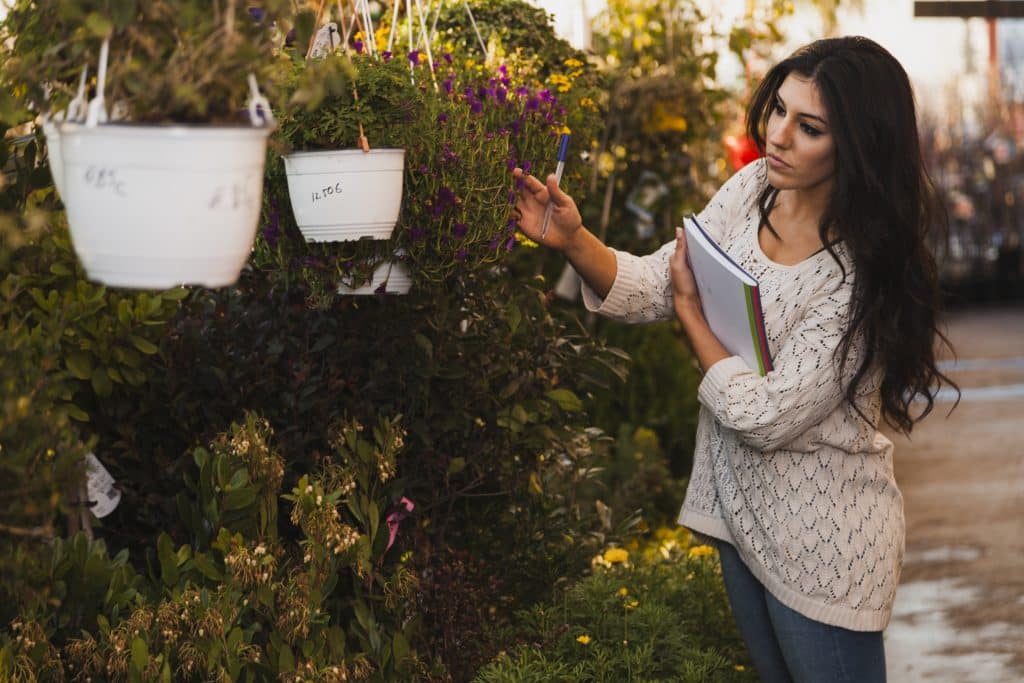
The Growing Importance of Gardening in Outdoor Spaces
Gardening has long been a way to connect with nature and create visually appealing spaces. However, in recent years, gardening has taken on new importance. More people are recognizing its role in enhancing mental and physical well-being. In fact, studies have shown that gardening can reduce stress, increase physical activity, and promote a sense of accomplishment. As urban spaces become more congested, people are looking to their outdoor areas as a retreat from the hustle and bustle of daily life.
Gardening also plays a critical role in improving environmental sustainability. The trend toward eco-friendly gardening practices is growing in popularity, as individuals strive to reduce their carbon footprints while fostering biodiversity. In 2025, gardening is no longer just about making your outdoor space look beautiful—it’s about making it functional, sustainable, and connected to the environment.
1. Sustainable Gardening: Eco-Friendly Practices for the Future
Sustainability continues to be a dominant trend in gardening. As climate change and environmental degradation become increasingly urgent concerns, gardeners are adopting practices that not only conserve resources but also promote biodiversity and ecological health. Sustainable gardening isn’t just about using fewer chemicals—it’s about creating an environment that nurtures the planet.
Key Sustainable Gardening Practices:
- Native Plants: Using native plants in your garden can conserve water and provide habitats for local wildlife. Native species are adapted to your region’s climate and soil, reducing the need for chemical fertilizers and pesticides.
- Rainwater Harvesting: Collecting rainwater is a simple yet effective way to reduce water usage in your garden. Rainwater can be used to irrigate plants, reducing dependence on municipal water systems.
- Composting: Composting food scraps and yard waste creates nutrient-rich soil while reducing landfill waste. This practice enhances soil health and promotes plant growth without the need for synthetic fertilizers.
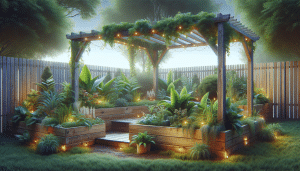
- Vertical Gardens: In urban areas where space is limited, vertical gardens offer a way to grow plants in small spaces. These gardens can be set up on walls, balconies, or fences, turning unused space into a lush, green area.
Sustainable gardening not only reduces your environmental footprint but also creates a resilient and thriving garden that benefits the planet and your well-being.
2. Edible Gardens: Growing Your Own Food
As the interest in home-grown food continues to grow, edible gardening is one of the top trends for 2025. Growing your own food is not only rewarding but also promotes health and sustainability. Whether you have a large backyard or a small balcony, there are numerous ways to incorporate edible plants into your outdoor space.
Benefits of Edible Gardens:
- Self-Sufficiency: Growing your own vegetables, herbs, and fruits gives you greater control over your food sources. You can enjoy fresh, organic produce right from your garden, saving money and reducing food waste.
- Health Benefits: Fresh produce from your garden is packed with nutrients. By growing your own food, you ensure that you’re consuming high-quality, pesticide-free ingredients.
- Aesthetic Appeal: Edible plants can be just as beautiful as ornamental plants. Raised garden beds, vertical gardens, and container gardening allow you to grow food in a way that complements your outdoor decor.
Popular Edible Plants to Grow:
- Herbs: Basil, mint, rosemary, and thyme are easy to grow and add flavor to your meals.
- Vegetables: Tomatoes, lettuce, carrots, and cucumbers can be grown in both small and large gardens.
- Fruits: Strawberries, blueberries, and dwarf fruit trees thrive in containers or small garden spaces.
Edible gardens are a practical and sustainable way to enhance your outdoor space, providing you with fresh ingredients while promoting a healthier lifestyle.
3. Outdoor Spaces for Relaxation and Reflection
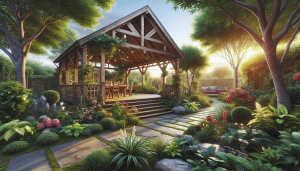
In 2025, gardens are not only places to grow food—they are sanctuaries for rest and reflection. The demand for outdoor spaces that promote wellness is on the rise. People are looking for gardens that not only provide beauty but also offer a sense of peace and tranquility. Whether it’s a peaceful reading nook or a dedicated space for yoga, the garden is becoming an extension of our living rooms.
Ideas to Create Relaxing Outdoor Spaces:
- Meditation Gardens: Create a peaceful retreat by incorporating elements like a water feature, soft lighting, and aromatic plants such as lavender and jasmine. These sensory elements can help you unwind and de-stress.
- Outdoor Lounges: Comfortable outdoor seating areas with cushions, throws, and shade structures are perfect for relaxing or entertaining. Consider building a pergola or installing a hammock to create a cozy, inviting space.
- Fire Pits and Outdoor Heating: Extend your outdoor time into cooler months by adding a fire pit or outdoor heater. These additions create a warm and inviting atmosphere for social gatherings or quiet evenings.
By designing your outdoor space with relaxation in mind, you create a sanctuary that nurtures your mind and body, helping to reduce stress and promote well-being.
4. Smart Gardening: Technology Meets Nature
As technology continues to integrate into every aspect of life, it’s no surprise that smart gardening is making its mark in 2025. Smart gardening tools help homeowners automate tasks, monitor plant health, and optimize their garden’s growth with minimal effort. These innovations make gardening easier and more efficient, especially for those with busy schedules.
Popular Smart Gardening Tools:
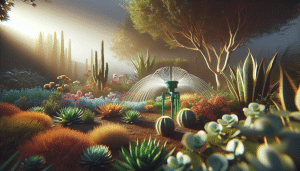
- Smart Irrigation Systems: These systems use weather data and soil moisture sensors to adjust watering schedules. They can save water and ensure that plants receive the right amount of hydration.
- Garden Sensors: These devices monitor factors like soil pH, temperature, and humidity. They send data to your smartphone, so you can adjust your gardening practices in real-time.
- Automated Planters: These self-watering planters are perfect for urban spaces. They can automatically water plants based on their needs, reducing the amount of time and effort you spend maintaining your garden.
Smart gardening tools help make outdoor spaces more efficient, reducing the effort required to maintain a beautiful, healthy garden.
5. The Rise of Biophilic Design: Nature-Inspired Spaces
Biophilic design, which seeks to connect people with nature through the integration of natural elements, is a major trend in outdoor spaces for 2025. This design philosophy promotes well-being by incorporating elements like plants, natural materials, and water features into your environment.
Biophilic Design Elements:
- Indoor-Outdoor Flow: Large windows, sliding doors, and glass walls can create a seamless transition between indoor and outdoor spaces, bringing nature closer to home.
- Natural Materials: Incorporating wood, stone, and other natural materials into your garden structures—such as furniture, pathways, or walls—creates a calming and organic feel.
- Water Features: Fountains, ponds, and waterfalls provide soothing sounds and visual appeal, making your garden a peaceful sanctuary.
By embracing biophilic design, you can create an outdoor space that fosters a deeper connection with nature and promotes a sense of well-being.
Conclusion
Gardening in 2025 is more than just planting flowers and maintaining lawns; it’s about creating outdoor spaces that reflect our values of sustainability, wellness, and creativity. From sustainable gardening practices and edible gardens to relaxing outdoor sanctuaries and smart gardening tools, these trends are transforming the way we design our gardens. Whether you’re looking to grow your own food, create a peaceful retreat, or embrace the latest in garden technology, there are endless possibilities to enhance your outdoor space in 2025. Embrace these trends, and watch your garden flourish into a beautiful, functional part of your home.
References
- 8 Top Garden Trends in 2025: https://www.greenwashingindex.com
- 2025 Garden Trends Report: https://gardenmediagroup.com
- Garden Media Group’s 2025 Garden Trends Report Available Now, https://gardenmediagroup.com

 Wellness Routines That Improve Focus and Productivity