Gardening Ideas That Maximize Plant Growth
Daniel Hughes October 10, 2025
For many gardeners, one of the most satisfying rewards is watching plants thrive and reach their full potential. Whether you are cultivating vegetables, flowers, or ornamental greenery, using smart strategies can make a significant difference in plant health and productivity. Gardening ideas that maximize plant growth go beyond basic watering and sunlight—they involve thoughtful techniques that enrich soil, optimize space, and create the right conditions for strong development.
By applying practical methods, both beginner and experienced gardeners can improve yields, reduce plant stress, and create sustainable gardens. From soil preparation to plant selection, these strategies can help maximize growth while keeping maintenance manageable.
This article explores proven gardening ideas that maximize plant growth and create flourishing, resilient gardens.
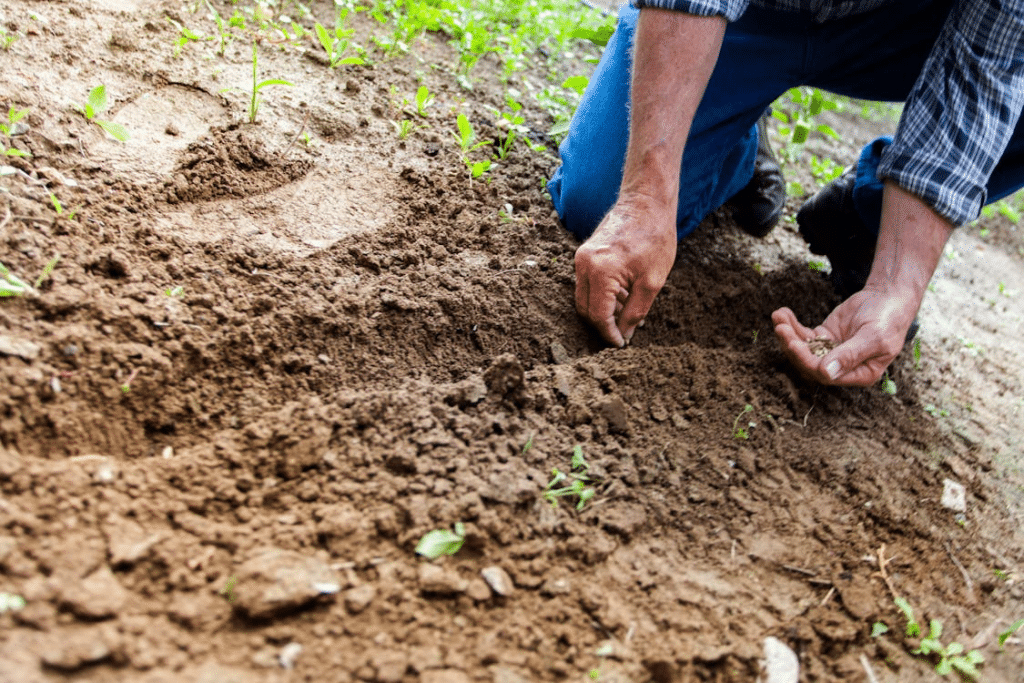
Building Healthy Soil
Soil health is the foundation of plant growth. Without nutrient-rich, well-structured soil, even the best seeds and plants will struggle. To strengthen soil quality:
Add organic compost to enrich nutrients and improve structure
Use mulch to retain moisture and regulate temperature
Rotate crops each season to prevent nutrient depletion
Plant cover crops such as clover to naturally add nitrogen
Healthy soil supports strong root systems and long-term plant productivity.
Choosing the Right Plants for the Right Place
Every plant has unique requirements for light, water, and space. Matching plants with their ideal conditions ensures stronger growth. Consider:
Placing sun-loving plants like tomatoes or roses in full sunlight
Growing shade-tolerant plants such as ferns and hostas under trees
Spacing plants properly to avoid overcrowding
Selecting native species that adapt easily to local climates
Choosing wisely minimizes stress on plants and maximizes performance.
Practicing Efficient Watering
Water is essential, but too much or too little can harm growth. To optimize watering:
Install drip irrigation to deliver moisture directly to roots
Water early in the morning or evening to reduce evaporation
Use rain barrels to collect and reuse natural water
Check soil moisture regularly to prevent overwatering
Consistent watering encourages steady growth and reduces the risk of disease.
Fertilizing Strategically
Plants need nutrients beyond what soil naturally provides. Fertilizing helps, but it must be done carefully:
Choose slow-release organic fertilizers for steady nourishment
Apply fertilizers at the right stage of plant growth
Avoid over-fertilizing, which can damage roots and reduce yields
Supplement with natural amendments like bone meal or seaweed extract
Balanced fertilization ensures plants get the right nutrients at the right time.
Companion Planting for Mutual Benefits
Companion planting is a technique where certain plants benefit each other when grown together. Some examples include:
Planting basil near tomatoes to repel pests and improve flavor
Growing beans with corn to provide natural nitrogen enrichment
Pairing marigolds with vegetables to deter harmful insects
Placing cucumbers near sunflowers for natural shade
This method improves growth and creates healthier ecosystems.
Pruning and Training Plants
Pruning helps plants focus energy on healthy growth rather than excess leaves or branches. Tips include:
Removing dead or diseased branches promptly
Pruning fruit trees to improve air circulation and sunlight exposure
Training vines with trellises or stakes for better structure
Regularly pinching off weak growth to direct energy to stronger stems
Proper pruning encourages stronger, more productive plants.
Maximizing Space With Vertical Gardening
For small gardens, vertical methods allow more plants to thrive in limited areas. Vertical gardening can involve:
Using trellises or arbors for climbing plants
Stacking planters or shelves for herbs and flowers
Hanging baskets for trailing plants
Creating living walls with modular systems
Vertical gardens not only maximize growth but also enhance aesthetics.
Protecting Plants From Pests Naturally
Pests can quickly damage plant growth, but sustainable practices help control them without heavy chemicals. Methods include:
Introducing beneficial insects such as ladybugs
Using neem oil or soap sprays for organic pest management
Installing row covers to protect young plants
Practicing crop rotation to disrupt pest cycles
Natural pest control keeps plants healthy and gardens environmentally friendly.
Seasonal Care and Timing
Timing plays a big role in maximizing growth. Planting at the right season ensures that plants get optimal conditions. To achieve this:
Follow local planting calendars
Start seedlings indoors to extend growing seasons
Use cold frames or greenhouses for early planting
Harvest crops at peak ripeness to encourage continuous production
Aligning gardening with seasonal patterns maximizes yields.
Conclusion
Gardening ideas that maximize plant growth combine preparation, care, and strategy. From building healthy soil and practicing efficient watering to using companion planting and vertical gardening, these techniques create thriving gardens that produce stronger, more resilient plants.
By adopting these approaches, gardeners can enjoy bountiful harvests, vibrant flowers, and healthy landscapes—all while cultivating sustainable practices that support long-term growth.
References
Better Homes & Gardens (2025) Gardening Tips to Improve Plant Growth. Retrieved from https://www.bhg.com/gardening/tips-to-improve-growth
The Spruce (2025) Best Gardening Practices for Healthy Plants. Retrieved from https://www.thespruce.com/best-gardening-practices-healthy-plants
HGTV (2025) How to Maximize Plant Growth in Your Garden. Retrieved from https://www.hgtv.com/outdoors/gardens/maximize-plant-growth
Garden Design (2025) Companion Planting for Better Yields. Retrieved from https://www.gardendesign.com/how-to/companion-planting

 Wellness Routines That Support Emotional Wellbeing