Foods That Help You Feel Better Every Day
Sophia Clarke September 25, 2025
Curious about how foods can boost your mood, energy, and wellness? This practical guide explores the science of nutrition and mental health, spotlighting everyday ingredients proven to support your brain, gut, and body. Discover how simple, tasty choices can enhance how you feel and function long-term.
Exploring the Science Between Food and Mood
Daily choices at the table have remarkable effects on how individuals feel both mentally and physically. Nutritional psychiatry, a growing field, investigates links between nutrition and emotional well-being. More research highlights how a balanced diet aids not just physical health but also helps stabilize moods and emotional resilience. Evidence suggests that certain nutrients directly influence brain chemistry and hormone balance, offering potential benefits for stress and anxiety management in everyday life (https://www.health.harvard.edu/blog/nutritional-psychiatry-your-brain-on-food-201511168626).
Omega-3 fatty acids found in salmon, chia seeds, and walnuts are among the nutrients gaining attention. These healthy fats support brain function and may play a role in managing inflammation. Studies on populations with higher omega-3 intake reveal lower rates of depression and better cognitive performance. While food doesn’t cure mental illness, incorporating sources of omega-3s into regular meals could provide another tool in overall wellness strategies.
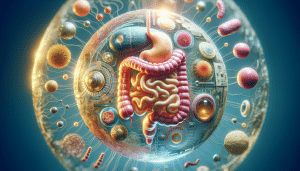
A diverse diet also supports the gut microbiome. The gut, often called the ‘second brain,’ communicates constantly with the central nervous system. Fiber-rich foods like beans, lentils, and berries promote healthy gut bacteria, which research connects to improved mood, sleep, and energy levels (https://www.ncbi.nlm.nih.gov/pmc/articles/PMC5641835/). Eating for wellness means understanding how food shapes not just our bodies, but our thoughts and feelings too.
The Power of Colorful Produce for Wellness
Colorful fruits and vegetables hold hidden powers good for mental clarity and emotional stability. Each bright hue hints at different antioxidants and plant compounds, which help fight cellular damage and slow down age-related decline. For example, berries pack flavonoids, which may improve memory and reduce stress. Dark leafy greens—like spinach and kale—deliver folate, vitamin K, and lutein to support daily cognitive functioning.
Eating a variety of colors ensures a richer mix of nutrients. Orange and yellow vegetables such as carrots, squash, and peppers offer beta-carotene and vitamin C, both linked to immune health and skin vitality. Red produce—tomatoes, strawberries, and watermelon—contains lycopene and anthocyanins, compounds studied for their impact on heart health and inflammation reduction (https://www.hsph.harvard.edu/nutritionsource/antioxidants/).
Practical wellness routines often begin at the grocery store. Adding a new fruit or vegetable to a weekly shopping list can make exploration simple and affordable. Over time, expanding the spectrum of colors on your plate helps the body recover, adapt, and flourish despite life’s daily pressures. This diverse approach can turn mealtimes into moments of self-care and growth.
Balancing Blood Sugar for Energy and Mood
Unstable blood sugar can sap concentration, fuel irritability, and make it harder to feel your best. Pairing carbohydrates with protein and healthy fats is a foundational strategy in nutritional wellness. Complex carbs—like oats, quinoa, brown rice, and whole wheat—digest more slowly, offering steady energy while avoiding sudden spikes and crashes. Such balance is particularly important for those looking to support both productivity and emotional steadiness throughout the day.
Foods rich in magnesium, such as almonds, pumpkin seeds, and black beans, may also help regulate mood swings associated with changes in blood sugar. Magnesium plays a key role in nerve function and stress response. Including magnesium-rich foods during stressful periods can support calmness and improve sleep quality, contributing further to mental clarity (https://ods.od.nih.gov/factsheets/Magnesium-Consumer/).
Savvy snack choices help avoid afternoon slumps. A small serving of nuts or Greek yogurt alongside a piece of fruit can keep energy and focus intact. Integrating protein at breakfast and lunch, as well as limiting sugary treats, prepares the body and brain for greater stamina and resilience—an approach echoed in research on nutrition and cognitive performance.
Fermented Foods and Gut Health Advantages
Fermented foods like yogurt, kimchi, miso, kefir, and sauerkraut contain live cultures known as probiotics. These beneficial bacteria support digestive harmony, immunity, and may have subtle effects on mood and stress response. Gut-brain communication is a two-way street, meaning balanced gut flora can send positive signals to the brain, helping with emotional and stress regulation.
Many individuals notice improvements in digestion and mood after routinely including fermented foods. The science is developing, but studies show that regular consumption may boost the diversity of gut bacteria, which is connected to emotional wellness and even restful sleep (https://www.ncbi.nlm.nih.gov/pmc/articles/PMC5357536/).
Adding a tablespoon of sauerkraut to meals or swapping soda for kombucha introduces beneficial microbes. Not everyone tolerates fermented foods equally, so gradual introductions are key. Each person’s gut microbiome is unique, yet the tendency for improved digestion and mood support remains a common experience among those choosing this strategy.
Mood-Boosting Herbs and Spices to Try
Nature’s pantry includes ancient remedies for daily emotional support. Herbs and spices like turmeric, saffron, and ginger have roles in traditional medicine and are now being explored by modern science for mental health influences. Turmeric’s curcumin compound, for instance, is suggested to promote anti-inflammatory effects in the brain, potentially supporting cognition and resilience under stress.
Saffron, often used in Mediterranean and Middle Eastern dishes, has shown antidepressant-like properties in clinical studies. While these natural options are not prescription therapies, they might enhance the nutritional toolkit for people wanting to maximize wellness with everyday ingredients (https://www.ncbi.nlm.nih.gov/pmc/articles/PMC533861/).
Incorporating more herbs and spices keeps meals exciting and boosts antioxidant intake. For instance, cinnamon helps balance blood sugar, while rosemary has compounds linked to memory. By experimenting with seasoning racks at home, people often discover new favorites that nourish both body and mood, all with minimal effort or cost.
Simple Changes for Long-Term Wellness Impact
Building new habits begins with small, sustainable changes. Swapping sugary sodas for fruit-infused water, packing nuts for snacks, or including an extra serving of vegetables each day can shift mood and endurance over time. Consistency makes a larger impact than short-term restrictive diets, especially when routines are shared with family or friends.
Meal planning can prevent last-minute, less nourishing choices. Home-cooked meals offer control over salt, sugar, and types of fat, allowing a gradual shift toward more fiber, micronutrients, and healthy fats. When time is tight, frozen produce and canned beans still provide valuable nutrients without much prep.
Tracking changes with a food journal helps identify which ingredients truly feel energizing and balancing. Everyone’s body responds differently, which makes self-awareness a valuable piece of the puzzle. Ultimately, exploring what foods work best can transform not just the plate, but overall feelings of vitality and life satisfaction (https://www.cdc.gov/nutrition/resources-publications/daily-food-plan.html).
References
1. Harvard Health Publishing. (n.d.). Nutritional psychiatry: Your brain on food. Retrieved from https://www.health.harvard.edu/blog/nutritional-psychiatry-your-brain-on-food-201511168626
2. Mayer, E. A., & Tillisch, K. (2017). The gut-brain axis: Links between gastrointestinal and psychiatric disorders. Retrieved from https://www.ncbi.nlm.nih.gov/pmc/articles/PMC5641835/
3. Harvard T.H. Chan School of Public Health. (n.d.). Antioxidants: Beyond the hype. Retrieved from https://www.hsph.harvard.edu/nutritionsource/antioxidants/
4. National Institutes of Health Office of Dietary Supplements. (n.d.). Magnesium. Retrieved from https://ods.od.nih.gov/factsheets/Magnesium-Consumer/
5. Marco, M. L., & Tachon, S. (2017). Environmental factors influencing the efficacy of probiotic bacteria. Retrieved from https://www.ncbi.nlm.nih.gov/pmc/articles/PMC5357536/
6. Akhondzadeh, S., Milajerdi, A., & Shab-Bidar, S. (2005). Saffron supplementation and depression: A systematic review and meta-analysis. Retrieved from https://www.ncbi.nlm.nih.gov/pmc/articles/PMC533861/

 Travel Experiences That Inspire Cultural Understanding