Fitness Routines That Fit Remote Work Schedules
Sophia Clarke September 26, 2025
As remote work continues to be a significant part of the modern workforce, employees and entrepreneurs alike are adapting to new work-life dynamics. One of the most pressing concerns for remote workers is how to stay physically active while managing the demands of their work schedules. Many find it difficult to find time for fitness amidst video calls, deadlines, and the distractions of working from home. However, with the right approach, it’s possible to integrate effective fitness routines into remote work schedules without feeling overwhelmed.
In 2025, the fitness industry has evolved to meet the unique needs of remote workers. From quick, efficient workouts to flexible schedules that fit around work commitments, there are numerous options for staying fit without needing a gym membership or a lengthy time commitment. This article explores the best fitness routines that fit remote work schedules and highlights emerging trends in remote fitness for 2025.
Why Fitness Matters for Remote Workers
Remote work offers many benefits, including flexibility and comfort, but it also presents challenges for maintaining physical health. The absence of a structured office environment can lead to prolonged periods of sitting, reduced physical activity, and the temptation to skip workouts. According to a 2024 survey by the American Heart Association, remote workers are 25% more likely to report low levels of physical activity compared to those who work in office settings.
Physical fitness is crucial not only for physical health but also for mental well-being. Exercise has been shown to improve focus, reduce stress, boost mood, and increase productivity. For remote workers, staying active can enhance work performance, combat fatigue, and improve overall health, making it an essential part of a well-rounded remote work routine.
1. Short and Effective Home Workouts
With remote work often blurring the lines between personal and professional time, many workers find themselves struggling to dedicate long periods to fitness. This has led to the rise of short, high-intensity workouts that can be completed in under 30 minutes. These workouts are not only time-efficient but also highly effective in burning calories, improving strength, and boosting energy.
Popular Short Workout Formats:
- HIIT (High-Intensity Interval Training): HIIT workouts alternate between short bursts of intense exercise and brief rest periods, making them perfect for remote workers with limited time. A typical HIIT session lasts between 15 to 30 minutes and can be done with minimal or no equipment.
- Tabata Training: This is a form of HIIT that follows a specific structure—20 seconds of intense exercise followed by 10 seconds of rest, repeated for 4 minutes. Tabata is known for delivering maximum results in a short time.
- Bodyweight Exercises: Push-ups, squats, lunges, and planks are simple yet highly effective exercises that can be done in the comfort of your home, requiring no equipment. These exercises improve strength and endurance while taking little time.
For example, a quick 20-minute HIIT workout in the morning can boost your energy levels for the day ahead without interfering with your work schedule.
2. Stretching and Mobility Routines
Sitting for long hours at a desk can lead to tight muscles, poor posture, and discomfort. To counteract this, stretching and mobility exercises are essential for remote workers. These exercises can improve flexibility, relieve tension, and prevent injury from prolonged sitting. They can be done throughout the day, providing quick relief and enhancing productivity.
Recommended Stretching and Mobility Routines:
- Desk Stretches: Incorporate stretches throughout the day, such as seated twists, shoulder rolls, and neck stretches, to release tension in the upper body.
- Yoga Breaks: Short yoga sessions, focusing on poses like Downward Dog, Cat-Cow, and Child’s Pose, can improve flexibility and reduce back pain. Yoga can be done in as little as 10-15 minutes.
- Foam Rolling: A quick foam rolling session can help release muscle tightness and improve blood flow, particularly for the back, shoulders, and legs.
A few minutes of stretching every hour can help you stay agile and avoid the physical discomfort that often comes with remote work.
3. Virtual Fitness Classes and On-Demand Workouts
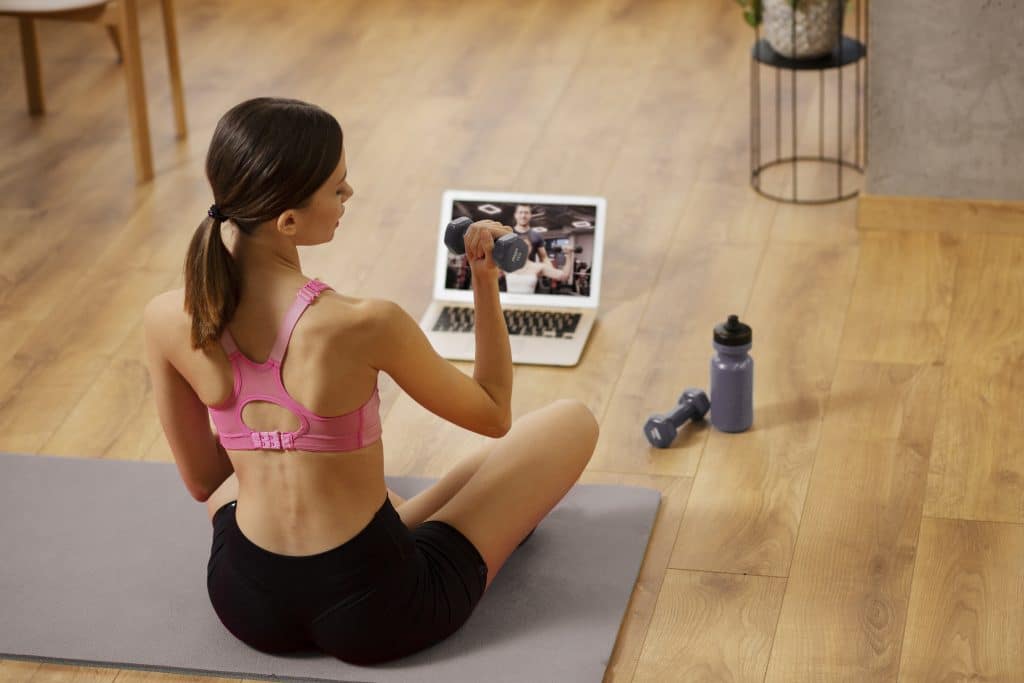
The rise of virtual fitness classes and on-demand workout platforms has made it easier than ever for remote workers to access professional training sessions from the comfort of their own homes. These platforms offer a wide variety of fitness options, from yoga and pilates to strength training and dance, catering to all fitness levels.
Popular Platforms and Classes:
- Peloton: Known for its cycling classes, Peloton now offers a variety of workouts including strength training, yoga, and HIIT. The flexibility of on-demand classes allows remote workers to choose workout times that fit their schedule.
- ClassPass: Offering access to virtual fitness classes from gyms and studios around the world, ClassPass allows users to try different types of workouts, whether it’s cardio, strength training, or meditation.
- YouTube Fitness Channels: Free workout videos on platforms like YouTube make it easy for remote workers to find workout routines that suit their preferences. Channels like FitnessBlender and POPSUGAR Fitness offer a variety of workout styles and lengths.
These virtual options provide the flexibility to work out whenever you have a break, without the need to commute to a gym or follow rigid class schedules.
4. Active Breaks and Movement Integration
One of the easiest ways to stay active while working remotely is by integrating movement throughout the day. Remote workers often spend hours sitting at their desks, which can lead to fatigue and stiffness. By incorporating short movement breaks into the workday, you can keep your energy levels high and your body feeling good.
Ways to Integrate Movement:
- The Pomodoro Technique: This time management method involves working for 25 minutes, followed by a 5-minute break. During your break, get up, stretch, or walk around to increase circulation and prevent stiffness.
- Standing Desks: Invest in a height-adjustable desk that allows you to alternate between sitting and standing throughout the day. This helps reduce the negative effects of prolonged sitting.
- Walking Meetings: If you have a phone or video meeting, consider walking around your house or taking a stroll outside. This simple adjustment adds movement without disrupting work.
- Lunchtime Walks: Take a brisk walk during your lunch break to clear your mind, reduce stress, and get your body moving.
By incorporating these small movements, you can easily stay active while still managing work tasks.
5. Mindfulness and Mental Well-Being
Physical fitness is closely linked to mental well-being. Remote workers often experience increased stress, isolation, and burnout, making mental health a priority. Mindfulness and meditation practices can help reduce stress, improve focus, and boost overall mental clarity.
Mindfulness Practices for Remote Workers:
- Meditation: A 10-minute meditation session can help reduce stress and increase focus. Apps like Headspace and Calm offer guided meditation sessions for beginners.
- Breathing Exercises: Simple breathing techniques, like box breathing or the 4-7-8 technique, can help lower anxiety and improve concentration.
- Gratitude Journaling: Taking a few minutes each day to write down what you’re grateful for can help shift your mindset and enhance your mental well-being.
These practices don’t require much time but can have a significant impact on your ability to stay balanced and focused during a remote workday.
Conclusion
Staying active while working remotely is crucial for maintaining both physical and mental health. Whether you opt for short, effective home workouts, integrate movement breaks into your day, or explore virtual fitness options, there are plenty of ways to stay fit without disrupting your work schedule. In 2025, the trend of remote fitness continues to grow, with innovative solutions that allow you to personalize your fitness routine to match your unique lifestyle. By prioritizing physical activity, remote workers can boost productivity, reduce stress, and improve overall well-being—all while managing a flexible work schedule.
References
- We’ve tested the best workout apps 2025 to help you train at home, https://www.tomsguide.com
- 25 Tips to Help Remote Employees Keep Fit From Home, https://www.worktango.com
- Best Online Workout Programs Of 2025, https://www.forbes.com

 Travel Experiences That Inspire Creativity and Reflection