Wellness Practices That Reduce Daily Stress
Sophia Clarke September 29, 2025
In today’s fast-paced world, stress is almost unavoidable. From work deadlines and family responsibilities to constant digital notifications, daily pressure has become part of modern living. The World Health Organization reports that chronic stress is now one of the leading global health challenges, contributing to conditions like anxiety, insomnia, and cardiovascular disease. In response, individuals are seeking effective and practical wellness practices that reduce daily stress. In 2025, emerging wellness trends combine traditional methods with innovative approaches, offering new ways to restore balance and resilience. This article explores these practices, highlights current trends, and provides actionable strategies for anyone looking to lower stress levels and improve overall well-being.
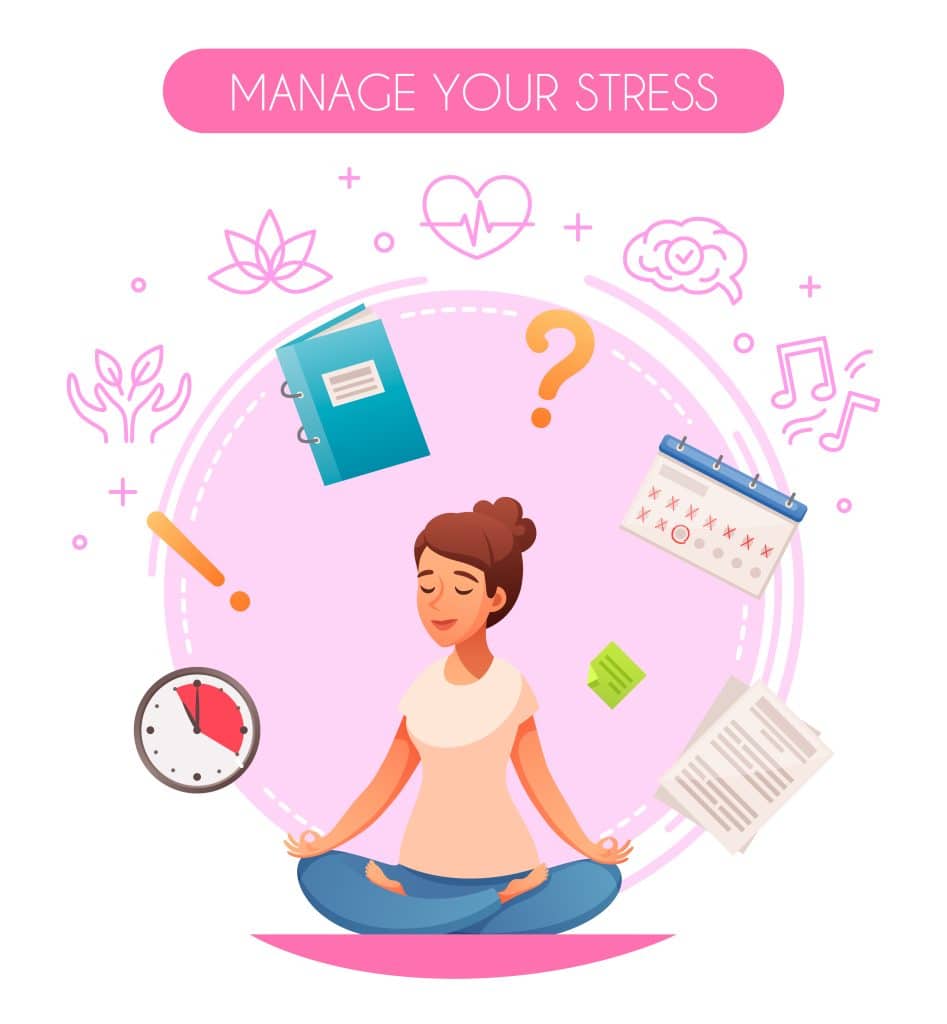
Why Stress Management Matters
Stress is more than a mental burden—it has tangible effects on physical health. Prolonged stress triggers the release of cortisol, the body’s primary stress hormone, which can lead to fatigue, weakened immunity, and long-term health risks. According to the American Psychological Association, nearly 76% of adults in the United States report experiencing stress-related symptoms. Addressing stress through intentional wellness practices is therefore not a luxury but a necessity. By integrating small, consistent habits into daily life, individuals can significantly improve mood, focus, and long-term health. Among the most effective strategies are wellness practices that reduce daily stress, offering both immediate relief and sustainable improvements.
Trend 1: Mindfulness and Micro-Meditation
Mindfulness is no longer reserved for long retreats or extended meditation sessions. In 2025, micro-meditation—brief, intentional pauses throughout the day—is gaining traction. Apps like Headspace and Calm now provide one-to-three-minute guided meditations designed for busy schedules. Research published in Frontiers in Psychology shows that even short mindfulness practices can lower cortisol levels and improve emotional regulation. Among wellness practices that reduce daily stress, micro-meditation is one of the most accessible because it can be done anywhere—during commutes, breaks, or before meetings.
Trend 2: Breathwork as a Daily Reset
Breathwork has emerged as one of the most powerful yet underrated tools for stress management. Techniques like box breathing, alternate nostril breathing, and the 4-7-8 method are increasingly used to activate the parasympathetic nervous system, which calms the body’s stress response. According to the Cleveland Clinic, structured breathing can reduce heart rate, lower blood pressure, and ease anxiety within minutes. Wellness practices that reduce daily stress often emphasize breathwork because it requires no equipment, only a few moments of focus. In 2025, many workplaces and schools are even integrating breathwork breaks into routines.
Trend 3: Movement Beyond Exercise
Traditional exercise is well-known for stress relief, but 2025 highlights a broader perspective: movement as a form of therapy. Practices like yoga, tai chi, and mindful walking are gaining popularity for their ability to release physical tension while improving mental clarity. A study from Harvard Health Publishing notes that yoga in particular reduces stress by combining breath control, mindfulness, and physical postures. Daily micro-movements—such as stretching at a desk or walking outdoors—are simple yet effective wellness practices that reduce daily stress without requiring gym memberships or long workouts.
Trend 4: Digital Detox and Screen-Free Rituals
Constant connectivity is a major contributor to modern stress. Notifications, emails, and social media demand attention around the clock. As a countertrend, digital detox practices are growing. Families are adopting screen-free hours in the evening, while individuals use apps that block notifications during focus periods. According to a 2024 Pew Research Center survey, 58% of adults reported improved mood and focus after implementing screen breaks. Digital detox routines are increasingly seen as vital wellness practices that reduce daily stress, allowing space for deeper rest and human connection.
Trend 5: Nature Therapy and Biophilic Design
Spending time in nature has long been linked to stress reduction, but in 2025, biophilic design brings nature indoors. Incorporating plants, natural light, and water features into homes and workplaces supports relaxation and improves productivity. Research in Environmental Health and Preventive Medicine found that spending as little as 20 minutes outdoors significantly lowers stress hormone levels. For those without easy access to natural spaces, indoor gardens, balcony greenery, and nature-inspired décor provide similar benefits. Wellness practices that reduce daily stress through nature therapy highlight the growing recognition of our deep connection to natural environments.
Trend 6: Nutrition for Stress Management
Diet plays a crucial role in how the body responds to stress. Foods rich in omega-3 fatty acids, magnesium, and antioxidants—such as leafy greens, nuts, and fatty fish—help regulate mood and reduce inflammation. According to Harvard Health Publishing, diets high in processed foods and sugars can worsen stress responses. In 2025, adaptogens like ashwagandha and functional beverages infused with calming herbs are becoming popular choices. Nutrition-focused wellness practices that reduce daily stress are practical and sustainable, as they incorporate stress relief into something everyone does daily: eating.
Trend 7: Sleep Rituals for Recovery
Sleep is one of the most important yet overlooked aspects of stress management. Poor sleep quality creates a cycle of stress and fatigue. In 2025, individuals are adopting sleep hygiene practices such as limiting screen use before bed, using white noise machines, and maintaining consistent sleep schedules. The Sleep Foundation reports that mindfulness, relaxation techniques, and proper sleep environments significantly improve rest quality. Among wellness practices that reduce daily stress, prioritizing sleep rituals ensures the body and mind recover effectively overnight.
Practical Guide: How to Incorporate Stress-Reducing Practices
Here are practical steps to integrate wellness practices that reduce daily stress into your routine:
- Schedule micro-breaks – Add 3–5 minutes of meditation or breathwork between tasks.
- Set boundaries with screens – Turn off notifications during meals or dedicate one evening per week as screen-free.
- Move throughout the day – Take short walks, stretch every hour, or add 10 minutes of yoga in the morning.
- Bring nature indoors – Add plants to workspaces or create a small balcony garden.
- Choose stress-friendly foods – Incorporate nuts, berries, and leafy greens into daily meals.
- Establish a bedtime ritual – Dim lights, read a book, or practice relaxation breathing before sleep.
- Track progress – Use a journal or wellness app to reflect on how these practices impact stress levels.
The Future of Stress-Reduction Practices
Looking forward, stress management will increasingly integrate technology and personalization. AI-powered wellness apps already analyze biometric data to recommend customized routines. Virtual reality experiences simulating natural environments are being tested as therapeutic tools for stress relief. At the same time, society is recognizing the need for accessible, low-cost solutions—like community yoga programs, public green spaces, and workplace wellness initiatives. The future of wellness practices that reduce daily stress will be both high-tech and deeply human, combining innovation with timeless habits.
Conclusion
In 2025, managing stress effectively requires a mix of ancient wisdom and modern innovation. Wellness practices that reduce daily stress—such as mindfulness, breathwork, nature therapy, nutrition, and sleep rituals—are becoming integral parts of daily life. These practices not only relieve immediate tension but also build resilience against long-term challenges. By adopting small, consistent strategies, individuals can create healthier routines that support balance, focus, and well-being. As stress continues to impact health globally, the rise of accessible and practical wellness practices signals a positive shift toward calmer, more intentional living.
References
- Breathing Practices for Stress and Anxiety Reduction: https://pmc.ncbi.nlm.nih.gov
- Effect of breathwork on stress and mental health: https://www.nature.com
- 5 Minutes of Mindfulness Brings Real Benefits, https://www.mindful.org

 How Startups Are Innovating in 2025