Understanding Gut Health and the Impact on You
Sophia Clarke September 28, 2025
Curious how your digestion really affects your life? Discover why gut health matters, what shapes your microbiome, and explore practical steps for a healthier digestive system. From probiotics to dietary fiber, this guide opens a new perspective on the vital impact your gut has on your overall well-being.
The Gut Microbiome: What It Does for You
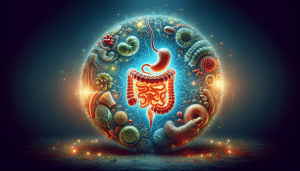
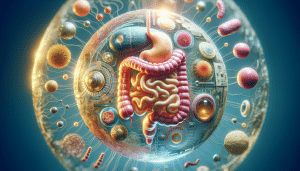
Your gut is home to trillions of bacteria, collectively known as the gut microbiome. This ecosystem plays an extraordinary role in how the body processes food and nutrients. These microbes break down complex carbs, produce essential vitamins, and influence immune responses. A diverse gut microbiome, shaped by diet and environment, acts as a foundation for resilience against digestive issues and even supports mood regulation. Ongoing research suggests a direct association between gut bacteria and conditions such as irritable bowel syndrome, obesity, and diabetes (https://www.niddk.nih.gov/health-information/digestive-diseases).
What makes a healthy gut? It’s not just about the absence of discomfort; it’s about fostering microbial diversity. Planning a diet rich in plant-based foods, fibers, and naturally fermented items like yogurt or kimchi supports robust gut flora. The health of your digestive tract is continually shaped by daily choices. Factors like chronic stress, antibiotic use, and processed foods can affect this balance, often leading to conditions such as bloating or indigestion. An imbalanced microbiome might produce fewer short-chain fatty acids, which are vital for colon health.
The relationship between your gut and immune system is especially fascinating. Nearly 70% of immune cells live in or near your intestinal tract. Healthy bacteria help identify pathogens and train immune responses, acting as a natural defense barrier. This connection also means that disturbances—like poor diet or prolonged medication use—can impact immunity and inflammation throughout the body. Learning how your lifestyle interacts with gut health provides actionable insight for achieving better daily comfort and resilience.
Dietary Fiber: The Unsung Hero for Gut Wellness
Fiber doesn’t just aid digestion—it’s a key player in nurturing your gut’s ecosystem. Dietary fiber, found in fruits, vegetables, legumes, and whole grains, serves as fuel for beneficial bacteria. These gut-friendly microbes break down fibers into compounds like butyrate, which nourish the cells lining your colon and support barrier function (https://www.hsph.harvard.edu/nutritionsource/carbohydrates/fiber/). People who eat a high-fiber diet often report simpler digestion, better regularity, and fewer gastrointestinal symptoms.
Not all fibers act the same way. Soluble fiber dissolves in water, forming a gel-like substance that slows digestion and supports steady nutrient absorption. Insoluble fiber helps move material through the digestive system, promoting bulk and preventing constipation. Eating a variety of fibers creates an environment where different bacteria can thrive. This diversity makes your gut more resilient against infection or imbalance. Consider increasing fiber gradually to allow gut bacteria to adjust, minimizing discomfort as healthy changes take place.
There’s a growing conversation around prebiotics—fibers that specifically nourish helpful bacteria. Foods like garlic, onions, leeks, bananas, and asparagus are all prebiotic-rich. When combined with probiotic sources such as kefir or sauerkraut, these foods actively support the microbiome’s health. Studies suggest that higher fiber intake reduces risk of colon diseases and supports long-term gut function. This simple, everyday dietary tweak can be one of the most effective ways to nurture your gut—and it requires no special supplements or drastic changes.
Probiotics: Benefits, Sources, and Considerations
Probiotics are living microorganisms that offer tangible benefits when consumed. Found in fermented foods like yogurt, kefir, tempeh, and miso, probiotics help replenish healthy bacteria lost due to illness or antibiotics. Different strains possess distinct effects: some are linked to easing diarrhea, while others can help ease symptoms of irritable bowel syndrome (IBS). Clinical trials show that regular probiotic intake can modestly improve digestive discomfort and even support immune regulation (https://www.nccih.nih.gov/health/probiotics-what-you-need-to-know).
Choosing a probiotic supplement or food should be guided by transparency and the intended goal. Not all probiotics are created equal—certain strains impact specific symptoms, while others thrive better in food than pill form. Reading labels for live, active cultures and mindful storage (often refrigeration) preserves their efficacy. It’s also wise to consult with health professionals if you have underlying health conditions, as introducing new strains might not be appropriate for everyone.
Natural dietary sources of probiotics are often more beneficial because they arrive with prebiotic fibers, fostering synergy in gut flora. When considering supplementation, check for products that are independently tested for potency and purity. Probiotic-rich diets can be particularly valuable after antibiotics, supporting restoration of beneficial colonies. The evidence surrounding probiotics and mental health—especially mood and anxiety—is growing, underscoring the wide-reaching influence these bacteria may exert beyond the gut alone.
Stress, Sleep, and the Gut-Brain Axis
The gut-brain axis describes the ongoing communication between your digestive system and central nervous system. This two-way highway influences emotional regulation, stress responses, and even memory. Stressful circumstances can translate into digestive upset: many people notice changes like cramping or irregularity during periods of high tension. The relationship works both ways—a perturbed gut can, in turn, impact mental well-being. Scientists have mapped how gut bacteria produce neurotransmitters like serotonin, affecting mood (https://www.hopkinsmedicine.org/health/wellness-and-prevention/the-brain-gut-connection).
Prioritizing restful sleep is another way to nurture both brain and gut health. Sleep deprivation can disrupt patterns of gut bacteria and lower resilience to infection. A stable routine—going to bed and waking at similar times, limiting digital exposure before bed, and integrating relaxation techniques like deep breathing—helps protect circadian rhythm and, by extension, digestive comfort. Mindful practices such as meditation or gentle exercise can mitigate the gut’s reaction to stress, making each day more manageable.
Cultivating resilience in the gut-brain axis is ongoing. Experimenting with different stress management strategies allows individuals to personalize what works, whether it’s yoga, journaling, or connecting with supportive communities. If digestive discomfort arises persistently alongside stress or anxiety, exploring the connection holistically can yield benefits. Simple observations—a symptom diary, for instance—help connect the dots between gut feelings and emotional state, creating an active partnership between body and mind.
Recognizing and Addressing Digestive Disorders
Occasional upset stomachs are normal, but persistent symptoms may indicate an underlying digestive disorder. Conditions like irritable bowel syndrome (IBS), Crohn’s disease, or celiac disease manifest as chronic discomfort, bloating, or altered bowel habits. Early recognition of symptoms and consultation with a medical professional are key to effective management. Diagnosis might involve physical exams, lab tests, dietary reviews, and—sometimes—a referral to a gastroenterologist (https://www.cdc.gov/digestivediseases/index.html).
Management strategies differ widely. Some people benefit from prescription medications, while others respond to dietary changes—like adopting a low-FODMAP diet or eliminating gluten. Personalized nutrition plans, designed in collaboration with dietitians, can minimize symptoms and enhance quality of life. In some cases, stress management is as crucial as dietary tweaks. Ongoing research continues to identify new therapies and lifestyle interventions, creating hope for those living with chronic digestive conditions.
Support, both medical and social, fosters better health outcomes. Joining communities—either online or in-person—gives space to share experiences, gain perspective, and find encouragement. Many advocacy organizations supply resources for education, coping, and connecting with trusted practitioners. The journey to digestive wellness may be gradual, but consistent self-advocacy, routine monitoring, and learning about emerging treatment options make a meaningful difference.
Everyday Tips for Maintaining Gut Balance
Daily habits can make or break the health of your gut. Start by making balanced meals with whole foods, minimizing ultra-processed items that may disrupt bacteria. Hydration is crucial—aim for water-rich fruits and vegetables, as well as adequate fluid intake, to keep digestion moving smoothly. Small acts, like eating mindfully and paying attention to hunger cues, nurture overall digestive process.
Regular physical activity doesn’t just benefit muscles or the heart—it also stimulates the movement of the intestines. Gentle activities, including walking, cycling, or stretching, enhance regularity and minimize bloating. Smoking cessation and moderating alcohol use have substantial positive impacts on the gut’s composition and barrier function (https://www.cancer.gov/about-cancer/causes-prevention/risk/tobacco). Even moderate movement, paired with mindful dietary adjustments, creates a positive feedback cycle for gut health.
The most important factor? Consistency. Changes in diet, sleep, activity, or stress routines should be integrated gradually for lasting impact. Tracking symptoms, experimenting with food choices, and seeking feedback from professionals all contribute to better awareness and empowerment. The gut’s influence on well-being is profound—embedding small steps each day makes the journey to digestive balance approachable and sustainable.
References
1. National Institute of Diabetes and Digestive and Kidney Diseases. (n.d.). Digestive Diseases. Retrieved from https://www.niddk.nih.gov/health-information/digestive-diseases
2. Harvard T.H. Chan School of Public Health. (n.d.). Fiber. Retrieved from https://www.hsph.harvard.edu/nutritionsource/carbohydrates/fiber/
3. National Center for Complementary and Integrative Health. (n.d.). Probiotics: What You Need to Know. Retrieved from https://www.nccih.nih.gov/health/probiotics-what-you-need-to-know
4. Johns Hopkins Medicine. (n.d.). The Brain-Gut Connection. Retrieved from https://www.hopkinsmedicine.org/health/wellness-and-prevention/the-brain-gut-connection
5. Centers for Disease Control and Prevention. (n.d.). Digestive Diseases. Retrieved from https://www.cdc.gov/digestivediseases/index.html
6. National Cancer Institute. (n.d.). Harms of Smoking and Health Benefits of Quitting. Retrieved from https://www.cancer.gov/about-cancer/causes-prevention/risk/tobacco

 You Could Unlock Scholarships in Surprising Ways