Secrets Behind Gut Health You Might Miss
Sophia Clarke September 27, 2025
Curiosity around gut health has surged as more people discover its connection to overall wellness, immunity, and daily comfort. This article explores the surprising effects of the gut microbiome, signs of imbalance, how nutrition shapes digestive resilience, and lifestyle tips to support a healthier gut.
Understanding the Gut Microbiome
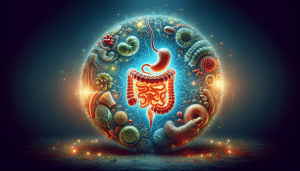
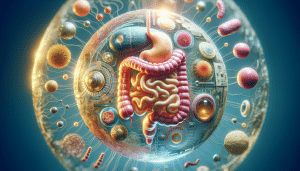
The gut microbiome refers to the trillions of bacteria and microbes living in the digestive tract. While it sounds surprising, these tiny residents have a major influence on health far beyond digestion. They help break down fiber, produce essential vitamins, and maintain the intestinal barrier. When the microbiome is balanced, people often report feeling energized, with fewer gastrointestinal disruptions and even better moods. This ecosystem is unique for everyone and responds to diet, medication, sleep, and stress. Scientists consistently uncover new ways the gut works with the brain, revealing just how central gut health is to overall wellness (Source: https://medlineplus.gov/gutmicrobiome.html).
Your body is teeming with microbes. In fact, microbial cells in your intestines can outnumber human cells. Factors like birth by cesarean section versus vaginal delivery, formula feeding versus breastfeeding, and even the presence of pets in childhood alter the diversity of the gut. Advances in research have linked microbial diversity with a stronger immune system. Studies find that those with greater bacterial variety may respond better to environmental challenges and are less likely to develop chronic digestive issues. However, diets high in processed foods or long-term antibiotic use may reduce this diversity, impacting how the body resists infection.
Gut bacteria have a hand in modulating the immune response. For example, certain beneficial strains produce short-chain fatty acids that tone inflammation and support the gut lining. This relationship between gut microbes, immune health, and inflammation illustrates why nutrition and lifestyle play such a vital role in health outcomes. Supporting the gut ecosystem may reduce risk for allergies, metabolic issues, and even some autoimmune reactions. These discoveries make focusing on gut health an important strategy for many people aiming to support their long-term well-being.
Surprising Signs of Poor Gut Health
When gut health is out of balance, the signs aren’t always obvious. Beyond bloating or stomach upset, a disrupted gut microbiome can show up as fatigue, frequent illnesses, or unexplained skin changes. People might notice trouble concentrating, lingering low energy, or sleep disruptions. These are often linked to the close communication lines between the gut and the brain, known as the gut-brain axis (Source: https://www.health.harvard.edu/diseases-and-conditions/the-gut-brain-connection).
Skin flare-ups, such as eczema or acne, can sometimes be triggered by an imbalanced gut. Research continues to uncover ways bacteria interact with skin health, especially via inflammatory pathways. Similarly, changes in weight, irregular bowel patterns, and even food cravings often have roots in the gut environment. The variety of microbes present can influence the efficiency at which energy is extracted from food, playing a subtle but persistent role in weight regulation over time.
Chronic stress and anxiety may both stem from or impact gut function. The body’s stress response can slow digestion, alter intestinal permeability, and reduce good bacteria. Over time, this feedback loop can make symptoms like aches, gas, or irregularity more persistent. Noticing these signals early provides an opportunity to support your gut. Shifting dietary and lifestyle habits often improves both digestive harmony and emotional resilience, reinforcing the body’s interconnectedness.
Nutrition’s Role in Strengthening Gut Health
Nutrition is the primary architect of gut microbiome diversity. Diets rich in plant fibers found in fruits, vegetables, whole grains, and legumes encourage beneficial bacteria to thrive. These fibers become fuel for gut microbes, encouraging them to produce compounds like short-chain fatty acids. People who include a wide range of fiber-rich foods tend to report better digestion, steadier energy, and improved immune support. Regularly eating fermented foods such as yogurt, kefir, kimchi, or sauerkraut can also introduce helpful probiotics, which compete against less desirable microbes (Source: https://www.bhs.org.au/resources/food-and-nutrition/gut-health).
Prebiotics, in addition to probiotics, play a key role in nurturing good gut bacteria. Prebiotics are the fiber-rich components in foods like onions, garlic, bananas, and asparagus that act like fertilizer for microbes. Consistent consumption of prebiotic foods can tip the balance toward bacteria that enhance both mood and metabolism. Research increasingly supports the Mediterranean diet for gut health, as it emphasizes whole foods, olive oil, lean proteins, and nuts. These approaches not only encourage microbial diversity but also help lower inflammation throughout the body.
Artificial sweeteners, high-fat processed foods, and excess sugar can disturb the gut environment, decreasing the number of helpful microbes. Some people may experience digestive distress, such as bloating or changes in bowel habits, when consuming these ingredients regularly. Limiting overly processed products while adding colorful plant foods offers a simple path to nurture the gut ecosystem. Finding a balance tailored to personal tolerance and needs ensures digestive health becomes part of a sustainable lifestyle, not a fleeting trend.
Lifestyle Habits that Impact the Digestive System
Gut health isn’t influenced by nutrition alone—lifestyle habits matter too. Sleep patterns, physical activity, hydration, and stress levels all play their part. Adequate sleep allows the digestive tract time to repair. Chronic sleep deprivation, research shows, disrupts the natural rhythm of microbial activity, potentially suppressing immune function. Even something as simple as increasing water intake supports the movement and resilience of the digestive system, making it easier to maintain comfort and regularity (Source: https://www.cdc.gov/sleep/about_sleep/index.html).
Exercise improves gut transit time and can increase beneficial bacteria over time. Regular movement reduces stress hormones and helps balance blood sugar, both of which support the digestive lining. Mindful practices, such as meditation or yoga, may also lower stress-related digestive complaints. Together, these habits form a protective environment for the gut, reducing the risk of flares or discomfort. Building small, enjoyable routines often proves more successful than abrupt changes, and each adjustment adds up to a bigger impact on well-being.
Managing stress is one of the more challenging aspects of supporting gut health. High stress can trigger the release of cortisol, a hormone that slows digestion and alters gut motility. Over time, this may manifest as irritable bowel symptoms or exacerbate existing issues. Focusing on restorative activities like regular walks, mindful breathing, or journaling has shown benefits for gut health by regulating both mind and body.
Is It Time to Consider Professional Support?
While simple changes in diet and lifestyle often bring improvement, some individuals experience persistent symptoms that disrupt daily life—things like ongoing bloating, constipation, or unexplained discomfort. In these cases, consulting a healthcare provider or a registered dietitian becomes important. Professionals may recommend testing for underlying conditions such as food intolerances, celiac disease, or inflammatory bowel diseases. Early guidance can help create a more tailored strategy, improving results and confidence (Source: https://gi.org/topics/understanding-irritable-bowel-syndrome-ibs/).
Emerging treatments—including personalized probiotics or targeted nutrition therapy—are being explored in clinical research. Medical providers can suggest interventions that go beyond over-the-counter solutions, often taking a comprehensive look at an individual’s medical history and gut profile. This multidisciplinary approach ensures any underlying conditions are addressed, while also helping reduce anxiety that can amplify digestive symptoms. Sometimes, mental health support works alongside dietary changes to improve gut and emotional stability simultaneously.
Persistent gut health concerns may require deeper investigation, such as breath tests, bloodwork, or endoscopic procedures. Early intervention avoids unnecessary discomfort and allows for effective management of complex cases. Most people find that combining professional insight with everyday wellness strategies leads to both short-term relief and lasting digestive harmony—making gut health a foundation for thriving in all areas of life.
Long-Term Benefits of a Healthy Gut
Consistent care for gut health can transform more than digestion. People often report better energy, brighter moods, and increased immune resilience after adopting gut-supportive habits. Because the gut is so intertwined with multiple body systems, improvements here ripple outward. Some data suggest a healthy microbiome even supports cardiovascular wellness and metabolic stability. As gut balance builds, individuals typically experience less inflammation and greater resilience to everyday challenges (Source: https://www.nih.gov/news-events/nih-research-matters/how-gut-microbiome-affects-health-disease).
A diverse and nourished microbiome is now linked with slower cognitive decline and mood stability. Research into the gut-brain axis shows that neurotransmitters made in the gut can impact focus and emotional well-being. People may notice smarter food choices and sustainable sleep routines further enhance these results. Small, long-term adjustments accumulate over time, leading to happier, healthier days.
Gut health acts as a bridge between the physical and emotional aspects of daily life. By investing in gut-friendly strategies—like dietary variety, movement, better sleep, and stress management—anyone can create a lifestyle that supports longevity. The gut holds secrets that shape overall wellness, making its care an investment that pays off in multiple surprising ways, year after year.
References
1. National Library of Medicine. (n.d.). Gut Microbiome. Retrieved from https://medlineplus.gov/gutmicrobiome.html
2. Harvard Health Publishing. (n.d.). The Gut-Brain Connection. Retrieved from https://www.health.harvard.edu/diseases-and-conditions/the-gut-brain-connection
3. Ballarat Health Services. (n.d.). Food and Nutrition: Gut Health. Retrieved from https://www.bhs.org.au/resources/food-and-nutrition/gut-health
4. Centers for Disease Control and Prevention. (n.d.). Sleep and Sleep Disorders. Retrieved from https://www.cdc.gov/sleep/about_sleep/index.html
5. American College of Gastroenterology. (n.d.). Understanding Irritable Bowel Syndrome (IBS). Retrieved from https://gi.org/topics/understanding-irritable-bowel-syndrome-ibs/
6. National Institutes of Health. (n.d.). How Gut Microbiome Affects Health and Disease. Retrieved from https://www.nih.gov/news-events/nih-research-matters/how-gut-microbiome-affects-health-disease

 Hidden Tactics That Help You Build Passive Income Streams