Nutrition Practices That Support Long-Term Wellness
Sophia Clarke September 26, 2025
In 2025, nutrition continues to evolve, with more people focusing on practices that support long-term wellness. Beyond short-term health benefits, people are now seeking diets that enhance longevity, prevent disease, and promote mental clarity. This article explores current nutrition trends, such as plant-based eating, intermittent fasting, and gut health, and offers practical advice on integrating these practices into your daily routine for a healthier future.

Why Nutrition Matters for Long-Term Wellness
Nutrition is foundational to overall health. A balanced diet is essential not only for maintaining physical health but also for improving mental well-being. Poor nutrition can lead to chronic diseases such as diabetes, heart disease, and even cognitive decline. According to Harvard T.H. Chan School of Public Health, proper nutrition supports immune function, heart health, cognitive abilities, and mental clarity.
Good nutrition also plays a critical role in aging well. Healthy eating practices can slow the aging process, improve cellular health, and boost brain function. In 2025, as more people understand the importance of diet for longevity, there’s an increasing focus on sustainable nutrition practices for long-term wellness.
1. Plant-Based Diets: Focus on Whole Foods
Plant-based diets are rapidly gaining popularity as a cornerstone of long-term health. These diets focus primarily on fruits, vegetables, legumes, nuts, seeds, and whole grains, while reducing animal-based products.
Why Plant-Based Diets Support Long-Term Wellness:
- Disease Prevention: Studies show that plant-based diets lower the risk of chronic diseases such as heart disease, type 2 diabetes, and certain cancers. According to a 2024 study in the Journal of the American College of Cardiology, plant-based eaters have lower blood pressure and cholesterol levels.
- Gut Health: These diets are high in fiber, which supports a healthy gut microbiome. A balanced microbiome plays a key role in digestion, immunity, and mental health.
- Longevity: Diets like the Mediterranean, which emphasize plant-based foods and healthy fats, are linked to a longer life expectancy.
How to Incorporate Plant-Based Nutrition:
- Gradual Changes: Start by incorporating more vegetables and legumes into meals and reducing meat gradually.
- Variety is Key: Include a wide range of plant foods to ensure you get diverse nutrients. Focus on fresh produce, whole grains, and legumes.
- Supplements: If you eliminate animal products, consider supplements for B12, omega-3s, and vitamin D to fill nutritional gaps.
Plant-based eating is a sustainable approach to nutrition, supporting long-term health while helping prevent many age-related conditions.
2. Intermittent Fasting: A Flexible Approach to Eating
Intermittent fasting (IF) has become one of the most popular nutrition practices for long-term wellness. It involves cycling between eating and fasting periods. The flexibility of intermittent fasting makes it appealing to people with busy schedules.
How Intermittent Fasting Supports Wellness:
- Cellular Repair: Fasting triggers autophagy, the body’s process of cleaning out damaged cells and regenerating new ones. This process has been linked to improved longevity and mental health.
- Weight Management: Intermittent fasting helps with weight loss by reducing calorie intake and improving insulin sensitivity. A 2024 study in the American Journal of Clinical Nutrition found that intermittent fasting can be more effective for fat loss compared to traditional dieting.
- Mental Clarity: Many people report feeling more focused and alert during fasting periods. Studies suggest that fasting can increase levels of brain-derived neurotrophic factor (BDNF), which supports brain health.
How to Start Intermittent Fasting:
- Choose a Method: The most common IF methods are the 16:8 approach (16 hours of fasting, 8 hours of eating) and the 5:2 method (normal eating for 5 days, restricted calories for 2).
- Stay Hydrated: Drink plenty of water during fasting periods to avoid dehydration.
- Ease into It: Start by gradually shortening your eating window to allow your body to adjust to fasting.
Intermittent fasting offers flexibility and health benefits, making it an effective approach for long-term wellness.
3. Gut Health: The Foundation of Wellness
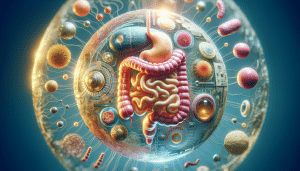
Gut health is critical for overall wellness, and in 2025, it’s becoming a central focus of many nutrition practices. A balanced gut microbiome influences digestion, immune function, mood, and mental health. Research shows that the foods you eat can directly impact your gut microbiome, which in turn affects overall health.
Why Gut Health Matters for Wellness:
- Immune Function: The gut is home to a large portion of the body’s immune system. A healthy gut microbiome supports the body’s ability to fight off infections.
- Mental Health: The gut-brain connection is well-documented. The gut produces significant amounts of serotonin, the “feel-good” hormone, which affects mood and cognition.
- Digestive Health: A balanced gut helps with nutrient absorption, preventing conditions like bloating, constipation, and IBS.
Foods That Promote Gut Health:
- Fermented Foods: Include foods like yogurt, kefir, kimchi, and sauerkraut, which contain probiotics that support gut health.
- Prebiotics: Foods like garlic, onions, and bananas are prebiotics that feed healthy gut bacteria.
- High-Fiber Foods: Whole grains, beans, and vegetables are rich in fiber, which helps keep the digestive system healthy.
Improving gut health with a nutrient-rich diet can help prevent digestive issues, boost immunity, and improve mental well-being.
4. Antioxidants and Anti-Inflammatory Foods
Inflammation is linked to several chronic diseases, including heart disease, arthritis, and autoimmune disorders. In 2025, there is a growing emphasis on incorporating anti-inflammatory foods and antioxidants into the diet to reduce chronic inflammation and promote long-term wellness.
Key Anti-Inflammatory and Antioxidant-Rich Foods:
- Berries: Blueberries, strawberries, and raspberries are rich in antioxidants, which help reduce oxidative stress and inflammation.
- Leafy Greens: Kale, spinach, and Swiss chard are high in vitamins and minerals that support cellular health and reduce inflammation.
- Nuts and Seeds: Almonds, walnuts, and chia seeds contain healthy fats and anti-inflammatory properties, making them great additions to any diet.
By including more antioxidant-rich and anti-inflammatory foods, you can protect your body from oxidative damage and inflammation, which contributes to long-term health and disease prevention.
5. Mindful Eating: A Focus on Portion Control and Awareness
Mindful eating is a growing trend in 2025. It involves paying full attention to your food—how it tastes, how it makes you feel, and how much you eat. Mindful eating is about savoring each bite and avoiding overeating.
Benefits of Mindful Eating:
- Improved Digestion: Mindful eating helps your body properly digest and absorb nutrients by slowing down the eating process.
- Better Portion Control: By being present while eating, you’re more likely to recognize when you’re full, which can help with weight management.
- Enhanced Enjoyment: Eating mindfully allows you to enjoy your food more fully, improving your relationship with food and promoting mental wellness.
How to Practice Mindful Eating:
- Eat Without Distractions: Try to avoid eating while watching TV or working. Instead, focus on your meal and the sensations of eating.
- Chew Slowly: Take your time to chew each bite thoroughly, savoring the flavors and textures.
- Listen to Your Body: Pay attention to hunger cues and stop eating when you feel satisfied, not full.
Mindful eating promotes a healthy relationship with food, improving digestion and supporting long-term wellness.
Conclusion
In 2025, nutrition practices that support long-term wellness are gaining momentum. Plant-based diets, intermittent fasting, gut health, and anti-inflammatory foods are just a few of the trends that are shaping how we approach nutrition for lasting health. By incorporating these practices into your daily routine, you can improve your physical and mental well-being, reduce your risk of chronic disease, and enhance your quality of life. Prioritizing nutrition today will help you live healthier, longer, and more vibrant years to come.
References
- Gut microbiota modulation and health benefits of various fasting regimens, https://www.sciencedirect.com
- What You Need To Know Before Jumping on These 4 Diet Trends, https://www.moffitt.org
- Healthy plant-based diets reduce risk of death in long-term VUMC study, https://news.vumc.org

 Smart Home Innovations That Simplify Daily Tasks