Smart Tips for Saving Water in Your Garden
Daniel Hughes September 25, 2025
Learn how water-wise gardening can help you conserve water and lower your bills while keeping your outdoor plants thriving. This guide covers practical strategies and eco-friendly choices that make gardens beautiful and resource efficient.
Why Water Conservation Matters in the Garden
Water-wise gardening is an approach that focuses on using water efficiently. Gardens can consume significant amounts of water, especially in dry climates. By embracing conservation, it is possible to maintain healthy soil and vibrant plants while reducing unnecessary waste. Many homeowners are drawn to garden sustainability for environmental and economic reasons. It’s not just about saving money—it’s about stewardship and protecting resources for future generations. When gardens use less water, there’s less strain on community systems and local water sources.
Outdoor water use can make up a large part of a home’s total water usage. According to research, the average household can dedicate up to 30% of its water to landscape irrigation. During hotter months, this number can be even higher (Source: https://www.epa.gov/watersense/outdoor). Overwatering is common, often leading to runoff and soil erosion without actually benefiting the plants. Reducing water waste not only helps the environment but can also reflect positively on monthly utility bills.
Smart gardening practices, including soil improvement and efficient watering methods, play crucial roles in conservation. Many water-efficient strategies work across different climates and settings. Gardens benefit from proper mulch, drought-tolerant plants, and thoughtful irrigation scheduling. Adopting these changes can help gardens thrive even through periods of drought while supporting healthier ecosystems.
Choosing the Right Plants for Water-Wise Gardens
Plant selection is a critical part of any water-saving garden strategy. Drought-resistant plants require less frequent watering and are better adapted to withstand dry spells. Native species are often ideal choices, as they typically thrive in local conditions. Integrating these varieties into garden designs helps create beautiful landscapes while promoting sustainability. The gardening world is rich with options—many drought-tolerant flowers, shrubs, and ornamental grasses offer year-round interest.
Xeriscaping is a landscaping approach that reduces the need for irrigation by using plants suited to the natural environment. Homeowners can look for local resources such as demonstration gardens, public parks, or cooperative extension programs for plant recommendations (Source: https://extension.colostate.edu/topic-areas/yard-garden/xeriscaping-7-228/). These resources provide valuable insights into which plants match a specific region’s rainfall, temperature, and soil conditions. Choosing regionally adapted plants saves water and makes upkeep easier.
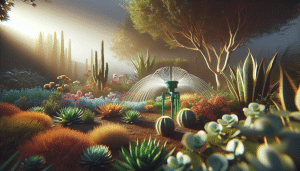
Succulents, lavender, and ornamental grasses are a few favorites for water-efficient landscapes. Grouping plants by their water needs creates hydrozones that prevent overwatering. This technique also simplifies irrigation routines. Gardeners who invest in planning and plant selection often enjoy healthier, lower-maintenance gardens with improved local habitat for beneficial insects and wildlife.
Soil Health and Mulching for Better Water Retention
The quality and structure of soil directly influence its water-holding capacity. Healthy soils have organic matter that retains moisture and provides nutrients. Poor, compacted, or sandy soils allow water to drain too quickly, leaving plants thirsty and requiring more irrigation. By regularly adding compost and organic amendments, gardeners can boost soil performance. This approach is not only good for water savings but also for plant health and resilience.
Mulch acts as a protective layer over the soil surface, reducing evaporation and keeping the ground cooler in summer heat. Organic mulches, such as wood chips, bark, or compost, also decompose over time, improving soil fertility and structure. Studies show that mulched garden beds retain up to 25% more moisture than unmulched areas (Source: https://www.gardeners.com/how-to/mulching/5067.html). Mulch also helps to suppress weeds, further saving maintenance time and resources.
Depth matters when mulching—a 2- to 3-inch layer is usually ideal. Combining mulch with compost creates a dynamic soil environment that nurtures roots and encourages beneficial microbes. Good mulching practices make soil richer, support healthy plant growth, and consistently reduce outdoor water usage over time.
Efficient Irrigation Methods for Home Gardens
Garden irrigation has evolved well beyond traditional sprinklers. Efficient systems, such as drip irrigation and soaker hoses, deliver water directly to plant roots where it is needed most. These approaches dramatically reduce evaporation and overspray. Drip irrigation can save up to 50% more water than standard sprinklers, making it a top recommendation for water-wise gardens (Source: https://www.epa.gov/watersense/irrigation-controllers). Installing and adjusting a smart timer or controller can further optimize water use.
Hand watering is another practical alternative—when done carefully, it can be highly efficient. Gardeners who use watering cans or hoses with shut-off nozzles can control exactly how much water each area receives. Early morning or late afternoon is the best time to water, as this reduces evaporation and allows plants to absorb moisture before the day’s heat sets in. Avoiding midday watering is one of the simplest low-cost strategies for conserving water outdoors.
Monitoring soil moisture is crucial to avoid unnecessary watering. Tools like soil moisture meters or simple manual checks are effective ways to determine when irrigation is needed. Many gardening enthusiasts find that, with some observation, they can reduce the frequency of watering while keeping gardens just as healthy and lush.
Harvesting and Reusing Water Responsibly
Rainwater harvesting is growing in popularity among home gardeners aiming to reduce dependence on municipal supplies. Simple solutions, such as installing rain barrels under downspouts, capture runoff for use in garden beds. Collected rainwater is usually less harsh than tap water, making it suitable for sensitive plants (Source: https://www.rainbarrelguide.com/). Regulations may exist in some areas, so it’s important to check local guidelines before setup.
Greywater recycling is another method of reusing household water, such as from laundry or sinks, for irrigation. This requires proper filtration and safe application—generally restricted to non-edible garden spaces. Some regions support or regulate greywater use more closely than others. Following public health advice and best practices ensures that recycled water benefits the garden without risk to soil or plants (Source: https://www.epa.gov/smm/composting-home).
Mulching, soil improvement, and plant selection all enhance the effectiveness of rainwater and greywater use. Using collected water when rain is plentiful, then relying on efficient irrigation during dry stretches, allows gardens to maximize natural resources. Thoughtful combinations of these strategies create resilient landscapes capable of enduring changing weather patterns.
Garden Design Ideas That Support Water Conservation
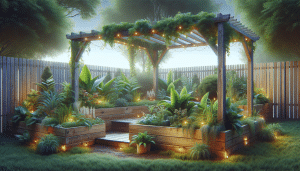
Design choices have a huge impact on a garden’s overall water requirements. Gardeners can arrange pathways and planting beds to minimize runoff and encourage water to soak into the soil. Raised beds, bioswales, and permeable paving are techniques that direct rainwater toward garden beds rather than away from them. Grouping plants with similar moisture needs together (hydrozoning) supports efficient watering and healthy plant communities.
Lawns are traditionally thirsty features but can be replaced with groundcovers, wildflower meadows, or hardscaping elements like mulch or gravel. Many gardens benefit from blending these alternative options, creating spaces that are both attractive and sustainable. Attractive dry creek beds or themed sensory gardens offer functional beauty and interest with lower water use than conventional designs.
Planning and maintenance go hand in hand. Regularly reviewing plant health, garden layout, and irrigation performance helps maintain efficiency. Investing in high-quality garden design and ongoing adjustments can lead to substantial long-term water and cost savings, making your outdoor oasis eco-friendly and resource-wise.
References
1. U.S. Environmental Protection Agency. (n.d.). Outdoor Water Use in the United States. Retrieved from https://www.epa.gov/watersense/outdoor
2. Colorado State University Extension. (n.d.). Xeriscaping: Creative Landscaping. Retrieved from https://extension.colostate.edu/topic-areas/yard-garden/xeriscaping-7-228/
3. Gardener’s Supply Company. (n.d.). Mulching Guide. Retrieved from https://www.gardeners.com/how-to/mulching/5067.html
4. U.S. Environmental Protection Agency. (n.d.). Irrigation Controllers. Retrieved from https://www.epa.gov/watersense/irrigation-controllers
5. Rain Barrel Guide. (n.d.). Rainwater Harvesting Resources. Retrieved from https://www.rainbarrelguide.com/
6. U.S. Environmental Protection Agency. (n.d.). Composting At Home. Retrieved from https://www.epa.gov/smm/composting-home

 Secrets You Never Knew About Collagen for Glowing Skin