You Can Transform Your Space With Minimalist Living
Elena Martinez September 25, 2025
Explore how adopting minimalist living can elevate comfort, aesthetics, and wellbeing in daily life. This guide uncovers practical tips, benefits, and creative inspiration for those curious about making living environments more intentional and serene.
The Philosophy Behind Minimalist Living
Minimalist living is not just about owning fewer things. At its core, it prioritizes purpose and clarity within your living space. The minimalist lifestyle movement has gained traction in recent years, with more people attracted to the promise of a clutter-free, mindful environment. This way of life encourages selecting only essential items that provide genuine value, allowing individuals to focus on experiences, relationships, and personal growth. Through intentional design and conscious choices, minimalist living empowers a greater sense of peace and satisfaction within one’s home.
Choosing simplicity over excess doesn’t mean sacrificing comfort or style. In fact, many people find that a minimalist approach elevates their sense of wellbeing. By removing distractions such as unnecessary décor or unused gadgets, the mind is free to relax and recharge. Research has shown that clutter can contribute to increased levels of stress, while a tidy, well-ordered home can support mental clarity and emotional balance (Source: https://www.psychologytoday.com/us/blog/the-clarity/201511/the-psychological-costs-clutter).
Minimalist living also promotes sustainability. By purchasing less, individuals contribute to a reduction in waste and resource consumption. The rise of eco-friendly home trends is closely intertwined with the minimalist movement, as people seek ways to live with a lighter footprint on the environment. Overall, embracing minimalism can help unlock a deeper connection to what truly matters at home.
Practical Steps to Declutter and Simplify
Transitioning to minimalist living starts with decluttering. Begin by tackling one room at a time. Empty drawers, shelves, and closets, evaluating each possession on its usefulness and joy. This methodical purge reveals which items are no longer serving their intended purpose. Donate, recycle, or repurpose anything that doesn’t fit your goals for a streamlined living area. Organization experts recommend making this a gradual process for more sustainable results (Source: https://www.apa.org/monitor/2019/01/ce-corner).
Storage solutions play a vital role in minimalist homes. Investing in multi-functional furniture, such as beds with storage drawers or collapsible desks, enables maximization of space without increasing clutter. Employing clear storage bins and labeled baskets helps maintain order while keeping necessary items accessible. These strategies improve daily flow, reduce frustration, and support the minimalist commitment to purposeful living. Every family member benefits when storage is both aesthetically pleasing and practical.
Habit change is key to maintaining simplicity. Resist the urge to bring in impulsive purchases or trendy décor. Instead, adopt a conscious consumer mindset. Prioritize quality over quantity, selecting neutral colors and timeless designs. This approach can reduce decision fatigue and keep home environments feeling calm and organized. Through consistency, minimalist habits become second nature, making the lifestyle easier to stick to long-term.
Designing a Minimalist Home With Style
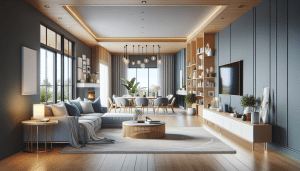
Minimalist home design emphasizes clean lines, open spaces, and a restrained color palette. Interior designers recommend starting with neutral tones like white, gray, and beige to create a foundation of serenity. Natural light, indoor plants, and carefully chosen accent pieces bring warmth without overwhelming the senses. These elements contribute to a visual and emotional sense of calm.
Furniture selection is another priority. Opt for pieces with simple silhouettes that offer comfort and function. Think open shelving rather than closed cabinets, or low-profile couches that encourage relaxation without crowding the space. This method not only supports aesthetic goals but addresses practical concerns, like ease of cleaning and room for movement. The result is a sophisticated, inviting atmosphere that feels larger and more refreshed.
Art and décor choices in a minimalist home should reflect personality while adhering to the less-is-more rule. Select one or two pieces that have special meaning or aesthetic appeal, rather than filling every wall or shelf. Large-scale photographs, abstract paintings, or unique sculptures can serve as conversation starters. The focus is always on creating a harmonious balance between design, function, and personal taste.
The Emotional Benefits of Minimalist Living
One surprising aspect of minimalist living is the positive impact on emotional health. Studies indicate that living in a clutter-free environment can support improved focus, reduced anxiety, and better sleep. The physical act of decluttering may also be therapeutic, as it enables individuals to let go of past associations and embrace present needs (Source: https://www.sleepfoundation.org/bedroom-environment/how-bedroom-environment-affects-sleep).
Minimalism fosters mindful routines. With fewer possessions to manage, daily maintenance becomes easier, leaving more time for hobbies, relaxation, and social connection. Mindful living has been shown to elevate the sense of satisfaction and achievement, especially for people balancing work, family, and personal responsibilities. Homes organized with intention reflect and support this mindful approach.
Minimalist living can also reduce decision exhaustion. When options are limited in closets, kitchens, or workspaces, everyday choices become more straightforward. This streamlining effect extends to other areas of life, improving productivity and freeing up valuable mental energy for other pursuits. In these ways, minimalist living directly contributes to a more positive mood and resilient mindset (Source: https://www.health.harvard.edu/mind-and-mood/the-power-of-decluttering).
Sustainability and Minimalist Lifestyle Choices
Minimalist living pairs naturally with sustainable habits. By purchasing fewer items and choosing high-quality, lasting goods, individuals decrease their environmental impact. Selecting eco-friendly materials—such as bamboo, natural fibers, and non-toxic finishes—helps further reduce exposure to harmful chemicals at home. This synergy supports health and planetary wellbeing.
Minimizing waste is another core principle. Adopting practices such as repairing rather than replacing, repurposing old furniture, or composting food scraps all help reduce landfill contributions. Companies now offer take-back programs for electronics or textiles, making it easier to dispose of items responsibly. For many, these habits create a sense of purpose and pride in their home life (Source: https://www.epa.gov/sustainability).
Managing a minimalist wardrobe—often called a “capsule closet”—allows for creativity and resourcefulness. By carefully curating a small number of essentials that work interchangeably, individuals can dress stylishly without overspending. This approach reduces clutter, saves money, and builds a wardrobe that’s always ready. Sustainability and minimalist values reinforce each other at every turn.
Tips for Starting and Maintaining Minimalist Habits
Begin the transition to minimalist living with small steps. Focus on one category—like books, clothing, or kitchenware—at a time. Schedule regular sessions to sort and evaluate items. Setting clear goals keeps progress on track and avoids overwhelm. Consider documenting your journey through photos or journaling, as visual milestones encourage continued growth.
Maintaining minimalist habits involves setting boundaries for new purchases. Implementing a one-in, one-out policy helps prevent accumulation of unnecessary objects. Before bringing anything new into the home, pause to consider its true purpose and necessity. This habit soon becomes routine, leading to more deliberate, value-driven decisions (Source: https://www.nytimes.com/guides/smarterliving/how-to-declutter-your-home).
Enlist support from family or friends by sharing the minimalist approach. Working together builds accountability and strengthens relationships. Online communities and social groups also offer encouragement, creative ideas, and practical advice. With patience and commitment, any space can gradually become a calming retreat that reflects minimalist values—comfort, utility, and intention at the forefront.
References
1. Duhigg, C. (2015). The Psychological Costs of Clutter. Retrieved from https://www.psychologytoday.com/us/blog/the-clarity/201511/the-psychological-costs-clutter
2. American Psychological Association. (2019). How clutter affects mental health. Retrieved from https://www.apa.org/monitor/2019/01/ce-corner
3. Sleep Foundation. (n.d.). How Bedroom Environment Affects Sleep. Retrieved from https://www.sleepfoundation.org/bedroom-environment/how-bedroom-environment-affects-sleep
4. Harvard Health Publishing. (2020). The power of decluttering. Retrieved from https://www.health.harvard.edu/mind-and-mood/the-power-of-decluttering
5. United States Environmental Protection Agency. (n.d.). Sustainability. Retrieved from https://www.epa.gov/sustainability
6. New York Times. (n.d.). How to Declutter Your Home. Retrieved from https://www.nytimes.com/guides/smarterliving/how-to-declutter-your-home

 What Drives Home Value Increases You’ll See Explained