You May Be Surprised by the Power of Healthy Gut Bacteria
Sophia Clarke September 25, 2025
Discover how maintaining balanced gut bacteria affects not just digestion, but also mood, immunity, and energy levels. This guide explores gut health basics, surprising mental and physical benefits, dietary tips, and expert-backed strategies to promote a thriving microbiome.
Understanding Gut Bacteria and Your Microbiome
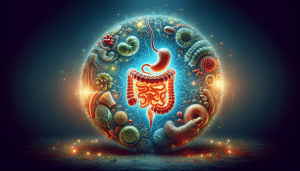
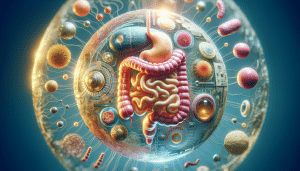
The human digestive tract is home to trillions of microorganisms, often called gut bacteria or the gut microbiome. These microscopic residents work in harmony to break down the food consumed, extract nutrients, and maintain digestive health. Scientists have identified that a diverse and well-balanced gut microbiome does more than just support digestion. In fact, it may be crucial for overall wellness, affecting energy levels, metabolism, and how the body responds to illness.
The composition of gut bacteria is shaped by lifestyle, genetics, medications, and especially dietary choices. While some bacteria help to absorb vitamins and minerals, others can promote inflammation if left unchecked. This dynamic relationship is why many health experts now recommend including prebiotics and probiotics in everyday meals. A thriving gut microbiome contributes certain vitamins, short-chain fatty acids, and anti-inflammatory compounds to help the body stay balanced.
Over the last decade, gut health research has moved beyond its digestive focus. It’s now increasingly linked to immune system strength and even mood regulation. Those who nurture their gut bacteria through fiber-rich diets, regular movement, and minimal antibiotic exposure may benefit from a more resilient body and mind. Building a healthy gut isn’t about a single food or magic supplement, but consistently fostering habits that promote microbial diversity and balance.
The Surprising Connection Between Gut Health and Mental Wellness
Emerging studies have found a fascinating connection between the gut and brain, often referred to as the gut-brain axis. Signals travel both ways through nerves and chemical messengers, suggesting that gut bacteria can subtly influence mental state. Research indicates that imbalances in gut flora may contribute to feelings of anxiety or depression, while a thriving gut can enhance mood stability and cognitive sharpness (Source: Johns Hopkins Medicine).
Certain kinds of gut bacteria are known to produce neurotransmitters, such as serotonin and dopamine, which play key roles in mood regulation. When the composition of the microbiome shifts, these chemicals can be disrupted, which may explain why digestive issues and mental health challenges sometimes occur together. Supporting gut health can help the body naturally fine-tune these neurotransmitter levels, making it a unique avenue for overall emotional wellness.
Practical strategies for supporting both mood and gut health include increasing the intake of fermented foods, high-fiber vegetables, and reducing high-sugar, highly processed foods. Mindful eating practices and stress management techniques can also help keep the gut-brain communication running smoothly. Many people find that as they become more attentive to gut health, both mental clarity and emotional balance subtly improve.
Building Immunity Through a Balanced Microbiome
Human immunity is closely tied to the health of the gut. A large proportion of the immune system actually resides in the digestive tract, communicating constantly with gut bacteria. Studies suggest that a diverse microbiome trains immune cells to distinguish between “friend” and “foe,” making the body more capable of defending against harmful pathogens (Source: National Institutes of Health).
Disrupted gut flora — sometimes caused by antibiotics, illness, or a low-fiber diet — can weaken the gut’s defensive barrier. When this happens, the immune system may become overactive, increasing the chance of allergies, autoimmune issues, or prolonged inflammation. For this reason, maintaining gut health may help reduce the risk of certain chronic inflammatory conditions and promote balanced immune responses throughout life.
Boosting gut bacteria diversity can be as simple as including a wider variety of whole grains, legumes, nuts, fruits, and leafy vegetables in meal planning. Some individuals also choose to supplement with probiotics during or after antibiotic treatments, though it’s important to discuss any significant changes with a healthcare provider. The ongoing dialogue between gut bacteria and immune cells is a reminder that daily choices can have a powerful ripple effect on overall disease resistance.
Everyday Foods That Nurture Healthy Gut Bacteria
A balanced diet rich in fiber is one of the most effective ways to support gut bacteria. Foods like oats, barley, beans, and a rainbow of fruits and vegetables deliver prebiotics that feed beneficial microbes. Certain fermented foods — yogurt, kefir, kimchi, sauerkraut, and miso — add live probiotics and may support microbial variety within the gut (Source: Harvard T.H. Chan School of Public Health).
Minimizing processed foods, added sugars, and artificial sweeteners can make a major difference in gut resilience. These ingredients tend to disrupt bacterial communities, reducing helpful species over time. Replacing them with whole grains, leafy vegetables, and fiber-rich legumes can foster growth of the most beneficial bacterial strains and keep the gut lining robust and healthy.
Those interested in experimenting with gut-friendly eating patterns may explore the Mediterranean diet, which is well-documented for supporting diverse gut bacteria (Source: National Institutes of Health). Meals include olive oil, nuts, fish, beans, and plenty of produce — foods known to fuel a balanced digestive system. Variety is key, so rotating sources of plant-based fiber and incorporating fermented choices regularly gives the microbiome its best shot at thriving.
Potential Signs of Gut Imbalance and What to Do
Physical clues can signal an unbalanced gut. Common signs include persistent bloating, irregular bowel habits, frequent fatigue, and skin breakouts. Mood fluctuations and trouble concentrating may also be connected to shifts in microbial balance. Although these symptoms are often nonspecific, they shouldn’t be ignored, especially if they’ve been ongoing.
Addressing possible gut imbalance starts with dietary changes: increase daily fiber, add fermented foods, and stay well-hydrated. Limiting unnecessary use of antibiotics and prioritizing sleep hygiene can also assist the microbiome in naturally restoring itself. For more persistent or severe symptoms, consulting a healthcare provider may uncover other underlying digestive conditions needing tailored attention (Source: American Gastroenterological Association).
It’s important to note that every individual’s gut bacteria composition is unique. What helps one person may need adjustment for another. Patience and observation are key when making changes for better gut health. Journaling symptoms, energy levels, and dietary choices over several weeks can help to identify positive trends and ensure long-term improvements.
Simple Habits for Lifelong Gut Wellness
Supporting gut health isn’t limited to food alone. Regular physical activity, like brisk walking or cycling, has been shown to encourage microbial diversity. Managing stress through mindfulness, meditation, or yoga can also reduce gut inflammation and foster a healthier digestive environment (Source: National Institutes of Health).
Good sleep hygiene — including consistent sleep and wake times, minimizing late-night screen exposure, and encouraging restful routines — supports overall microbiome stability. Experts recommend aiming for seven to nine hours of quality sleep for most adults. Sleep deprivation can lead to reduced microbial diversity and is linked to disturbances like slow metabolism or low-grade inflammation.
Hydration is another important yet often overlooked aspect of gut wellness. Staying hydrated supports digestion, helps maintain the protective gut barrier, and promotes optimal transit of nutrients and waste. Over time, a holistic routine — balancing diet, movement, stress care, sleep, and hydration — lays a strong foundation for lifelong gut health and overall vitality.
References
1. Johns Hopkins Medicine. The Brain-Gut Connection. Retrieved from https://www.hopkinsmedicine.org/health/wellness-and-prevention/the-brain-gut-connection
2. National Institutes of Health. Gut Microbiota’s Effect on Mental Health. Retrieved from https://www.ncbi.nlm.nih.gov/pmc/articles/PMC5641835/
3. Harvard T.H. Chan School of Public Health. Prebiotics, Probiotics, and Your Health. Retrieved from https://www.hsph.harvard.edu/nutritionsource/prebiotics-probiotics-and-your-health/
4. National Institutes of Health. Mediterranean Diet Effects on the Gut Microbiome. Retrieved from https://www.ncbi.nlm.nih.gov/pmc/articles/PMC6520897/
5. American Gastroenterological Association. Gut Microbiome. Retrieved from https://www.gastro.org/practice-guidance/gi-patient-center/topic/gut-microbiome
6. National Institutes of Health. Exercise and Gut Microbiota: Advances and Perspectives. Retrieved from https://www.ncbi.nlm.nih.gov/pmc/articles/PMC6979306/

 Gardening Techniques That Maximize Seasonal Growth