Wellness Practices That Support Emotional Balance
Sophia Clarke September 25, 2025
In today’s fast-paced world, emotional health has become as important as physical well-being. People are looking for ways to manage stress, reduce anxiety, and maintain stability. One of the most significant shifts in the wellness space is the growing adoption of wellness practices that support emotional balance. These practices are no longer niche. They are integrated into daily routines, workplaces, healthcare systems, and digital platforms, reaching millions worldwide. In this article, we will explore emerging trends in emotional wellness for 2025 and share practical tips that can help you apply them in your everyday life.
Why Emotional Balance Matters in 2025
Modern life brings constant challenges. Economic pressures, social media, and global uncertainty affect people’s ability to stay calm and focused. The American Psychological Association’s Stress in America report (2023) found that nearly three-quarters of adults experience high stress. Harvard Medical School (2024) has also shown that poor emotional regulation is linked to both anxiety and cardiovascular disease. By adopting wellness practices that support emotional balance, individuals can improve resilience, strengthen relationships, and boost overall well-being.
Trend 1: Mindfulness-Based Stress Reduction (MBSR)
Mindfulness is no longer reserved for wellness enthusiasts. In 2025, it is mainstream. Mindfulness-Based Stress Reduction (MBSR), created by Jon Kabat-Zinn, has been shown in clinical studies to reduce stress and improve mood. A meta-analysis in JAMA Psychiatry (2024) confirmed that mindfulness lowers symptoms of anxiety and depression. Companies, schools, and digital apps now offer guided sessions to large audiences. Practical tip: Dedicate ten minutes in the morning to guided meditation. Use simple apps like Calm or Headspace, and focus on consistency over length.
Trend 2: Emotional Fitness as a Trainable Skill
Emotional fitness is now treated like physical fitness. Structured programs help people build self-awareness, empathy, and resilience. Deloitte’s Well-Being at Work report (2024) revealed that organizations offering emotional fitness training saw a 25% increase in engagement. This trend is spreading from workplaces to communities. Practical tip: Keep a daily journal. Write down emotions and stress triggers. This improves awareness and allows you to respond rather than react.
Trend 3: Digital Therapeutics and Emotional Health Apps
Technology is transforming emotional wellness. Digital therapeutics, or evidence-based apps designed to deliver clinical treatments, are now widely used. Tools like Woebot, which uses AI-driven cognitive behavioral therapy, provide support without stigma. The World Economic Forum (2024) listed digital therapeutics as a top innovation in mental health. These tools are popular among younger generations who prefer accessible, private solutions. Practical tip: Try an emotional health app to complement or prepare for professional therapy. They provide helpful support when traditional care feels out of reach.
Trend 4: Somatic Practices for Stress Release
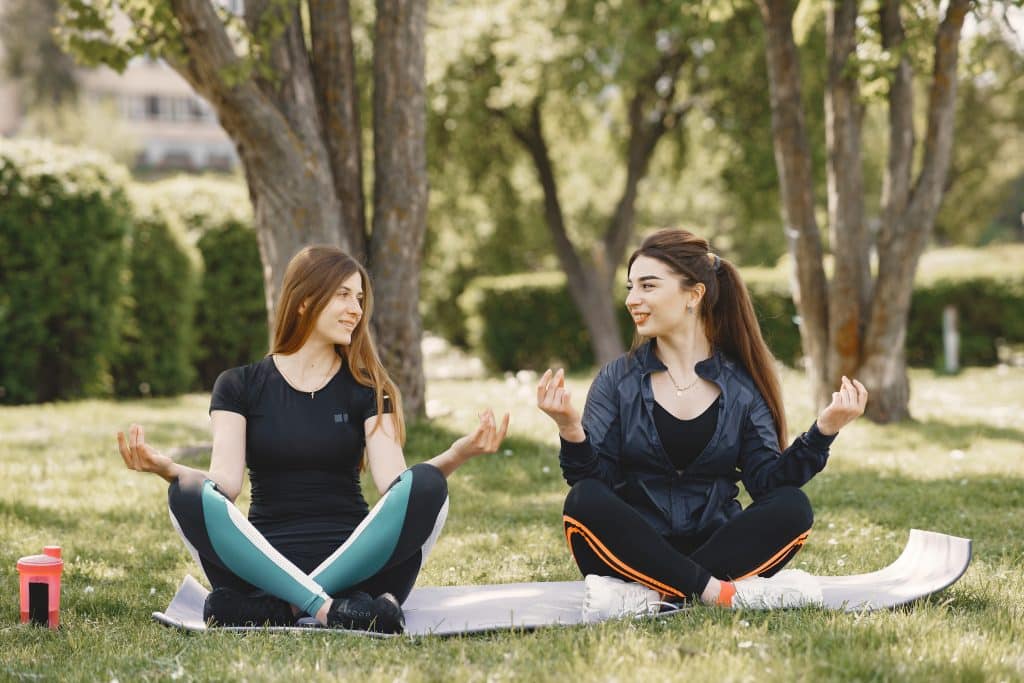
Research shows that emotions affect the body as much as the mind. This has brought somatic practices such as yoga, tai chi, and breathwork into the spotlight. The National Institutes of Health (2023) found that somatic therapies reduce cortisol and improve resilience. Breathwork techniques like box breathing are becoming everyday tools for stress management. Practical tip: Practice box breathing by inhaling for four counts, holding for four, exhaling for four, and pausing for four. This simple method calms the nervous system and improves focus.
Trend 5: Nature-Based Wellness
In 2025, wellness is moving outdoors. Programs built around ecotherapy, forest bathing, and outdoor meditation are growing worldwide. A Frontiers in Psychology (2023) study showed that spending just two hours in green spaces weekly improves mood and reduces stress. The trend reflects a growing awareness of how disconnected lifestyles harm mental health. Practical tip: Schedule time in nature each week. Even short walks in local parks support emotional balance when done regularly.
Trend 6: Workplace Emotional Wellness Integration
Employers are realizing that emotional wellness impacts productivity and retention. PwC’s Employee Wellness Survey (2024) found that 68% of companies plan to expand emotional health benefits. These benefits include therapy access, flexible schedules, and stress-reduction workshops. Companies with stronger wellness programs also see fewer cases of burnout. Practical tip: Take advantage of workplace resources when available. If your employer does not provide them, suggest pilot programs or workshops focused on stress and resilience.
Trend 7: Nutrition and Emotional Balance
What you eat affects how you feel. Nutritional psychiatry explores how diet influences mood and emotional resilience. Research in The Lancet Psychiatry (2024) showed that a healthy gut microbiome supports emotional regulation. Foods high in omega-3 fatty acids, antioxidants, and probiotics play an important role in reducing stress and anxiety. Practical tip: Include foods such as leafy greens, berries, nuts, and fermented vegetables in your diet. They support gut health and improve mood stability.
Trend 8: Social Connection and Community
Loneliness is a growing public health issue. The U.S. Surgeon General (2023) labeled it a global epidemic. Strong connections are now considered central to emotional balance. Both online and offline communities are expanding to provide safe, supportive spaces. Group wellness practices, such as yoga or peer support circles, are effective in building connection and reducing isolation. Practical tip: Join a local class, community group, or online forum dedicated to wellness. Social connections strengthen emotional health and reduce stress.
Practical Guide to Emotional Balance
Here are steps you can take to apply these trends:
- Practice mindfulness meditation for ten minutes daily.
- Write down emotions in a journal to track and manage stress.
- Use an evidence-based emotional health app for extra support.
- Add breathwork or yoga to your weekly routine.
- Spend at least two hours per week in nature.
- Engage with workplace wellness resources or request programs.
- Adjust your diet to include foods that improve gut health.
- Build social connections by joining wellness groups or support circles.
Conclusion: Emotional Wellness as a Daily Practice
In 2025, wellness practices that support emotional balance are no longer optional. They are part of a healthy lifestyle in a world full of pressure and uncertainty. From mindfulness and somatic practices to nutrition and social connection, these approaches give people practical tools to manage stress and improve well-being. By adding these practices into everyday life, individuals can strengthen resilience, protect mental health, and maintain stability in the face of challenges. The future of wellness is not about perfection but about consistent, sustainable actions that nurture both mind and body.
References
- Mindfulness in Mental Health and Psychiatric Disorders of Children and Adolescents: https://pmc.ncbi.nlm.nih.gov
- Effect of mindfulness-based interventions on anxiety, https://www.frontiersin.org
- The effect of mindfulness meditation on depressive symptoms, https://www.nature.com

 Travel Planning Tips That Reduce Stress