Interior Design Ideas That Maximize Space and Comfort
Daniel Hughes September 24, 2025
In cities around the world, living spaces are shrinking, but the need for comfort is greater than ever. For homeowners, renters, and design enthusiasts, adopting interior design ideas that maximize space and comfort has become a top priority. In 2025, the trend toward functional yet stylish interiors is driving innovation in furniture, layouts, and materials. From modular solutions to technology-enhanced design, new approaches are making even the smallest spaces feel spacious, practical, and welcoming. This article explores emerging trends, actionable tips, and research-backed strategies to help you make the most of your home without sacrificing comfort.
Why Maximizing Space and Comfort Matters
The average home size is decreasing in many urban centers due to rising real estate costs and population growth. According to the U.S. Census Bureau, the average square footage of new apartments has dropped by nearly 10% in the past decade. At the same time, hybrid work has blurred the boundaries between personal and professional life, increasing the demand for interiors that serve multiple functions. Balancing practicality with comfort is no longer a luxury—it is a necessity. By applying thoughtful design strategies, homeowners and renters can transform compact spaces into functional sanctuaries.
Key Interior Design Trends for 2025
1. Multi-Functional Furniture
One of the most effective interior design ideas that maximize space and comfort is the use of multi-functional furniture. Think of sofa beds, extendable dining tables, or ottomans with hidden storage. Furniture brands are now creating modular pieces that adapt to changing needs, allowing one item to serve several purposes. For example, wall-mounted desks that fold away when not in use are popular among remote workers who live in small apartments.
2. Open-Concept Layouts with Defined Zones
Open-concept living is still trending, but the focus in 2025 is on creating defined zones within these open layouts. Designers use rugs, furniture placement, and partial dividers to visually separate areas without closing them off completely. This creates a sense of flow while ensuring each zone has a clear function, such as dining, working, or relaxing. Defined zones make compact homes feel organized and comfortable.
3. Minimalist Aesthetics with Warm Accents
Minimalism remains a popular design philosophy, but sterile spaces are no longer appealing. Instead, the 2025 approach emphasizes minimalism with warmth. Neutral palettes are paired with natural textures like wood, linen, and wool to create a cozy atmosphere. By removing clutter while incorporating inviting accents, homeowners can maximize space without sacrificing comfort.
4. Smart Storage Solutions
Efficient storage is the backbone of small-space design. Built-in shelving, under-bed drawers, and vertical storage solutions are growing in popularity. According to Houzz’s 2024 Home Trends Study, homeowners increasingly invest in custom cabinetry and hidden storage features. These solutions not only free up floor space but also reduce visual clutter, creating a calmer environment.
5. Biophilic Design Elements
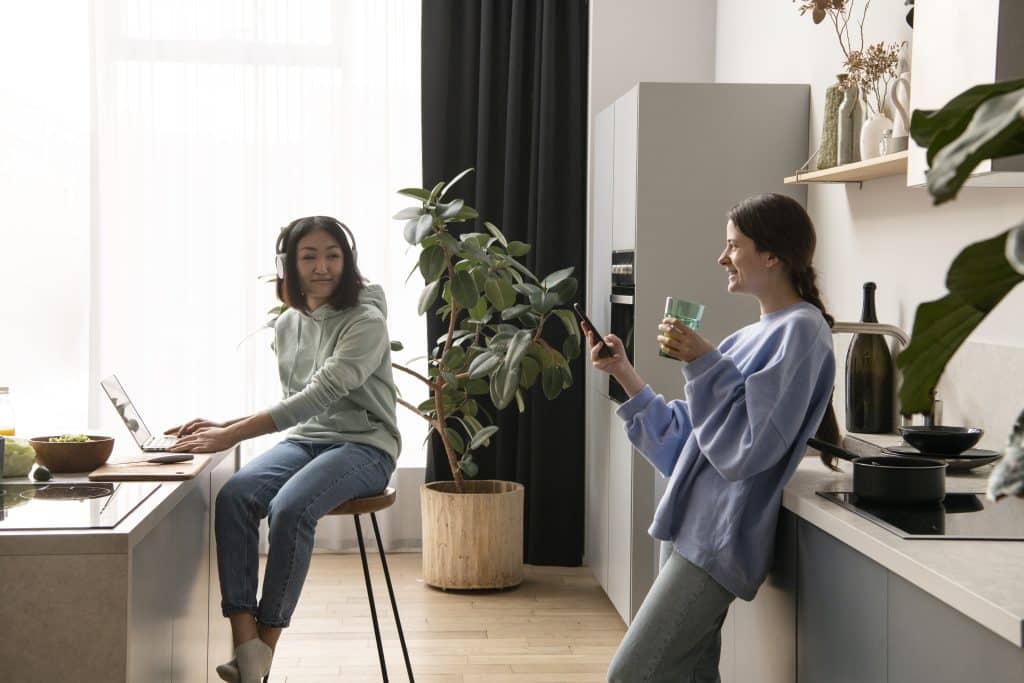
Biophilic design—integrating natural elements into interiors—is gaining momentum. Adding plants, natural light, and organic materials improves air quality and enhances well-being. Research from Frontiers in Psychology shows that exposure to natural elements indoors reduces stress and improves cognitive function. For those with limited space, vertical gardens, hanging planters, or small potted plants can bring the calming effect of nature into the home.
6. Flexible Workspaces
With remote and hybrid work continuing into 2025, creating comfortable home offices is essential. Interior design ideas that maximize space and comfort now prioritize compact yet ergonomic workstations. Foldable desks, rolling office chairs, and soundproof dividers allow professionals to work productively in small environments. When the workday ends, these pieces can be tucked away to maintain a home-like feel.
7. Technology-Integrated Interiors
Smart home technology is blending seamlessly with interior design. Adjustable lighting systems, voice-controlled thermostats, and motorized window treatments improve both comfort and efficiency. For small spaces, smart mirrors that double as entertainment or fitness screens are becoming popular. Technology is no longer an add-on but an integrated part of functional design.
8. Sustainable and Circular Design
Sustainability is reshaping interior design decisions. Consumers increasingly seek furniture made from recycled materials, low-VOC paints, and energy-efficient fixtures. According to Deloitte’s 2024 Consumer Sustainability Report, 62% of homeowners prefer sustainable home upgrades. Choosing eco-friendly options not only benefits the environment but also contributes to healthier, more comfortable living spaces.
Practical Interior Design Ideas That Maximize Space and Comfort
Here are actionable steps to make the most of your living space:
- Use Vertical Space – Install shelves, wall hooks, and tall cabinets to take advantage of unused height.
- Invest in Modular Furniture – Choose pieces that can be reconfigured or serve multiple purposes.
- Declutter Regularly – Adopt a minimalist approach by keeping only items that serve a purpose or bring joy.
- Incorporate Mirrors – Mirrors create the illusion of more space by reflecting light and expanding sightlines.
- Choose Light Colors – Light, neutral palettes make rooms feel larger and more open. Add texture with rugs and cushions for comfort.
- Optimize Lighting – Layer natural and artificial lighting to brighten small spaces. Use dimmers for flexibility.
- Create Multipurpose Rooms – Combine dining and office spaces, or design a guest bedroom that doubles as a playroom.
- Add Greenery – Even small plants can refresh a room and improve air quality.
The Role of Comfort in Small-Space Design
Maximizing space is only half the equation—comfort is what makes a space livable. Comfortable design relies on soft textures, ergonomic furniture, and layouts that support relaxation. For example, layered textiles like throw blankets and cushions make minimalist spaces inviting. Ergonomic seating ensures that small work areas do not compromise health. Comfort also extends to sensory factors like lighting, acoustics, and air quality. By addressing both physical and emotional comfort, designers create homes that feel both functional and welcoming.
Challenges in Small-Space Interior Design
While there are many strategies to maximize space, challenges remain. Small rooms can feel cramped if overfilled with furniture, and open-concept layouts may lack privacy. Budget is another limitation, as custom storage and multi-functional furniture can be costly. However, affordable alternatives like DIY shelving or second-hand modular furniture can provide similar benefits. Success often depends on creativity and the ability to adapt solutions to individual needs.
Looking Ahead: The Future of Interior Design
By 2030, interior design ideas that maximize space and comfort will likely become standard practice in urban living. AI-driven tools may allow homeowners to visualize layouts in real time, while 3D-printed furniture could make customized multi-functional pieces affordable. Sustainability will remain central, with circular design principles influencing material choices and product lifespans. As living spaces continue to shrink, innovation will ensure that comfort is never compromised.
Conclusion
In 2025, the demand for interior design ideas that maximize space and comfort reflects broader lifestyle changes. Rising urban density, hybrid work models, and sustainability concerns are pushing homeowners and renters to rethink their interiors. From multi-functional furniture and biophilic design to smart storage and technology integration, the trends highlight the importance of balancing functionality with well-being. By applying practical strategies and embracing emerging innovations, anyone can transform limited square footage into a space that feels open, comfortable, and stylish.
References
- Houzz identifies 7 emerging trends in 2024 summer report, https://www.furnituretoday.com
- 2024 U.S. Houzz & Home Study: Renovation Trends, https://www.houzz.com
- 2024 Houzz U.S. Emerging Winter Trends Report, https://www.houzz.com

 Fitness Routines That Support Longevity