Fitness Routines That Promote Healthy Aging
Sophia Clarke September 22, 2025
In 2025, more people are realizing that consistent exercise is not just about strength or appearance but about longevity and quality of life. As populations age globally, interest in fitness routines that promote healthy aging has surged. The World Health Organization projects that by 2030, one in six people worldwide will be over the age of 60, making healthy aging a pressing personal and public health priority. Fitness routines designed to support mobility, strength, balance, and cardiovascular health are at the center of this movement, offering a way to maintain independence, cognitive function, and vitality well into later years.
A growing body of research shows how exercise impacts aging at the cellular level. Studies published in journals such as Frontiers in Aging Neuroscience and The Lancet Healthy Longevity highlight that regular physical activity slows age-related muscle decline, reduces the risk of chronic disease, and supports brain health. In response, fitness communities, trainers, and digital platforms are creating programs that emphasize sustainability, adaptability, and accessibility rather than extreme performance. The goal is not to train like athletes but to build routines that allow individuals to thrive at every stage of life.
Why Fitness Matters for Healthy Aging
Fitness is central to aging well because it addresses multiple dimensions of health. Strength training supports muscle mass and bone density, reducing the risk of osteoporosis and fractures. Cardiovascular exercise improves heart health and circulation, lowering the risk of stroke and heart disease. Flexibility routines keep joints mobile, preventing stiffness and injury. Balance exercises reduce the likelihood of falls, one of the leading causes of injury in older adults. Beyond the physical benefits, regular activity boosts mood, improves sleep, and supports cognitive performance, which are all crucial for maintaining independence and quality of life.
Emerging Trends in Fitness Routines That Promote Healthy Aging
1. Functional Fitness for Everyday Movement
In 2025, functional fitness is a major trend, focusing on movements that mimic daily activities like bending, lifting, or climbing stairs. Exercises such as squats, lunges, and push-ups are adapted to support mobility and reduce the risk of injury. Gyms and online platforms now emphasize training for life tasks rather than purely aesthetic goals, making this approach highly accessible for older adults.
2. Strength Training with a Longevity Focus
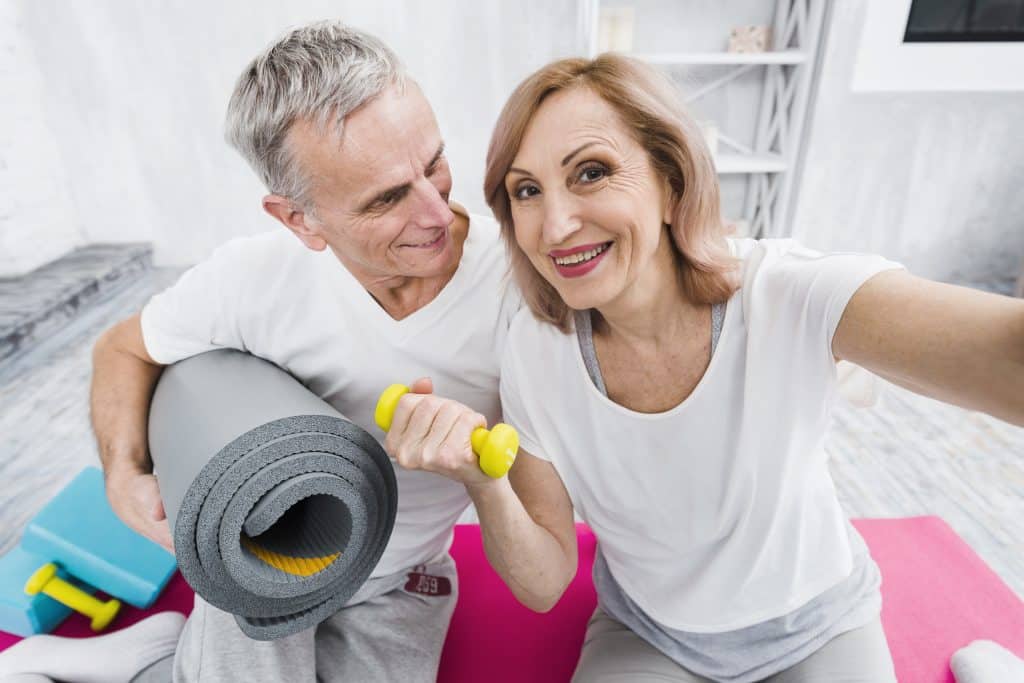
Contrary to outdated beliefs, strength training is not just for young athletes. Recent studies show that resistance training reduces age-related muscle loss (sarcopenia) and improves insulin sensitivity. In 2025, lightweight dumbbells, resistance bands, and bodyweight routines are being integrated into accessible programs that prioritize safety while delivering measurable strength gains. Longevity-focused fitness plans often recommend two to three weekly strength sessions to maintain lean muscle mass.
3. Balance and Stability Workouts
Falls are one of the greatest risks for older adults, but balance training helps mitigate this. Tai chi, yoga, and targeted balance drills are now widely included in routines for healthy aging. Wearables that track balance and stability are gaining popularity, offering feedback on posture and gait. This trend reflects the growing importance of preventing falls before they happen.
4. Cardio with Moderate Intensity
Cardiovascular health is a cornerstone of healthy aging. However, current trends emphasize moderate-intensity cardio such as brisk walking, cycling, or swimming rather than high-intensity regimens. These activities are easier to sustain long term and less likely to cause injury. Interval training tailored for older adults is also popular, providing cardiovascular benefits without excessive strain.
5. Mind-Body Integration
Mind-body practices like yoga, Pilates, and qigong are seeing renewed interest in 2025 because they combine physical movement with mental focus. Research from the Journal of Alternative and Complementary Medicine highlights that such practices reduce stress, improve flexibility, and enhance mental clarity. As mental health becomes a central component of aging well, these routines are valued for their holistic benefits.
6. Digital Fitness Platforms for Older Adults
The pandemic accelerated adoption of digital fitness, and in 2025, platforms specifically tailored for older adults are thriving. Virtual classes focus on safe movements, offer modifications for different abilities, and provide community support. Interactive technologies, including VR-based exercise programs, are making fitness more engaging and adaptable for seniors who may prefer exercising at home.
7. Recovery and Regeneration Practices
Healthy aging fitness trends now include recovery strategies such as mobility drills, stretching routines, and even cold-water therapy. As bodies age, recovery becomes more important, and many programs now dedicate equal focus to exercise and post-exercise care. Foam rolling, guided stretching, and restorative yoga are incorporated into daily routines to support long-term sustainability.
Practical Fitness Routines That Promote Healthy Aging
For individuals seeking approachable routines, here are practical examples:
- Strength training: Two sessions per week using resistance bands or light weights. Focus on compound movements like squats, rows, and overhead presses.
- Cardio: At least 150 minutes of moderate activity per week, such as brisk walking, swimming, or cycling. Break into 30-minute sessions for sustainability.
- Balance work: Practice single-leg stands, heel-to-toe walking, or tai chi for 10 minutes daily.
- Flexibility training: Dedicate 10 to 15 minutes per day to stretching hamstrings, hips, and shoulders. Incorporate yoga poses like downward dog or seated twists.
- Mind-body practices: Add a weekly yoga or Pilates class, either in person or online, to integrate strength, flexibility, and mindfulness.
- Recovery habits: Prioritize 7 to 8 hours of sleep, hydration, and gentle stretching after workouts. Use foam rollers or massage tools for muscle release.
Challenges in Adopting Fitness Routines for Healthy Aging
While interest is high, challenges remain. Many older adults feel intimidated by gyms or lack access to affordable fitness programs. Joint pain, chronic conditions, or injuries can make it harder to start or maintain routines. Motivation is another barrier, especially for individuals not accustomed to regular exercise. Addressing these challenges requires community-based initiatives, accessible online resources, and support from healthcare providers who emphasize the role of exercise in preventive health.
The Future of Fitness for Healthy Aging
Looking forward, fitness routines that promote healthy aging will continue to integrate technology, personalization, and holistic health. AI-driven fitness apps will analyze individual health data to provide customized routines. Wearables will monitor not only steps or heart rate but also balance, mobility, and recovery. Healthcare systems are likely to prescribe exercise more formally, integrating fitness into treatment plans for chronic conditions. Social fitness communities, both online and in-person, will remain vital in sustaining motivation and combating loneliness, another factor that affects aging well.
In conclusion, fitness routines that promote healthy aging are essential in 2025 as people seek to maintain independence, energy, and vitality throughout life. From functional fitness and strength training to balance work, cardio, mind-body integration, and digital platforms, these practices support both physical and mental health. While challenges exist, the growing emphasis on accessibility, recovery, and community ensures that fitness can play a central role in healthy aging for people of all abilities. By adopting consistent and adaptable routines, individuals are not only extending their lifespan but enhancing the quality of their daily lives.
References
- Meta-analysis of the effects of multi-component exercise, https://www.frontiersin.org
- Physical activity, https://www.who.int
- Physical activity knows no age limit, https://www.thelancet.com

 Emerging Trends in Online Learning for Adults