Fitness Techniques That Improve Strength and Flexibility
Sophia Clarke September 22, 2025
The fitness world is evolving quickly, and in 2025 one of the most important changes is the growing popularity of hybrid fitness techniques that improve strength and flexibility together. For many years, people believed these qualities were separate. Strength was trained with heavy weights, while flexibility was developed with yoga, stretching, or mobility exercises. Today, however, a clear trend shows that combining the two produces better results. As more people focus on functional health, recovery, and long-term resilience, hybrid fitness is moving from a niche idea into a mainstream practice. This approach is attractive not only to athletes but also to anyone who wants efficient and well-rounded training.
Strength and flexibility are often misunderstood as competing qualities. Some lifters worry that stretching will weaken their muscles, while some yoga practitioners avoid weights because they fear losing mobility. Yet current research proves that training both together is not only safe but essential. Strength without mobility often creates stiffness, reduced range of motion, and even injury. Flexibility without strength can leave joints unstable and unprotected. By combining the two, the body develops balance, control, and durability. This is why hybrid training methods are becoming such an important fitness trend in 2025.
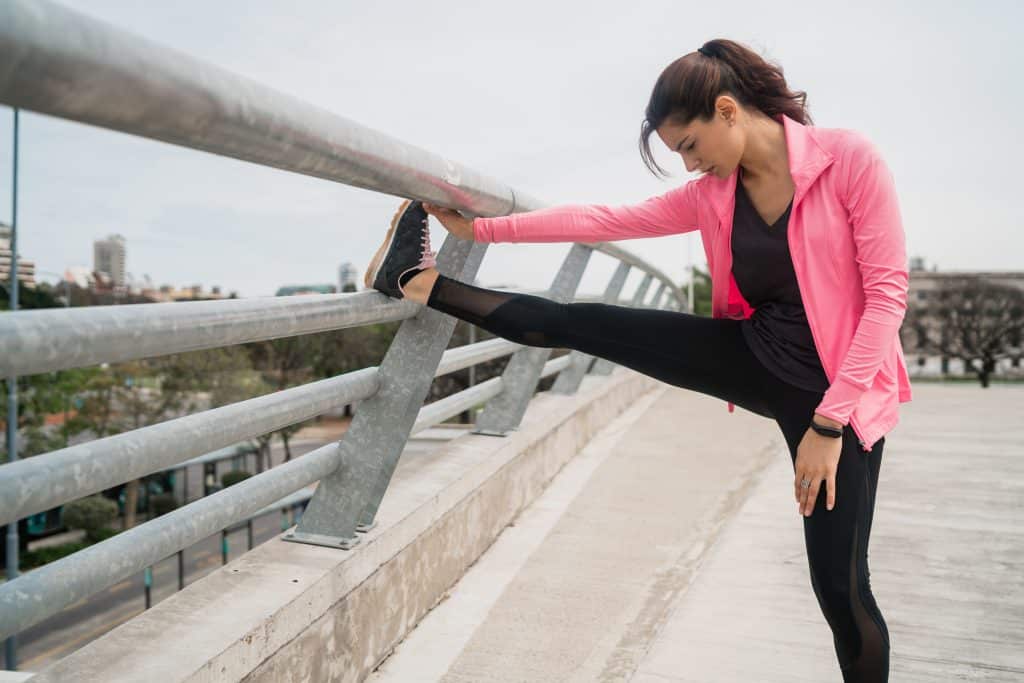
Loaded mobility training is one of the most effective examples. Instead of holding static stretches, you move through ranges of motion while carrying light or moderate weights. A goblet squat performed slowly, for instance, can strengthen the legs while improving hip mobility at the same time. The benefits of loaded mobility include improved joint stability, stronger muscles in end ranges, and more efficient use of training time. Because the movements combine stretching and lifting, they mimic real-world conditions where the body must be strong and mobile at once.
Another rising method is Functional Range Conditioning, or FRC. This approach goes beyond simple flexibility by strengthening tissues and expanding joint capacity. It emphasizes control in extended positions rather than passive stretching. Trainers and therapists are adopting it because it promotes long-term joint health, helps prevent injuries, and works for both beginners and advanced athletes. By practicing controlled articular rotations or isometric holds at end ranges, people gain strength in movements that are often neglected in traditional gym routines. This builds resilience and prepares the body for both athletic performance and daily tasks.
Yoga-strength hybrids are also gaining traction. These classes blend traditional yoga flows with dumbbells, resistance bands, or bodyweight strength work. Instead of practicing yoga alone or lifting weights separately, participants can now enjoy a session that covers both. For example, warrior poses with dumbbells build stability, while resistance-band flows train muscles under tension. Holding yoga postures combined with push-ups or squats challenges endurance, strength, and flexibility together. The result is a workout that feels creative and efficient, appealing to people with busy schedules who still want a complete fitness routine.
Animal Flow and primal movement systems are another area of growth. These workouts use bodyweight exercises inspired by martial arts, gymnastics, and dance. Movements such as the Beast, Crab, or Scorpion involve crawling, balancing, and flowing transitions. They improve coordination, mobility, and core strength while also being fun and dynamic. Because no equipment is required, these programs are accessible to anyone and can be done at home or in a gym. They encourage play and creativity, which makes them more engaging than repetitive machine workouts. As fitness culture shifts toward variety and enjoyment, Animal Flow has become a popular choice.
Pilates has always emphasized alignment, flexibility, and control, but in 2025 it is evolving with the addition of resistance equipment. Bands, bars, and weighted reformer machines are being used to increase strength while maintaining the classic benefits of Pilates. This strengthens stabilizing muscles and improves posture while still promoting flexibility. Many people now use Pilates as active recovery between heavier strength sessions, finding it helps them stay mobile and balanced.
Scientific research supports these hybrid approaches. A 2023 study in the Journal of Strength and Conditioning Research found that people who added loaded mobility to their strength programs improved their range of motion by 25 percent compared to those who used static stretching. A 2024 article in Frontiers in Sports and Active Living highlighted how hybrid training lowered injury risk in recreational athletes by improving both tissue tolerance and neuromuscular control. The American College of Sports Medicine also reported in 2024 that training strength and mobility together leads to greater functional improvements than focusing on either alone. These findings confirm that hybrid training is not just a passing trend but a science-backed evolution in exercise.
For those interested in starting hybrid fitness, practical steps can make the transition easier. Begin with loaded mobility basics such as cossack squats with a kettlebell, Jefferson curls with light weights for hamstring flexibility, and Turkish get-ups for full-body mobility and strength. Incorporate Functional Range Conditioning by using controlled articular rotations during warm-ups and adding isometric holds in end positions. Blend yoga and strength by building sequences that combine sun salutations, weighted squats, and hip-opening poses. Explore Animal Flow by starting with Beast and Crab positions before progressing to more advanced transitions. Use Pilates with resistance bands or weighted bars on recovery days to challenge stabilizing muscles while supporting flexibility.
These techniques are useful for many groups. Athletes benefit from enhanced performance and lower injury risk. Older adults gain joint strength and mobility that help with independence. Busy professionals save time by training both qualities at once. Beginners build safer foundations because mobility and strength are balanced from the start. The versatility of hybrid fitness makes it relevant to nearly everyone.
Looking ahead, hybrid training will likely become the new standard. Digital fitness platforms already stream classes that combine yoga, mobility, and strength into single sessions. Wearable devices are starting to track joint angles and mobility improvements alongside steps and calories. Corporate wellness programs are adopting these workouts because they promote both productivity and long-term health. Gyms are designing programs that prioritize functional strength with mobility as a core element. Beyond trends, this reflects a cultural shift: people are no longer training just for looks, but for resilience, adaptability, and longevity.
In conclusion, fitness techniques that improve strength and flexibility are transforming the way people train in 2025. From loaded mobility and FRC to yoga hybrids, Animal Flow, and modern Pilates, hybrid approaches are proving to be effective, science-backed, and enjoyable. They save time, reduce injuries, and prepare the body for the real demands of life. Most importantly, they show that strength and flexibility are not competing qualities but complementary ones. By training them together, anyone can build a body that is powerful, adaptable, and ready for the future.
References
- Impact of the deep squat on articular knee joint structures, https://www.frontiersin.org
- Application of mobility training methods in sporting populations: https://www.tandfonline.com
- Resistance Training Induces Improvements in Range of Motion: https://pmc.ncbi.nlm.nih.gov

 Travel Destinations That Offer Adventure and Relaxation