Why Gut Health Might Influence More Than You Think
Sophia Clarke November 27, 2025
Discover the hidden impact of gut health on whole-body wellness. This article explores how the microbiome affects everything from mood and digestion to immune strength, revealing surprising ways you might nurture balance for optimal vitality.
The Microbiome: Your Inner Ecosystem
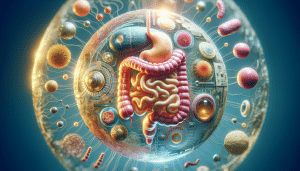
Experts increasingly recognize the vast influence of the gut microbiome on human well-being. Trillions of bacteria, fungi, and other microbes call this environment home, shaping digestion, nutrient absorption, and even mood outcomes. Scientific exploration reveals the delicate balance within this system is crucial; a small shift can affect the body in unexpected ways. For those interested in digestive wellness, understanding how food choices tip the scales can be eye-opening. Research suggests diets rich in dietary fiber, fermented foods, and diverse plant sources help foster a healthy balance, supporting immune function and overall resilience (Source: https://www.nccih.nih.gov/health/probiotics-what-you-need-to-know).
The diversity of the microbiome is notable. Each individual’s gut ecosystem forms uniquely, influenced by genetics, environment, and lifestyle. Babies born vaginally, for example, acquire different baseline microbes compared to those delivered by cesarean section. Over time, diet, antibiotic use, and stress continue to shape this landscape. Some scientists suggest viewing gut health as a living reflection of daily habits. Small incremental changes can alter the composition, possibly affecting conditions like irritable bowel syndrome or mood fluctuations. The idea that “you are what you eat” takes on new dimensions with these findings.
What defines a healthy gut? It isn’t just about avoiding discomfort. A balanced microbiome produces essential vitamins, helps break down complex carbohydrates, and trains the immune system to distinguish friend from foe. When this balance tips, links to diseases like obesity, allergies, and even anxiety have emerged. Microbial richness seems protective, while loss of “good” species can signal trouble. Although not a panacea, nurturing gut diversity becomes part of a proactive health routine—placing everyday choices under a microbiological spotlight.
Gut Health’s Surprising Link to Mood
The phrase “gut feeling” might hold real scientific meaning. Researchers now connect gut bacteria to neurotransmitter production, particularly serotonin—a chemical influencing sleep, mood, and appetite. Almost 90% of the body’s serotonin is manufactured in the gut rather than the brain. Early clinical studies suggest people with depression often exhibit distinct patterns in their gut microbiota, raising curiosity on whether improving gut health could benefit emotional balance (Source: https://www.health.harvard.edu/diseases-and-conditions/the-gut-brain-connection).
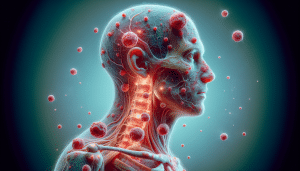
This gut-brain connection is not merely theoretical. Signals travel back and forth along the vagus nerve—a communication superhighway. Changes within the intestinal flora can trigger inflammation, which in turn may affect brain chemistry and behavior. Some experimental interventions using probiotics have shown modest reduction in anxiety and depressive symptoms. These findings don’t promise miracles, but they encourage further exploration. Psychobiotics—a new class of beneficial bacteria—show promise for supporting mental wellness in some individuals.
It’s important to note results vary; gut bacteria profiles differ vastly across people. Many factors shape psychological health, but considering gut wellness as part of a comprehensive approach offers new possibilities. Eating mindfully, managing stress, and including prebiotic fibers (found in foods like onions, garlic, and bananas) might gently shift the microbial environment in positive directions. Many nutritionists recommend focusing on diversity, moderation, and listening to digestive cues to support both body and mind.
The Immune System’s Hidden Ally
The relationship between gut microbiota and the immune system is dynamic and powerful. Over 70% of the immune system is housed within the gastrointestinal tract. Microbial communities play a role in “training” immune cells, teaching them when to ramp up defenses and when to relax. This partnership helps prevent inappropriate inflammatory responses to food or harmless bacteria while remaining vigilant against real threats. Emerging research suggests balanced gut flora can reduce risks of certain autoimmune and allergic diseases (Source: https://www.ncbi.nlm.nih.gov/pmc/articles/PMC5641836/).
When gut balance falters, immune confusion may set in. Conditions such as inflammatory bowel disease and some food sensitivities have been linked to less diverse or “imbalanced” gut populations. Studies examining the effects of probiotics and carefully managed dietary patterns sometimes report improvements in immune tolerance, lower gut inflammation, or fewer allergic reactions. However, results are not universal, and more research continues. The promise of supporting immune resilience through gut health remains a topic of both excitement and caution.
Day-to-day strategies for encouraging immune-gut harmony are accessible. Emphasizing fresh fruits, vegetables, whole grains, and fermented foods supports the microbial ecosystem. Avoiding excessive use of antibiotics, unless prescribed, helps prevent accidental destruction of helpful bacteria. Simple steps—like regular movement, adequate sleep, and reducing processed food—empower both gut and immune system, weaving wellness into daily life.
Everyday Steps for a Happier Gut
Small deliberate changes make a difference. Introducing more plant-based foods expands fiber intake, nourishing “good” bacteria and fostering variety. Beans, legumes, berries, and greens are flavorful choices. Fermented foods—think yogurt, kefir, kimchi, or sauerkraut—add live cultures, introducing friendly species that compete with less helpful microbes. Hydration supports regularity, helping beneficial bacteria thrive. Together, these steps encourage digestive comfort and natural balance.
Stress management is often overlooked but critical for gut wellness. Prolonged stress can disrupt digestive motility and alter the microbial environment—sometimes reducing diversity and favoring species that thrive in high-cortisol settings. Techniques like deep breathing, meditation, or moderate exercise demonstrate positive effects on gut function. Mind-body practices are now being examined for their potential to alleviate digestive symptoms, making holistic self-care more relevant than ever.
Consistency wins the day. Sudden drastic changes in diet or lifestyle may trigger temporary discomfort. Instead, gradual shifts are generally better tolerated. For some, keeping a food and mood journal helps identify patterns between eating habits and digestive changes. Consulting a registered dietitian specializing in gut health can clarify food sensitivities and help tailor approaches to unique needs (Source: https://www.eatright.org/health/wellness/digestive-health/how-to-feed-your-gut-bugs).
Gut Health in Special Populations
Certain groups experience unique challenges with gut health. Infants, older adults, and those recovering from major illness often show changes in microbial diversity. For infants, breastfeeding, when possible, can help establish a robust microbiome that may protect against future illness. In seniors, declining microbial diversity is sometimes linked to frailty. Proactive steps—like varied diets, safe probiotics, and reduced exposure to unnecessary antibiotics—may play a supportive role (Source: https://www.nia.nih.gov/news/microbiome-may-be-key-healthy-aging).
People living with chronic digestive conditions, such as inflammatory bowel disease or celiac disease, may require specialized guidance. Imbalances in gut flora can both contribute to and result from these conditions. Medical professionals emphasize safe, supportive approaches—like tailored nutrition and cautious supplementation—while ongoing research investigates new therapeutic avenues. Individualized care is vital, as responses to interventions vary widely.
Gut health is not static—it shifts throughout life, influenced by age, health status, and other factors. Temporary disturbances can often be corrected with conscious lifestyle changes. However, for significant or persistent digestive symptoms, medical evaluation remains the gold standard. Personalized strategies can help restore balance, integrating evidence-based practices with real-world needs.
Exploring Innovation: Fecal Transplants and Novel Therapies
Science occasionally takes unexpected turns. Fecal microbiota transplantation (FMT) has emerged as a promising last-resort intervention for some difficult-to-treat infections, such as recurrent Clostridioides difficile (C. diff). In these cases, introducing healthy bacteria via donor stool can restore balance and resolve symptoms where other treatments fail. While FMT is not a general wellness tool, research is exploring its potential in other gut and metabolic disorders (Source: https://www.cdc.gov/cdiff/what-is.html).
Interest in targeted probiotic strains and prebiotic supplements is rising. Ongoing clinical trials examine whether specific bacteria or fibers can be matched to individual health profiles for optimal effect. While evidence supports certain benefits for digestive complaints and immune support, the science is still developing. Consumers are advised to seek reputable sources and to consult healthcare providers when considering new supplements.
Personalization marks the future of gut health interventions. Genetic sequencing of the microbiome may one day allow truly tailored diets and therapies. For now, foundational practices—diverse diet, stress management, and medical partnership—remain best supported by evidence. Novel therapies add to, rather than replace, these time-tested approaches.
References
1. National Center for Complementary and Integrative Health. (n.d.). Probiotics: What you need to know. Retrieved from https://www.nccih.nih.gov/health/probiotics-what-you-need-to-know
2. Harvard Health Publishing. (n.d.). The gut-brain connection. Retrieved from https://www.health.harvard.edu/diseases-and-conditions/the-gut-brain-connection
3. Belkaid, Y. & Hand, T. W. (2014). Role of the microbiota in immunity and inflammation. Science, 345(6202), 947-950. Retrieved from https://www.ncbi.nlm.nih.gov/pmc/articles/PMC5641836/
4. EatRight Academy of Nutrition and Dietetics. (n.d.). How to feed your gut bugs. Retrieved from https://www.eatright.org/health/wellness/digestive-health/how-to-feed-your-gut-bugs
5. National Institute on Aging. (n.d.). Microbiome may be key to healthy aging. Retrieved from https://www.nia.nih.gov/news/microbiome-may-be-key-healthy-aging
6. Centers for Disease Control and Prevention. (n.d.). What is C. diff? Retrieved from https://www.cdc.gov/cdiff/what-is.html

 The Mindset Shift That Changes Your Financial Future